

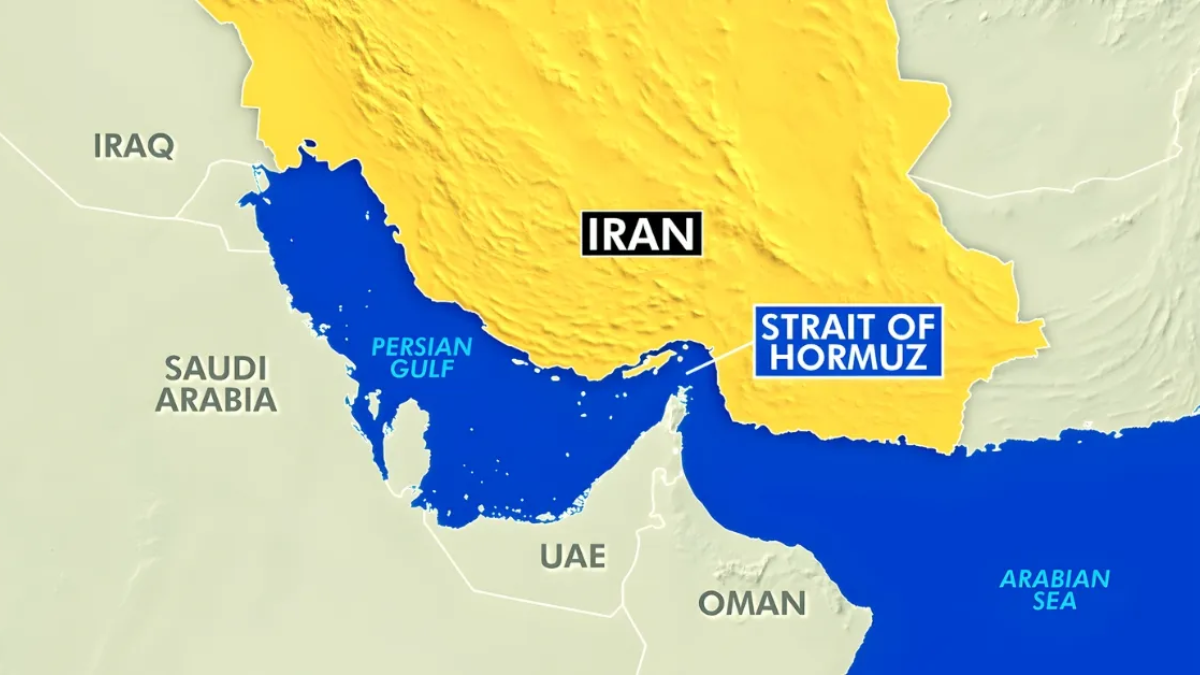
The UK is moving from condemnation to active crisis management over Iran’s blockade of the Strait of Hormuz, with Foreign Secretary Yvette Cooper set to chair a meeting of 35 nations that are trying to restore access to one of the world’s most strategically important shipping lanes. Britain’s position is that Iran’s actions are not only destabilising the Middle East but are also threatening global energy supplies, commercial shipping, and economic stability far beyond the region. The immediate goal of the meeting is to coordinate diplomatic pressure, maritime security planning, and practical steps to reopen the strait, which is critical for oil, gas, and freight traffic moving between the Gulf and the wider world. The broader legal and political issue is that a state blockade of such a chokepoint raises serious questions under international maritime law, freedom of navigation, and the extent to which an international coalition can respond without escalating into direct conflict.
What Britain is doing
Prime Minister Keir Starmer said the UK will host international talks this week on restoring freedom of navigation through the strait, with 35 countries signing a statement to work together on maritime security. Reporting says Cooper will lead the session and that the agenda includes safe passage for trapped ships and crew, plus the resumption of vital commodity flows. That makes the meeting more than symbolic diplomacy. It is an attempt to build a coalition around shipping security, contingency planning, and political pressure on Tehran. The fact that allies such as France, Germany, Italy, and Japan are among the signatories suggests Britain is trying to internationalise the response rather than act alone.
Why Hormuz matters
The Strait of Hormuz is one of the most important energy chokepoints in the world, carrying about a fifth of global oil supplies and a major share of liquefied natural gas. When it is blocked or threatened, the effects spread quickly through shipping insurance, fuel prices, inflation, and airline costs. That is why Cooper has described Iran’s actions as reckless and accused Tehran of holding the global economy hostage. Her language is politically sharp, but it also reflects the legal principle of freedom of navigation, which Britain and its partners say must be protected under international maritime norms. In practice, the issue is not just about oil tankers. It is about whether a state can use a strategic waterway as leverage without triggering a broader international response.
The legal and strategic angle
The immediate legal question is how far the coalition can go without escalation. The meeting reportedly focuses on diplomatic and political measures first, while military planners are expected to examine what can be done after the fighting stops. That suggests the UK is trying to stay within the boundaries of collective security and maritime coordination rather than rushing into confrontation. But the strategic risks are obvious. If the strait remains closed, market disruption will intensify, and pressure will grow for stronger action, including naval escort operations or demining support. If the coalition fails to reopen the route, Britain’s credibility as a maritime power and diplomatic organiser could be questioned. So Cooper’s meeting is best seen as an early test of whether international law, coalition diplomacy, and military planning can work together fast enough to keep a global shipping artery open. If they cannot, the consequences will be felt far beyond the Gulf.