
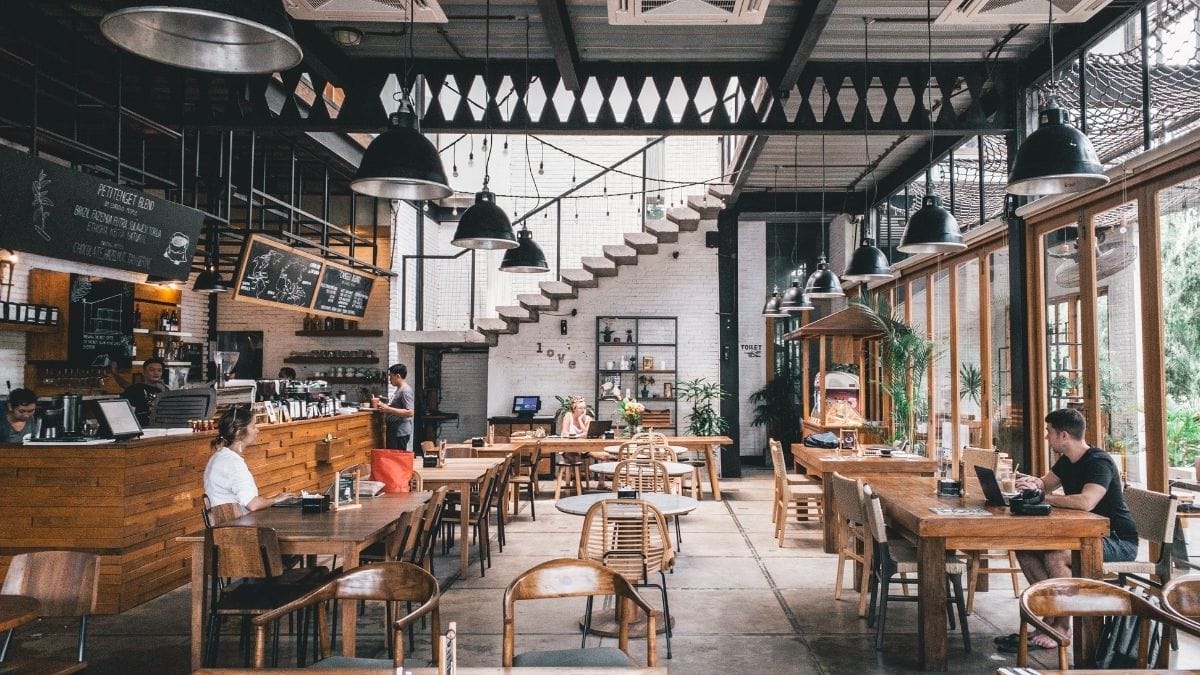
Though not like before, restaurants in the current era remain hands-on businesses. Over time, most businesses have evolved, minimizing contact between businesses and customers. However, in-person interactions and experience are crucial in restaurants and remain irreplaceable. Even with technological innovations, such as TrufflePOS, and the surge of delivery services, especially following the 2020 pandemic, the initial restaurant experience won’t likely fade soon.
However, amidst this, restaurant owners can benefit from the digital revolution affecting other businesses in many ways. Digitizing the restaurant business shouldn’t necessarily take away the in-person contact. Instead, it finds ways of using technology to improve efficiency and maximize profits. Below are the top restaurant digitization practices.
1. Using Modern POS Machines
If you run a restaurant, chances are you receive payments through POS machines. Operating a restaurant without these systems is virtually impossible, unless it’s a food truck or tiny street restaurant. If you’ve been in the business for a while, you understand that POS systems are different.
Currently, there are advanced and digital-forward POS solutions that substantially improve business efficiency. These systems allow businesses to accept multiple payment methods, collect more data, and keep track of online orders and inventory seamlessly.
2. Update Your Accounting Practices
Managing the books of accounts for busy restaurants is challenging. Reviewing thousands of payment records and financial data is time-consuming and quite challenging. Fortunately, you can simplify this process by digitizing everything. Restaurant owners should prioritize the digitization of accounting and bookkeeping by integrating various productivity tools.
Using the right accounting software streamlines various areas of accounting, including invoicing, payments, and management of cash flows. All these can be done digitally using tools that automate processes and provide a clear overview of financial information.
3. Revolutionize File Sharing
A lot of back-and-forth communication is crucial for the success of any restaurant business. You should routinely negotiate with product suppliers, interact with local publications or reviewers, update menus, and maintain other records. While this can be done through emails, this isn’t a conventional method of communication in the current digital era.
Unlike before, where emails were the standard way of sharing files, large files can now be shared with drag-and-drop convenience. Large files, be it new menus, restaurant images, or inventory reports, can be converted into links that others can access instead of downloading files from their emails.
4. Embrace Social Media Marketing
Marketing your restaurant may prove challenging, depending on its location and target market. Previously, local and in-person marketing strategies, such as display signage and word-of-mouth marketing, were very effective. However, you can now reach your audience through various digital marketing methods.
According to Business News Daily, all businesses should have a social media presence. If your business isn’t on social media, you are missing out on an affordable and effective marketing tool most likely used by your competitors. Digital marketing, particularly social media, allows you to connect with customers, share updates, and stay ahead of your competitors.
Endnote
Digitizing your restaurant business shouldn’t necessarily change your interactions with customers. Instead, it should simplify and streamline operations. Digitizing the menus, using on-demand food ordering apps, adopting contactless payments, and cloud kitchens are other impressive ways of making your restaurant tech-compliant.
