

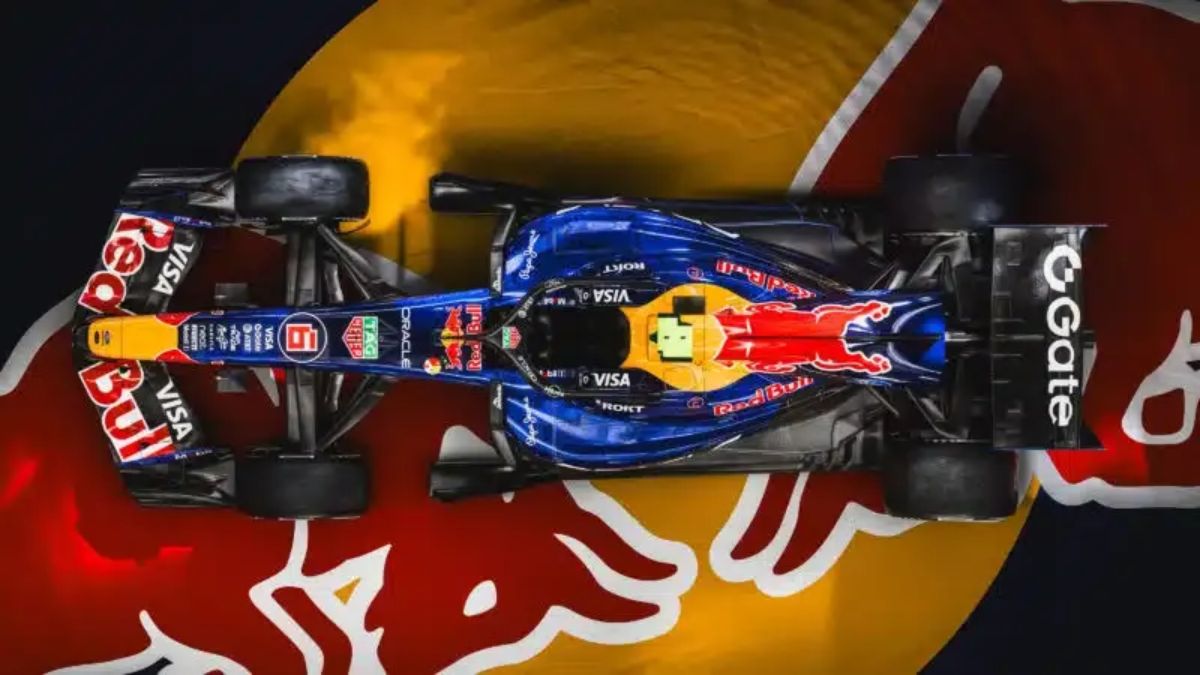
There was a version of the 2026 season that was supposed to go very differently for Red Bull. They were four-time constructors’ champions. They had Max Verstappen. Their infrastructure was world-class. The assumption, even from outside observers, was that the new regulations would hurt them temporarily before their engineering depth dragged them back to the front within a few races.
That has not happened.
Red Bull were among the first teams to master the previous era of ground-effect aerodynamics and dominated the 2022 and 2024 seasons. But those new 2026 regulations literally shake up the order, and the team’s own power unit programme has proven to be a significant vulnerability.
The 2026 rules split engine output 50-50 between the internal combustion engine and electric motor, and the cars have been described as harder to drive, less rewarding, and less predictable, with Verstappen leading a chorus of concern from drivers and team personnel across the paddock. For Red Bull, who are building their own power unit for the first time in partnership with Ford, the learning curve is steep and the timeline for improvement is not yet clear.
On the chassis side, technical analysis has shown that at 795 kilograms, Red Bull’s RB22 sits a full 27 kilograms over the minimum weight, a staggering deficit that translates into a significant on-track penalty. Carrying that kind of extra mass around 22 circuits is not just a performance issue. It is a structural problem that requires significant development work to resolve.
Verstappen’s third-place finish in Canada offered a moment of relief after a difficult start to the season. But third, when you are Max Verstappen and Red Bull, is not where the team belongs, and everyone in the Milton Keynes factory knows it.
The midfield in 2026 is surprisingly tightly packed already, which means points are set to become harder and harder to come by as the season develops. For a team that was previously fighting for wins, finding themselves having to manage midfield traffic is a significant culture shock.
The challenge Red Bull faces in 2026 is not just technical. It is psychological.