
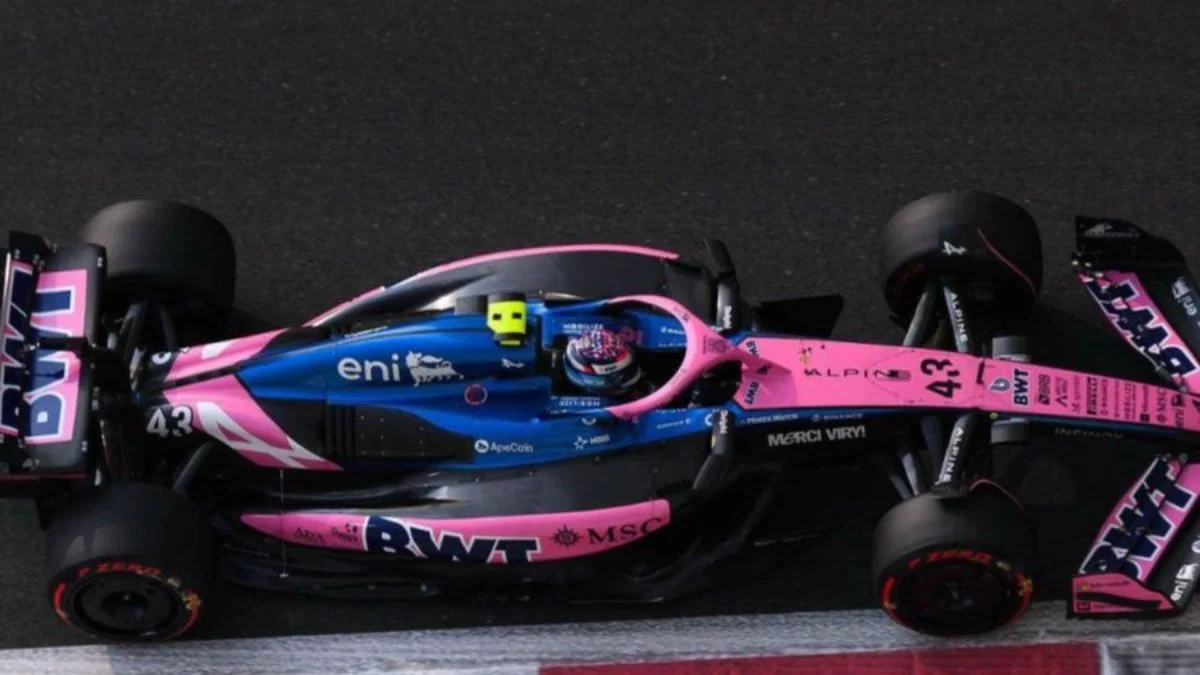
Pierre Gasly was handed a 5-second time penalty on Lap 46 of the Abu Dhabi GP after the FIA ruled that he had exceeded track limits repeatedly, triggering an automatic punishment under Formula 1’s updated enforcement system.
What exactly are track limits?
Track limits refer to the rule that drivers must keep at least one wheel on the racing surface (within the white lines) at all times.
If all four wheels go beyond the line — especially to gain time or avoid a disadvantage — it counts as a violation.
Why was Gasly penalised?
Throughout the race, Gasly was noted multiple times for exceeding track limits at the same corners.
According to FIA procedure:
-
1st offence: warning
-
2nd offence: black-and-white flag
-
3rd offence: referred to stewards
-
4th offence: 5-second penalty
Gasly crossed that threshold after repeated infringements, prompting the stewards to add a 5-second penalty to his race time.
Why does the FIA punish this so strictly?
Track-limit enforcement is meant to:
-
Prevent drivers from gaining an unfair advantage
-
Maintain consistent rules for wheel-to-wheel battles
-
Keep racing safe by avoiding uncontrolled wide exits
In Abu Dhabi, where grip drops quickly off-line, drivers often risk running wide — but Gasly breached the limit enough times to trigger the standard sanction.
Impact on his race
The penalty could significantly affect his final position, especially given how tight the midfield battle has been. A 5-second swing can mean multiple places lost depending on gaps at the finish.
