

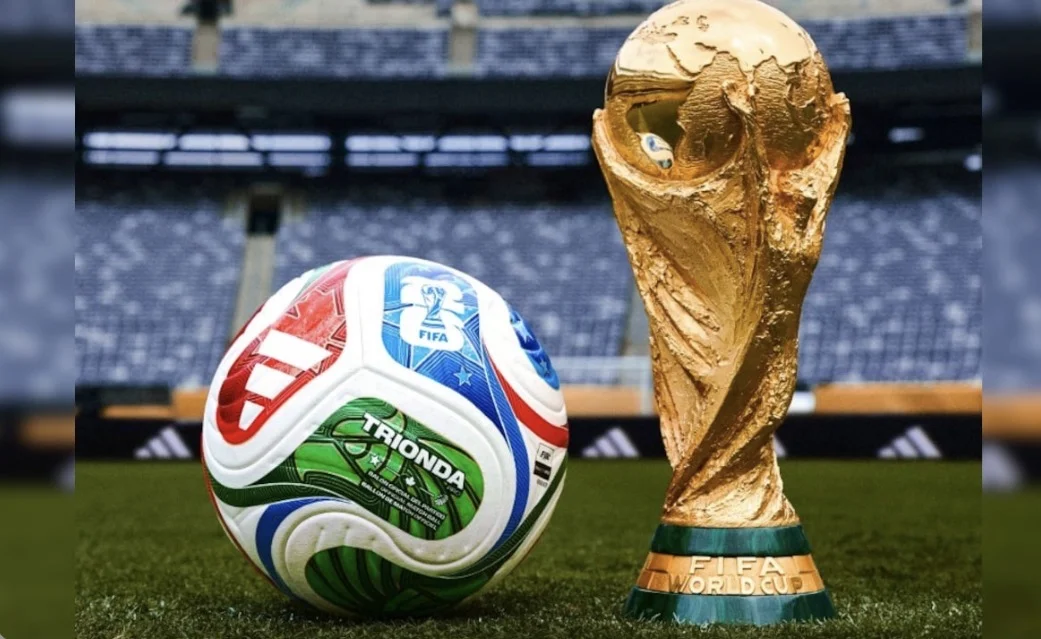
With only five weeks remaining until the FIFA World Cup 2026 kicks off on June 11, millions of football fans in India and China are facing a potential total blackout. Despite the tournament featuring a record 48 teams across North America, FIFA has yet to secure media rights deals in the world’s two most populous nations.
Financial Deadlock in India
In India, negotiations have hit a standstill over a significant valuation gap. The Reliance-Disney joint venture (JioHotstar) reportedly offered $20 million for the 2026 rights—a steep drop from the $60 million paid for the 2022 edition. FIFA is seeking closer to $100 million for a bundle including the 2026 and 2030 cycles.
Industry experts cite several reasons for the low bids:
• Time Zone Challenges: Matches hosted in the US, Canada, and Mexico will air during late-night or early-morning slots in India.
• Commercial Viability: Broadcasters are wary of high costs vs. advertising revenue, especially with the dominance of cricket.
• Lack of Competition: With Sony reportedly bowing out of the bidding process, the Reliance-led venture holds significant negotiating leverage.
Uncertainty in the Chinese Market
China, which accounted for nearly 50% of global digital viewing hours during the 2022 World Cup, also remains without an official broadcaster. Historically, state broadcaster CCTV secures rights months in advance. The current silence is “highly unusual” and leaves little time for setting up broadcast infrastructure or selling advertising inventory.
While FIFA insists that confidential discussions are ongoing, the clock is ticking. If a deal isn’t reached soon, the 2026 World Cup could lose over 2.8 billion potential viewers, marking a historic shift in global sports broadcasting.