
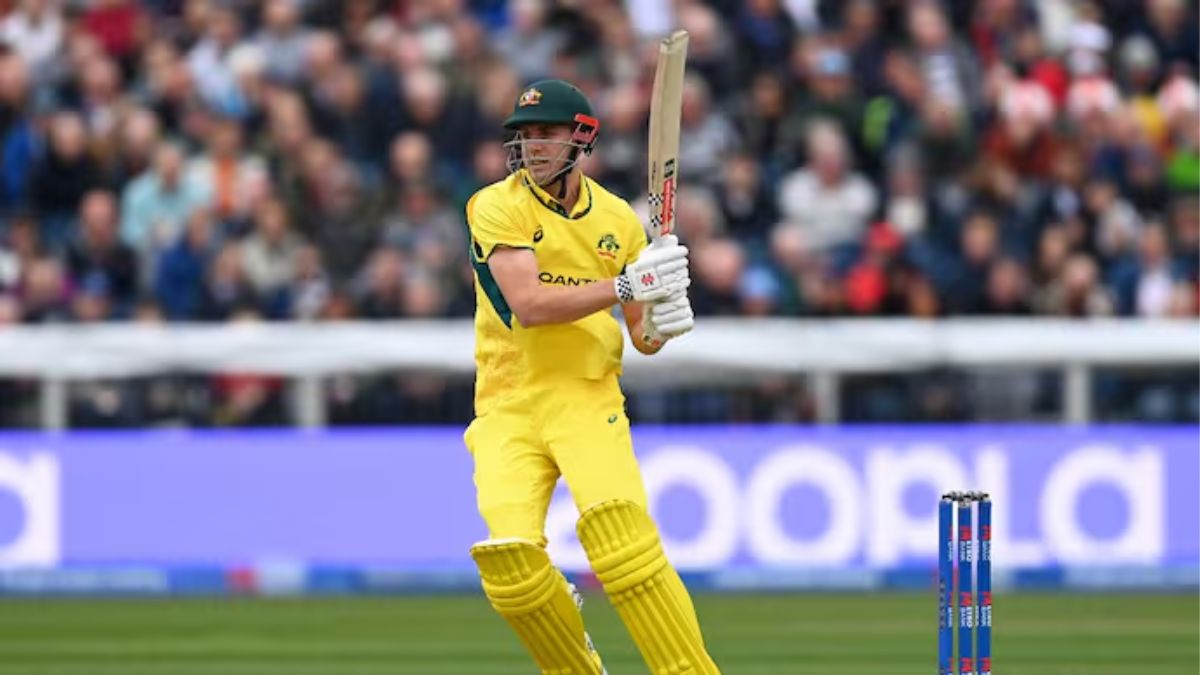
Australian all-rounder Cameron Green created history at the IPL 2026 auction after being sold to Kolkata Knight Riders (KKR) for a record Rs 25.20 crore, making him the most expensive player ever in IPL auction history. However, despite the headline figure, Green will personally earn only Rs 18 crore, not the full auction amount.
Here’s why.
The Rs 18 crore earnings cap explained
Ahead of recent IPL auction cycles, the league clarified that overseas players’ earnings are capped at Rs 18 crore, which is the highest retention price allowed for any player. This rule was introduced to maintain financial parity between Indian and overseas players and to prevent excessive inflation for foreign recruits.
Under this framework, franchises are allowed to bid beyond Rs 18 crore, but the player’s actual salary cannot exceed Rs 18 crore.
What happens to the extra Rs 7.20 crore?
In Cameron Green’s case, although KKR bid Rs 25.20 crore, the excess Rs 7.20 crore will not go to the player. Instead, the surplus amount is taken by the BCCI and allocated towards players’ welfare initiatives. These funds are used for areas such as medical support, insurance coverage, post-retirement assistance, and grassroots cricket development.
Impact on KKR’s auction purse
While Green will receive only Rs 18 crore, KKR’s auction purse is debited by the full Rs 25.20 crore. This means franchises must be extremely cautious while bidding above the cap, as it reduces their remaining budget without increasing the player’s take-home pay.
Presenting Kolkata's all-new GREEN initiative 😉💜 pic.twitter.com/1lBJ7NTNPx
— KolkataKnightRiders (@KKRiders) December 16, 2025
Why franchises still bid beyond the cap
Despite the rule, teams continue to push bids higher for elite overseas players due to:
-
Scarcity of high-impact all-rounders
-
Match-winning ability across formats
-
Strategic importance in squad balance
In summary, Cameron Green’s Rs 25.20 crore sale is an auction record, but Rs 18 crore remains his maximum IPL salary, with the remaining amount redirected to player welfare—making it a historic deal both on and off the field.
