
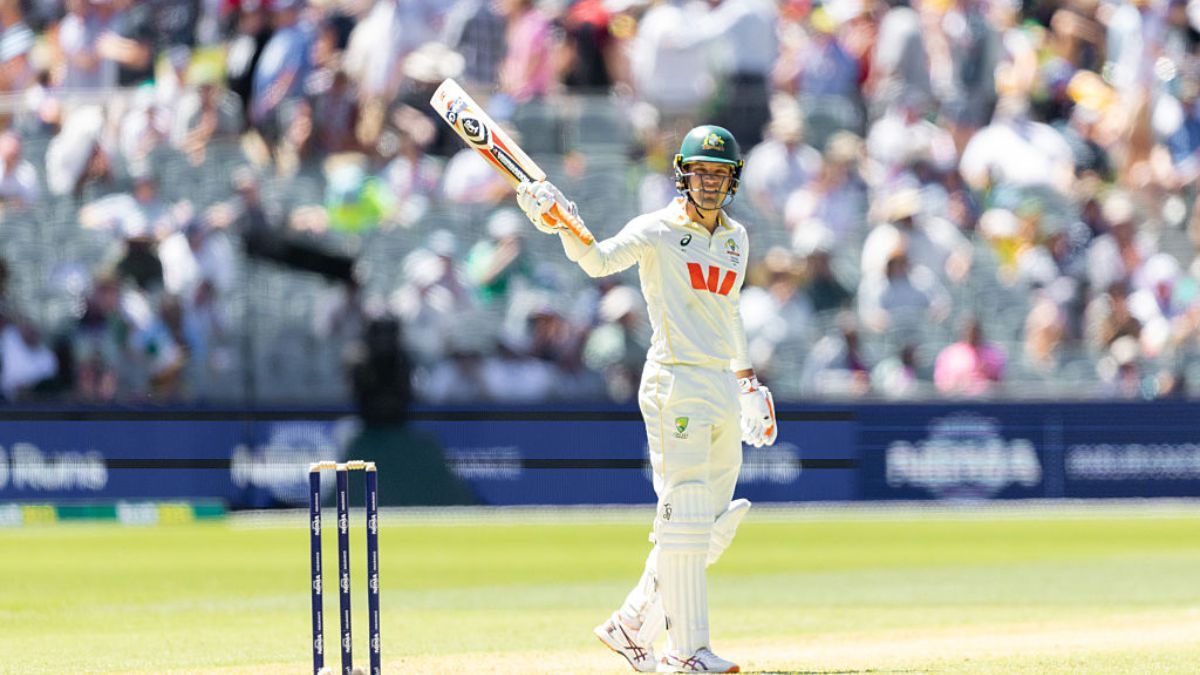
England are preparing to raise an official complaint with match authorities following the Snickometer error that allowed Alex Carey to survive a caught-behind decision on Day 1 of the third Ashes Test in Adelaide — a moment that later proved costly for the visitors.
The controversy centres around Carey’s dismissal chance when he was batting on 72. England appealed for a nick behind off Josh Tongue, and despite strong conviction among the fielding side, the on-field umpire ruled not out. England opted for a review, but Real-Time Snickometer showed a sound spike before the ball reached the bat, leading the third umpire to uphold the original decision.
Carey went on to score a crucial 106, steering Australia to 326 for 8 by stumps.
Technology operator admits error
The situation escalated after BBG Sports, the company responsible for operating the Snickometer, admitted a technical mistake. In a statement, BBG confirmed that the wrong stump microphone — believed to be from the non-striker’s end — had been selected during the review, resulting in incorrect audio alignment.
“BBG Sports takes full responsibility for the error,” the company said, acknowledging that the technology failure directly affected the review outcome.
Adding further weight to England’s grievance, Carey himself admitted post-play that he thought the ball may have brushed his bat.
England frustrated, seeking accountability
England’s fast-bowling coach David Saker revealed the team was convinced Carey had edged the ball and questioned the reliability of the technology used during the series.
“At that stage of the game, it was a pretty important decision,” Saker said. “You’d expect the technology to be good enough to pick that up.”
With DRS being mandatory for World Test Championship matches, England are understood to be considering formal representations to match officials and the ICC, seeking clarity on:
- How the wrong audio feed was selected
- What safeguards are in place to prevent repeat errors
- Whether responsibility lies with the host broadcaster
Why the issue goes beyond one decision
While match results cannot be overturned, England’s concern is not about changing the outcome but about maintaining trust in decision-making systems. The Ashes series, already fiercely contested, has now been drawn into a wider debate about technological reliability and human error within DRS operations.
The incident has also reignited questions over whether teams should be informed when broadcast-side errors occur during reviews — especially when such moments have a direct impact on match momentum.
A defining Ashes flashpoint
Carey’s century, combined with the admitted Snickometer mistake, has made this episode one of the most controversial DRS moments in recent Ashes history. England’s move to raise the issue officially underlines how seriously they view the error — not just as bad luck, but as a systemic failure that demands answers.
As the series continues, the Snickometer controversy is likely to remain a major talking point, with England determined to ensure greater transparency and accountability going forward.
