
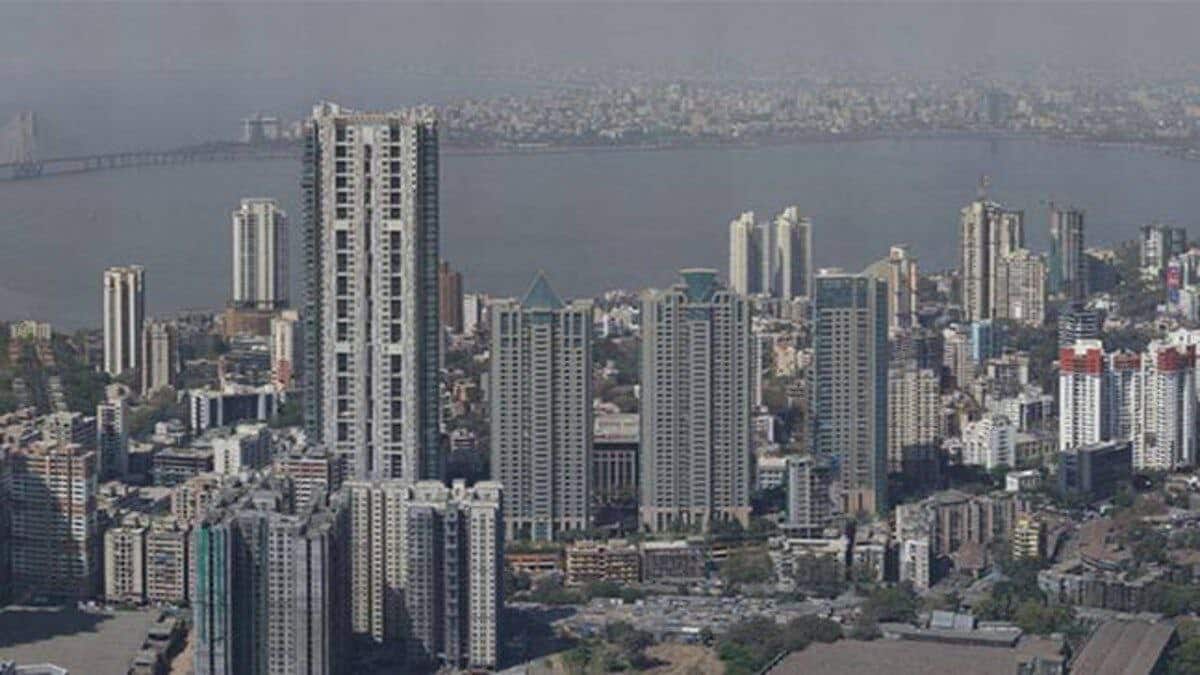
Spending of over Rs 5 lakh crore is being witnessed by India’s financial capital, Mumbai over upgrades. Large infrastructure projects worth Rs 5 lakh crore are being planned for its completion over next 3-7 years boosting connectivity within India’s financial capital, Mumbai. These include metro rails and road connectivity projects.
Four landmark infrastructure projects, worth Rs 82,000 crore are expected to be completed over the next 18 months in Mumbai, providing a long overdue upgrade to India’s largest property market. The Mumbai Trans Harbor Link, Coastal Road, Mumbai Metro Line-3, and Navi Mumbai Airport are in their last phase of execution and are likely to be opened for public usage in the next 12 months. But, suburban property prices may rise as the projects are coming towards its completion, according to Jefferies.
These marquee projects have seen decade-plus timelines, with multiple stop-starts. Over the past few quarters, support from an aligned central and state government on infrastructure has given a push to the city, centre, as well as state.
Other large infrastructure projects, worth Rs 5 lakh crore are being planned for completion over the next 3-7 years, which will boost connectivity within Mumbai. These include metro rails and road connectivity projects. Mumbai Metropolitan Region (MMR) will also be the originating or ending point for some marquee national projects including a new Delhi-Mumbai expressway and the first line of the High-speed rail (bullet train) connecting Ahmedabad with Mumbai.
The outcome of Mumbai’s infra upgrade is partly an improvement in connectivity within the existing city and partly an opening up of larger land for development. The combination of the Trans Harbor link and the new airport opening up by the end of 2024 will significantly improve connectivity to the Extended Eastern suburbs (Navi Mumbai, Panvel, Kalyan/ Dombivli area).
MMR is India’s largest housing market and sees the highest prices in the country. A reduction in commute times and improved accessibility of newer suburbs could drive the prices to probably spread out across MMR.
