
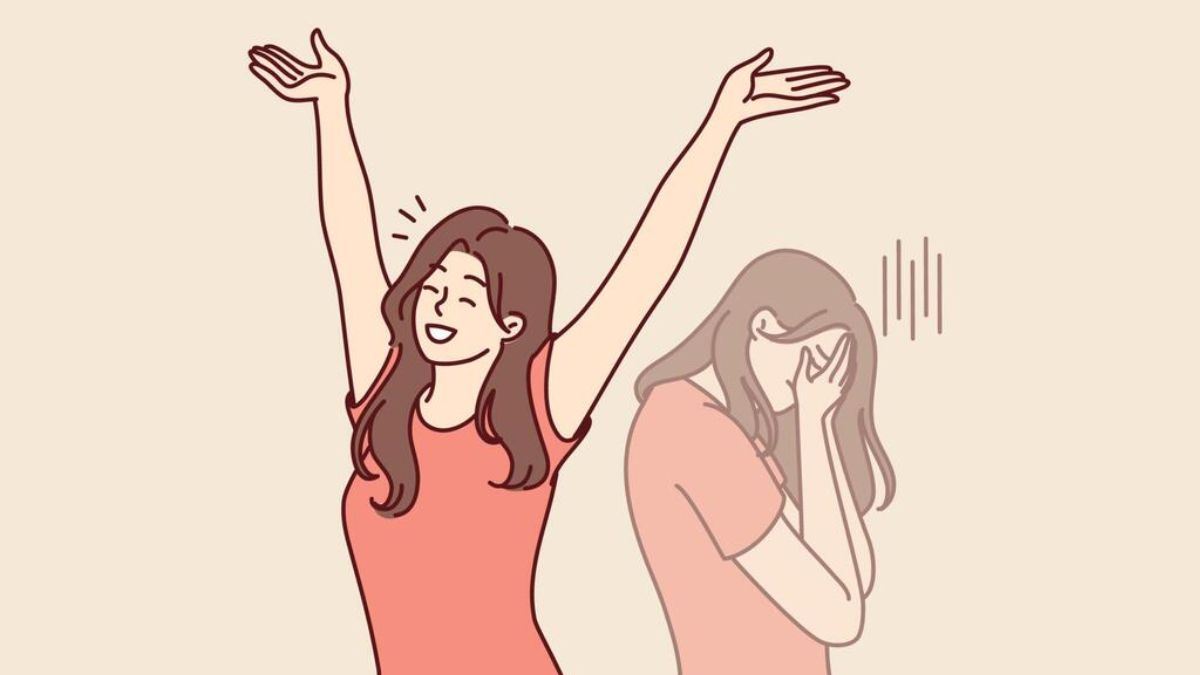
Have you ever breezed through the day feeling relatively okay, only to hit the late afternoon or evening and suddenly feel overwhelmed, sad, irritable, or just emotionally flat? You’re not alone—and it’s not just “in your head.” Sudden mood drops in the evening (sometimes called evening blues or nighttime mood dips) affect a surprising number of people, from those with mild stress to individuals dealing with clinical depression.
While many associate depression with morning lows (a pattern known as diurnal mood variation), the opposite pattern—worse mood in the afternoon or evening—is also widely reported and backed by psychological research. Here’s why these evening mood crashes happen more often than most people realize, and what you can do about them.
1. Your Circadian Rhythm Plays a Bigger Role Than You Think
The body’s internal clock (circadian rhythm) regulates far more than just sleep. It influences hormone release, body temperature, alertness, and even mood stability.
- Cortisol decline: Cortisol, your natural “stress buffer” and energizing hormone, peaks in the early morning to help you wake up and gradually drops throughout the day, reaching low levels in the evening. When cortisol is low, your resilience to stress decreases, making negative emotions feel more intense.
- Melatonin rise: As daylight fades, melatonin production ramps up to prepare you for sleep. While helpful for rest, this shift can amplify feelings of sadness or introspection in some people, especially if circadian rhythms are slightly disrupted by modern life (screen time, irregular schedules, limited natural light).
Research on circadian rhythms and mental health shows that even subtle misalignments—common in evening screen users or shift workers—can make mood more vulnerable at night.
2. Accumulated Fatigue and Decision Fatigue
By evening, you’ve likely burned through hours of mental and physical energy:
- Mental exhaustion: The prefrontal cortex (responsible for emotional regulation and impulse control) fatigues over the day. By evening, it’s harder to “push back” negative thoughts or reframe situations positively.
- Blood sugar and energy dips: Skipping meals, carb-heavy lunches, or caffeine crashes can lead to low energy and irritability in the late afternoon/evening—the classic “hangry” feeling extended to mood.
- End-of-day reflection: With fewer distractions, the mind naturally reviews the day. Unresolved worries, regrets, or “what ifs” surface more easily when you’re tired and winding down.
Many people describe this as “the wall” — everything feels heavier once responsibilities slow.
3. Fewer Distractions = More Room for Negative Thoughts
Daytime often brings structure: work, social interactions, errands, notifications. Evening frequently means quiet time alone.
- In silence, rumination increases. Studies on nighttime depression note that solitude and darkness allow unfiltered negative thinking to dominate.
- Social media or news scrolling in the evening can worsen this by exposing you to upsetting content when emotional defenses are lower.
This “quiet struggle” explains why many feel sadder or more anxious precisely when the day quiets down.
4. It’s a Recognized Pattern in Mood Disorders (But It Happens to Non-Depressed People Too)
Diurnal mood variation is a well-documented symptom in major depressive disorder. While the classic pattern shows improvement as the day progresses, many experience the reverse: mood worsens in the afternoon/evening.
Even without clinical depression, evening mood dips appear in:
- People with high neuroticism or anxiety traits
- Those under chronic stress
- Individuals with irregular sleep or evening chronotypes (“night owls”)
Psychological surveys and studies show evening mood worsening correlates with fatigue, anxiety, and cognitive styles that dwell on negatives when energy is low.
5. Modern Lifestyle Makes It Worse
Artificial light at night, late-night scrolling, irregular meals, high stress, and lack of exercise all disrupt natural rhythms and deplete emotional reserves faster, making evening drops more frequent and intense in today’s world.
How to Handle Evening Mood Drops
If these dips are occasional, simple adjustments often help:
- Build an evening wind-down routine: Light exercise, journaling, reading, or a relaxing hobby instead of screens.
- Eat balanced evening meals: Include protein and complex carbs to stabilize blood sugar.
- Get morning sunlight: Exposure to natural light helps regulate circadian rhythms and boosts daytime mood resilience.
- Limit evening stimulants: Cut caffeine after midday and reduce intense news/social media after 8 PM.
- Practice self-compassion: Remind yourself that feeling low in the evening is a common biological response—not a personal failure.
- Seek help if needed: If evening mood drops are severe, persistent, or accompanied by hopelessness, talk to a therapist or doctor. They may signal underlying depression, anxiety, or circadian issues that benefit from professional support (e.g., CBT, light therapy, or medication).
Sudden evening mood drops are far more common than most people admit. Understanding the mix of biology, fatigue, and modern habits behind them can reduce self-blame and open the door to practical relief. The next time the evening blues hit, remember: it’s often your brain and body signaling the end of a high-demand day—not a sign that something is permanently wrong with you.
