
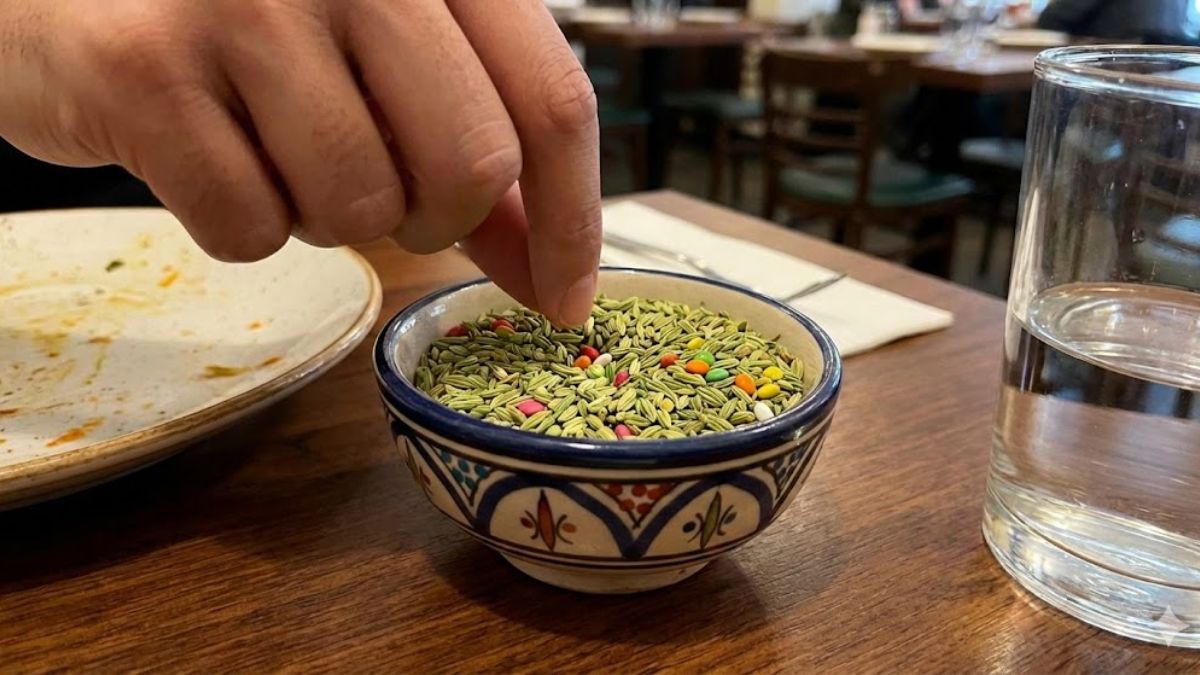
If you have ever visited an Indian restaurant, you have likely encountered a small bowl of green seeds—sometimes plain, sometimes candy-coated—placed by the exit. These are fennel seeds (saunf), and grabbing a pinch on the way out is a centuries-old tradition meant to freshen breath and settle the stomach.
But is this practice merely a cultural habit, or does science back the claim that these tiny seeds actually help digestion?
The short answer is yes. Fennel seeds are a powerful functional food with compounds specifically suited to soothing the digestive tract after a meal.
The Magic Ingredient: Anethole
The primary reason fennel works lies in its essential oils. Fennel seeds are rich in volatile compounds, the most significant of which is anethole.
Anethole gives fennel its distinct licorice-like flavor and aroma, but it also acts as a potent antispasmodic agent. Digestion involves waves of muscle contractions along the gastrointestinal tract. Sometimes, these muscles can tense up or spasm, leading to cramping, pain, and indigestion. The compounds in fennel help relax the smooth muscles of the intestines, reducing cramping and allowing food to move more easily.
Combating Bloating and Gas
Perhaps the most well-known benefit of fennel is its role as a carminative. A carminative is a herb or substance that prevents the formation of gas in the gastrointestinal tract or facilitates the expulsion of existing gas.
Heavy meals, oily foods, or certain vegetables can lead to uncomfortable bloating and trapped wind. Chewing fennel seeds helps break down the gas bubbles that cause this pressure. Studies have shown fennel to be effective enough that extracts of the seed are often used in natural remedies for infant colic to relieve painful gas.
Jumpstarting the Digestive Process
The benefits begin the moment you put the seeds in your mouth. Chewing the fibrous seeds stimulates the salivary glands. Saliva contains enzymes that begin breaking down carbohydrates before food even reaches your stomach. By increasing saliva flow, fennel helps prepare the digestive system for the work ahead.
Furthermore, the essential oils present in the seeds can stimulate the secretion of gastric juices and bile, which are necessary for breaking down fats and proteins efficiently.
A Bonus: Nature’s Mouthwash
While the focus is on the stomach, the secondary benefit is undeniable. The antibacterial properties of fennel’s essential oils help fight the bacteria in the mouth that cause bad breath (halitosis), leaving you feeling refreshed after flavorful or spicy food.
Chewing a teaspoon of fennel seeds after eating isn’t just an old wives’ tale. It is a simple, natural, and effective way to support your digestive system. By relaxing intestinal muscles and reducing gas, this ancient spice provides a modern solution to post-meal discomfort.
Image Caption: A close-up of raw and roasted fennel seeds, traditionally chewed after meals to aid digestion and freshen breath.
Disclaimer: The information provided in this article is for educational purposes only and is not intended as medical advice, diagnosis, or treatment. While fennel seeds are generally considered safe for most people when consumed in culinary amounts (such as a pinch after a meal), highly concentrated fennel supplements or oils may not be suitable for everyone, particularly pregnant women or individuals with certain hormone-sensitive conditions. Always consult with a qualified healthcare provider before using herbal remedies medically or making significant changes to your diet.
