
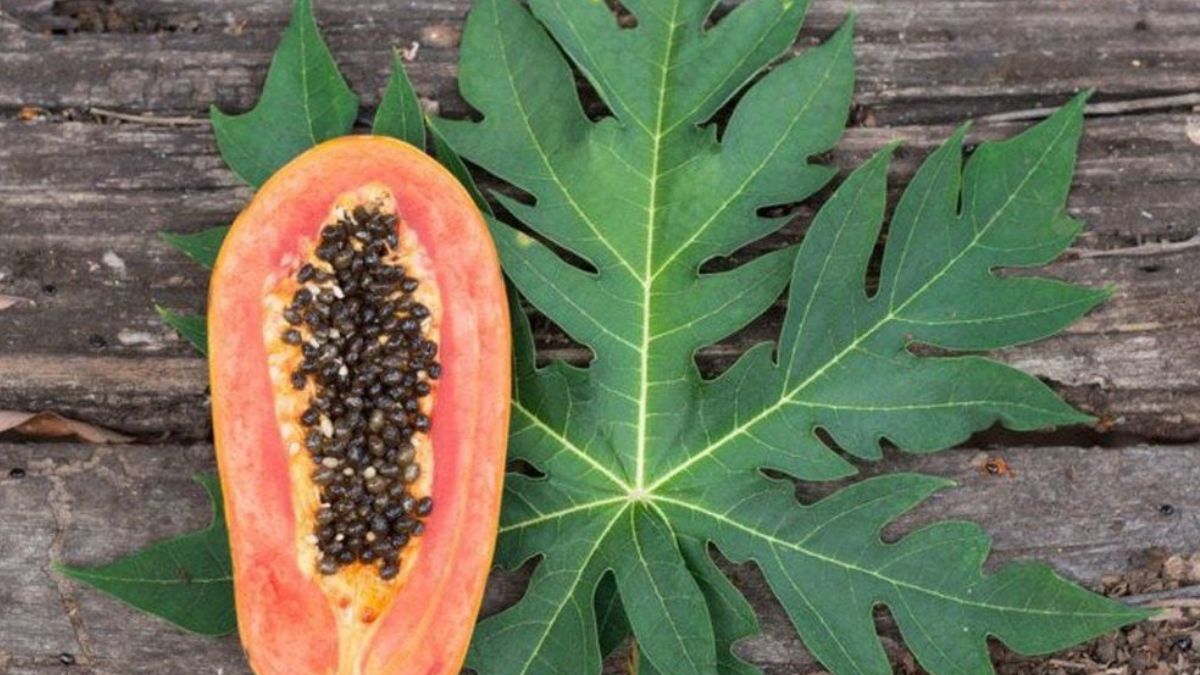
Dengue fever is a viral infection transmitted by Aedes mosquitoes, common in tropical regions like India. One of its hallmark symptoms is thrombocytopenia — a significant drop in platelet count — which can lead to bleeding risks and complications in severe cases. While there’s no specific antiviral treatment for dengue, supportive care like hydration and monitoring is key. Amid this, papaya leaf juice (from Carica papaya leaves) has gained popularity as a home remedy to boost platelet levels quickly.
But does science support this claim? Let’s examine the evidence on whether papaya leaf juice truly helps increase platelet count in dengue patients.
What Makes Papaya Leaf Juice a Popular Remedy?
Papaya leaves contain bioactive compounds like carpaine, flavonoids, alkaloids, and phenolic acids. These are thought to:
- Stimulate platelet production.
- Reduce inflammation.
- Inhibit excessive platelet aggregation.
- Possibly modulate immune responses during infection.
In dengue-endemic areas, people often prepare fresh papaya leaf juice (typically 20-30 ml twice daily from young leaves) alongside standard medical care.
Scientific Evidence from Studies
Research on papaya leaf juice/extract for dengue thrombocytopenia includes clinical trials, case reports, and reviews. Results are mixed but lean positive in many cases.
Several randomized controlled trials show promising results:
- A well-known Malaysian study (2013) with 228 patients found that papaya leaf juice significantly accelerated platelet recovery compared to controls, with notable increases after 40-48 hours.
- Other trials in India and elsewhere reported faster platelet rises, reduced hospital stays, and no major side effects when using papaya leaf extract capsules or juice.
Some meta-analyses and systematic reviews (pooling data from multiple studies) conclude that papaya leaf extract is associated with higher platelet counts and shorter hospitalization. For instance, one review highlighted consistent platelet improvements across trials, while another noted benefits in severe cases (platelets ≤30,000/μL).
However, not all studies agree:
- A few trials found no significant effect on platelet counts.
- Some experts and reviews point out limitations like small sample sizes, open-label designs (risk of bias), and inconsistent dosing.
- A 2019 systematic review and meta-analysis emphasized that while platelet increases occur, evidence is insufficient for strong recommendations, as clinical outcomes like reduced bleeding or mortality aren’t clearly proven.
Recent publications (up to 2024-2025) continue to explore mechanisms and call for larger, high-quality trials. No major health authority like WHO endorses it as standard treatment, viewing it as complementary at best.
Overall, many studies suggest papaya leaf juice can help increase platelet count faster in dengue, but it’s not a miracle cure or substitute for medical care.
How to Use Papaya Leaf Juice (If Considering It)
If your doctor approves it as an adjunct:
- Use fresh, young leaves (avoid stems).
- Wash thoroughly, blend 2-3 leaves with water, strain, and consume 20-30 ml twice daily.
- Duration: Typically 3-5 days or until platelets improve.
- Always combine with proper hydration, rest, and medical monitoring.
Caution: It can taste bitter and cause mild stomach upset in some. Avoid in pregnancy or if allergic. Never rely solely on it — severe dengue requires hospital care.
Does It Really Work?
Papaya leaf juice appears to offer supportive benefits in raising platelet counts during dengue fever, backed by several clinical studies showing faster recovery compared to standard care alone. However, evidence isn’t unanimous, and more rigorous large-scale trials are needed for definitive proof.
It’s a low-cost, natural option popular in dengue-prone areas, but consult a doctor before trying it. Focus on proven essentials: early detection, fluids, paracetamol for fever, and avoiding NSAIDs/aspirin.
