
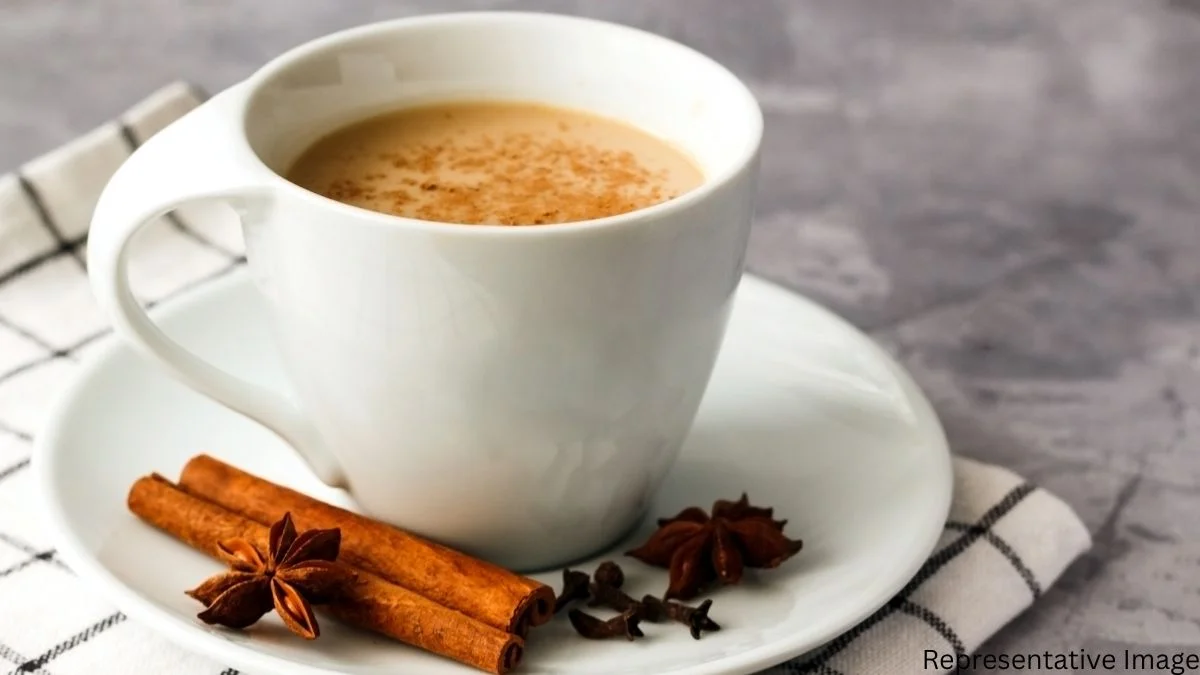
Drinking tea right after meals is a common habit, but research suggests it may interfere with how well your body absorbs iron, particularly iron from plant-based foods. While the effect is not severe for everyone, it can matter for people who already have low iron levels or higher iron requirements.
How iron absorption works in the body
Iron is an essential mineral required for oxygen transport, energy production and immune function. It comes in two forms. Heme iron is found in animal foods such as meat and fish and is absorbed efficiently. Non-heme iron is found in plant foods like legumes, nuts, seeds and whole grains and is absorbed less efficiently.
Most iron absorption occurs in the duodenum, the first part of the small intestine. Certain dietary compounds can bind to iron in the gut and reduce how much of it enters the bloodstream.
The compounds in tea that affect iron absorption
The reduction in iron absorption from tea is not caused by caffeine. Instead, the main contributors are polyphenols, especially tannins. These compounds bind to iron, particularly non-heme iron, forming complexes that the body cannot absorb.
Tannins are responsible for the bitter, astringent taste of tea, coffee and red wine. While they have antioxidant and health benefits, excessive intake around mealtimes can interfere with iron uptake.
Black tea, green tea and iron absorption
Studies consistently show that black tea has a strong inhibitory effect on iron absorption. Research has linked frequent black tea consumption with lower iron stores, especially when tea is strong, brewed longer or consumed in large amounts.
Green tea may also reduce iron absorption, but the effect appears weaker and more inconsistent. This is likely because green tea contains significantly less tannin than black or white tea. As a result, its impact on iron absorption is generally smaller.
Is caffeine responsible for reduced iron absorption?
Caffeine itself does not block iron absorption. In fact, it can reduce levels of hepcidin, a hormone that limits iron absorption when iron stores are sufficient. While lowering hepcidin does not significantly boost iron absorption, caffeine is not the compound responsible for iron inhibition. The effect seen with tea and coffee is driven by tannins, not caffeine.
What about herbal teas?
Herbal teas do not come from the tea plant and therefore usually contain fewer tannins. This means they tend to have little to no effect on iron absorption compared with black or white tea.
That said, some herbal teas contain moderate levels of tannins, especially those with a naturally bitter or astringent taste, such as hibiscus, peppermint, raspberry leaf, rooibos, rosehip and yerba mate. Even so, there is limited research showing that these teas significantly impair iron absorption in real-world settings.
Who is most at risk of iron deficiency?
For most people, drinking tea with meals does not cause iron deficiency. The risk becomes more relevant for individuals who already have low iron stores or higher iron needs. This includes pregnant individuals, people following vegetarian or vegan diets, endurance athletes and those with restrictive eating patterns.
Since non-heme iron makes up the majority of dietary iron intake for many people, especially those on plant-based diets, repeated inhibition of absorption can become meaningful over time.
Practical tips to reduce the impact on iron absorption
If you are concerned about iron levels but enjoy tea or coffee, simple adjustments can help. Waiting at least one hour after meals before drinking tea or coffee significantly reduces their effect on iron absorption. Choosing green tea instead of black or white tea can also help due to its lower tannin content.
For coffee drinkers, darker roasts tend to contain fewer tannins than light roasts. Opting for low-tannin herbal teas such as chamomile or rooibos around meals is another practical option.
The bottom line
Drinking tea immediately after meals can reduce iron absorption, especially non-heme iron from plant foods. The effect is driven by tannins, not caffeine, and is strongest with black and white teas. Green tea and most herbal teas have a smaller impact.
For people with adequate iron intake, this habit is unlikely to cause problems. However, those at risk of iron deficiency may benefit from spacing tea and coffee away from meals or choosing lower-tannin alternatives to support healthy iron levels.
