
Educators engaged in a 21st-century classroom bear many responsibilities. Besides teaching the curricula and upbringing learners, they must also share moral lessons. Another role teachers take is listening and responding to each student’s needs.
Moreover, globalization urges us to develop cultural awareness among children. Thus, teachers must promote diversity and encourage respect regardless of background. One way to stimulate cultural awareness is to read biographies about influential people. These can be local leaders, men and women of courage, conquerors, artists, or prodigies.
This article will show how authentic biographical narratives can benefit educational settings. It will also explain the impact of real-life stories on the well-being of learners.

What Is an Accurate Biography?
Biography is the storyline of the life of a person that lived centuries ago or is still alive. The narrative contains the most impactful moments from the subject’s life. Depending on the lesson, accurate biography essay examples can achieve various purposes. Consider reading about Nelson Mandela, Marie Currie, and Barack Obama. Other examples of biography essay are Beethoven, Frank Sinatra, and Julius Caesar.
Most teachers pick famous figures, but reading about an unsung hero can also be effective. What matters is to ensure the biography triggers discussion, emotion, and reaction. Also, a compelling story will cover the subject’s childhood, adult life, relationships, failures, and successes.
A worthy biography is the result of extensive research. Data sources can be direct or through interviews if the subject is alive. When writing about dead people, biographers use primary sources. In short, they interview friends or family. Historical biographers include accounts from experts in the field.
The Influence of Biography on Learners
Biographies aim to recreate the age the significant figure lived in and transformed. How did the subject change the world? What would it look like today if it wasn’t for this person? The universal lessons taught in biographies make them meaningful reads.
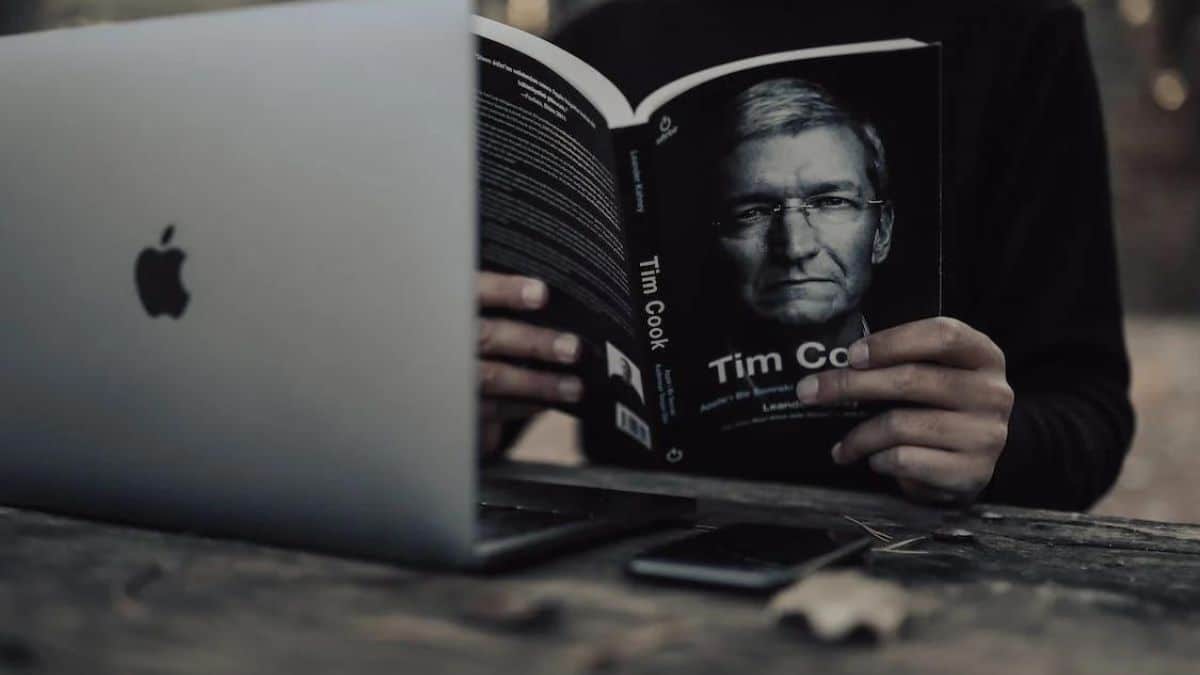
https://www.pexels.com/photo/crop-man-with-laptop-reading-book-3207628/
Broaden Students’ Perspectives
Reading about the ups and downs of a historical figure triggers the mind. When students discuss their responses to the story, they realize there are many sides to it. This way, teachers can promote critical thinking. Moreover, the accomplishments of heroes can inspire students to become daring and persistent. They will learn that success and fame don’t come overnight. It takes hard work, authentic ideas, and skills to lead and get followed.
Foster Empathy
The biography examples mentioned above aim to encourage empathy among learners. We become more compassionate by reliving the challenging times famous figures went through. Plus, we learn to appreciate the present by expressing our feelings and caring about others. After reading the biography, engage the class in activities. These can help pupils be generous and helpful. Being aware of the problems of social class, gender, and race is a step closer to resolving these issues.
Encourage Appreciation of Diverse Cultures and Backgrounds
The key to building successful individuals lies in multicultural education. Hence, a biography of someone who lived in grueling times can urge learners to stand for the underprivileged. Besides appreciating different cultures, students will become advocates for better living conditions. Also, vivid stories will engage students in worlds alien to them and develop strong bonds.
Teach New Experiences
Every book is a new world that opens up new opportunities. So, why not take your students on a journey that reveals an unheard culture or tradition? You’ll instill an adventurous spirit and make your students want to savor what each country offers. As a result, you will encourage them to become open-minded and nonjudgmental.
How Does Cultural Diversity Promote Learning?
Scientists agree that nurturing differences is critical for raising kind-hearted children. Here are the top five perks of taking a multicultural approach through biographies:
- Diverse classrooms enhance learning outcomes for learners;
- Multiculturalism brings new perspectives into the classroom;
- Diversity encourages fruitful discussions;
- Including diversity in the curricula will improve self-efficacy in students;
- Classroom diversity prepares children for the future.
Bottom Line
Using carefully selected teaching tools will help educators foster cultural awareness and inclusion. Future generations must understand the significance of diversity and practice empathy. And what is a better way to teach core values than through historical contexts? Accurate biographies can achieve the teacher’s mission to promote equity among students. Education is the best tool to make this world better and more inclusive.