
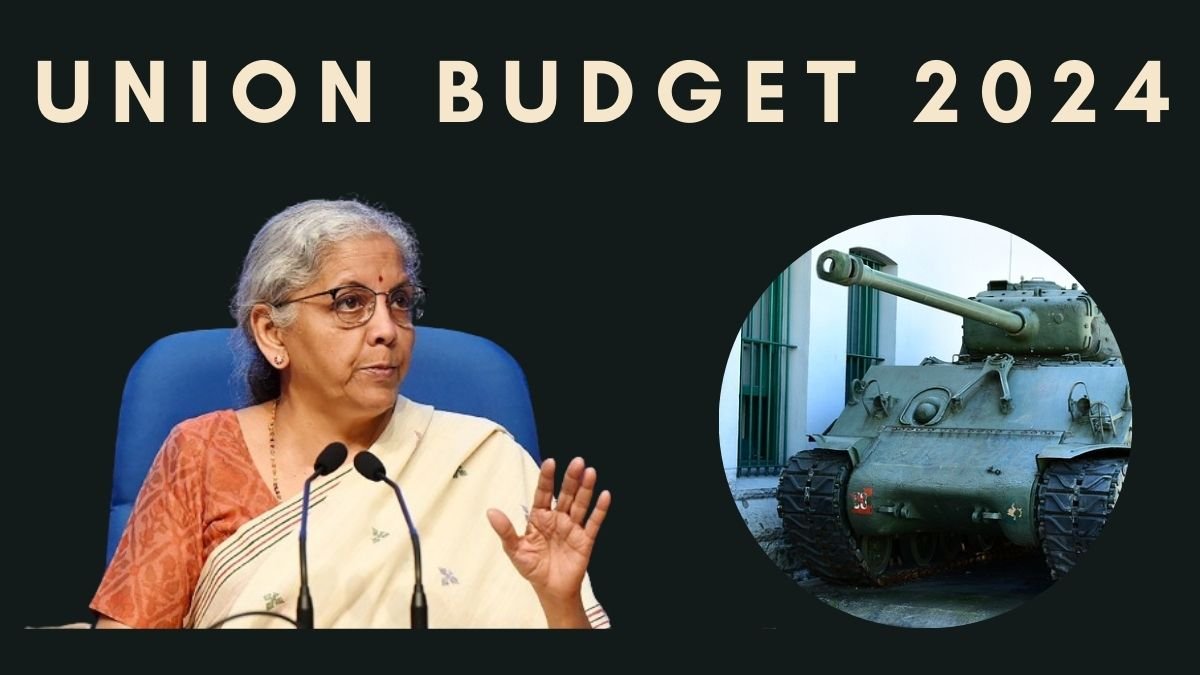
Finance Minister Nirmala Sitharaman announced a reduced allocation of Rs 4.54 lakh crore for the defence sector on July 23, down from Rs 6.21 lakh crore in the Interim Budget. This cut represents a significant change in the defence budget, impacting various components of military spending.
Under the new allocation, approximately 28 percent, or Rs 1.72 lakh crore, is earmarked for capital acquisitions. The revenue expenditure for the Armed Forces, excluding salaries, is set at Rs 92,088 crore. Defence pensions are allocated Rs 1.41 lakh crore. Additionally, Rs 6,500 crore is designated for enhancing border infrastructure, Rs 7,651.80 crore for the Indian Coast Guard, and Rs 23,855 crore for the Defence Research and Development Organisation (DRDO).
Despite an increase of 4.72 percent over the previous fiscal year, the overall defence budget remains below 2 percent of GDP. The capital allocation of Rs 1.72 lakh crore constitutes 27.67 percent of the total defence budget. Experts argue that a modern military typically allocates around 50 percent of its budget to capital expenditure.
The Business Standard recently reported that India’s defence capital acquisition budget needs a 25 percent annual increase over the next five years to meet the ambitious annual defence production target of Rs 3 trillion by FY29. A compound annual growth rate (CAGR) of at least 20 percent and substantial growth in defence exports are essential to achieve this goal.
Union Defence Minister Rajnath Singh has set a target to boost defence exports to over Rs 50,000 crore by FY29, following a record Rs 21,083 crore in the previous fiscal year.
