
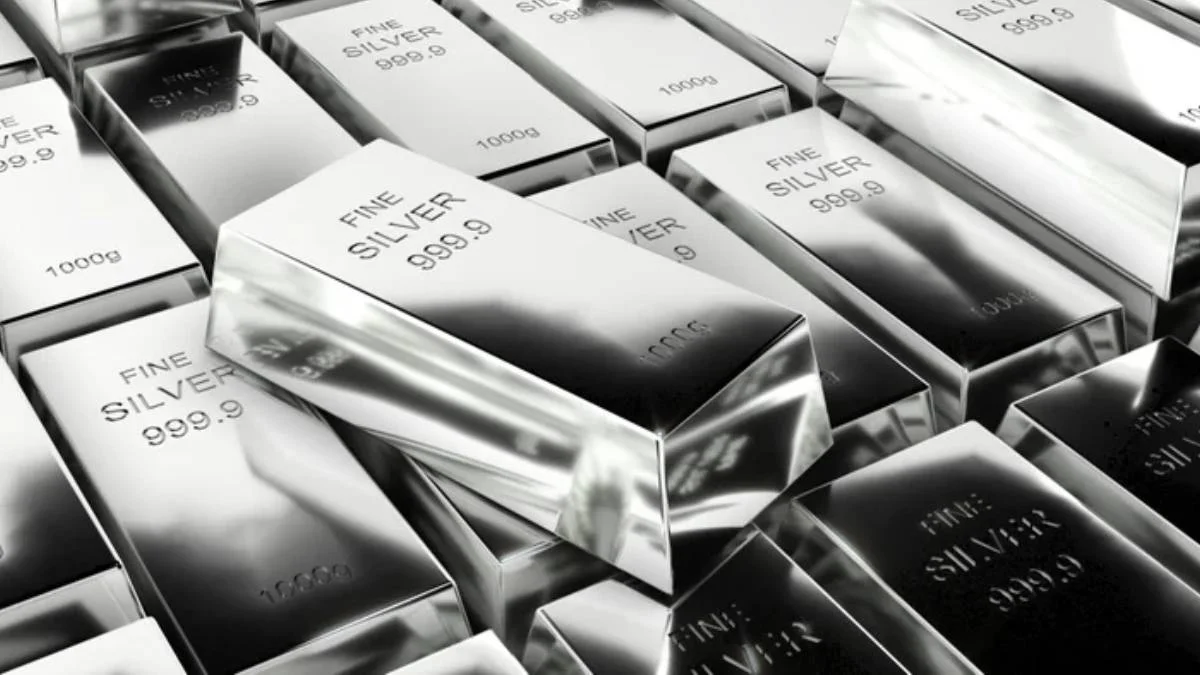
Silver prices on the Multi Commodity Exchange (MCX) witnessed a sharp and sudden correction, crashing from recent highs near ₹4.20 lakh per kg to around ₹3.55 lakh per kg, marking a decline of nearly 15% from the peak in a very short span.
The steep fall came immediately after silver had surged to record highs earlier this week, driven by a powerful global rally, tight supply conditions, and spillover strength from gold. However, the rally proved unsustainable in the near term, triggering a swift reversal.
Profit booking after a parabolic rally
Silver prices had risen sharply over a few sessions, moving almost vertically and far ahead of short-term fundamentals. After touching all-time highs, traders began locking in profits, leading to heavy selling pressure across MCX contracts.
Cooling global silver prices
International silver prices, which had surged close to the $120 per ounce mark, showed signs of consolidation and mild pullback. Since MCX silver had been trading at a steep premium to global benchmarks, even a modest correction overseas resulted in an outsized decline in domestic futures.
Unwinding of India’s elevated premium
Data indicated that Indian silver prices were trading at one of the highest premiums over COMEX and LBMA prices in recent years, exceeding 16% at peak levels. As global prices stabilised, this premium began to compress rapidly, accelerating the fall on MCX.
Heightened volatility across metals
The correction in silver occurred amid extreme volatility across precious and base metals, following record highs in gold and copper. Once momentum weakened and risk appetite shifted, leveraged positions in silver were among the first to be unwound.
Margin pressure and stop-loss triggers
The sharp intraday decline likely triggered margin calls and automated stop-losses, amplifying downside momentum. Given silver’s inherently high volatility, such sharp corrections are common after vertical rallies.
Overall, the fall reflects a classic post-rally correction driven by profit booking, premium unwinding, and heightened volatility, rather than a sudden deterioration in long-term fundamentals.
Additionally, the European Union has officially designated Iran’s Islamic Revolutionary Guard Corps (IRGC) as a “terrorist organisation”, marking a significant escalation in tensions between Europe, Iran, and the United States. The decision was announced following a meeting of European foreign ministers, according to EU’s top diplomat Kaja Kallas.
The move comes amid already heightened geopolitical tensions in the Middle East, with Iran warning of a strong military response to any potential attack by the United States. Iran’s foreign minister stated that the country’s armed forces are ready to respond “immediately and powerfully” if threatened.
Shortly after the EU announcement, Iran’s General Staff of the Armed Forces issued a sharp response, condemning the designation as “illogical, irresponsible and spiteful.” In a statement, the Iranian military accused Europe of acting in “unconditional obedience” to what it described as the hegemonic policies of the United States and Israel.
