
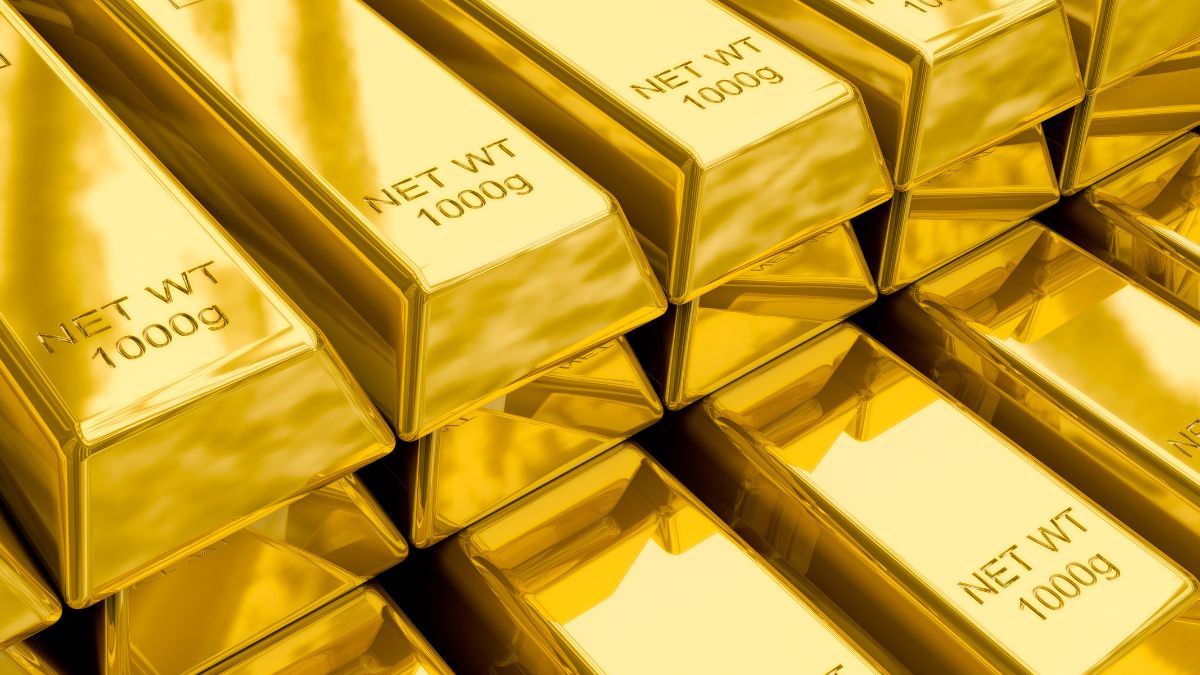
Gold prices witnessed one of their sharpest single-session falls in decades, plunging more than 12% on January 30, 2026, just a day after hitting record highs near $5,595–$5,600 per ounce. The sudden collapse shocked bullion markets globally and triggered intense volatility across precious metals. Here are the five key reasons behind the historic fall.
1. Kevin Warsh’s nomination changed the Fed narrative
The biggest immediate trigger was the nomination of Kevin Warsh as the next chair of the US Federal Reserve by Donald Trump. Warsh is widely viewed as hawkish on inflation and supportive of central bank independence. His selection eased market fears that the Fed would come under political pressure to aggressively cut rates or tolerate currency debasement. This sharply reduced gold’s appeal as a hedge against runaway inflation and monetary instability, prompting a rapid unwind of bullish positions.
2. Sharp rebound in the US dollar
Following the Warsh nomination, the US dollar surged, recording its strongest single-day gain in months. Since gold is priced in dollars, a stronger greenback makes the metal more expensive for non-US buyers and typically weighs on demand. The sudden dollar rally intensified selling pressure across bullion markets, accelerating gold’s decline.
3. Heavy profit booking after a parabolic rally
Gold had staged an extraordinary rally over the past year, nearly doubling in value and repeatedly hitting new all-time highs. By late January, technical indicators showed gold was deeply overbought, leaving prices vulnerable to a sharp correction. Once the selling began, investors rushed to lock in profits, triggering stop-loss orders and forced liquidations that amplified the fall.
4. Reduced safe-haven urgency
A key pillar of gold’s rally had been fears around policy uncertainty, geopolitical risks, and aggressive monetary easing. The perceived stabilisation of the Fed outlook after Warsh’s nomination reduced the urgency to hold gold as a defensive asset. As concerns around extreme policy outcomes eased, safe-haven demand weakened, contributing to the sharp reversal.
5. Liquidity stress and rapid position unwinding
The selloff was intensified by liquidity factors and broader market repricing. Volatility in equities and other risk assets led to margin calls and forced unwinding of leveraged positions in metals. Thin liquidity during parts of the trading session worsened the move, with sellers overwhelming buyers and pushing prices sharply lower in a short span.
What stood out in this crash
The January 2026 selloff marked one of the largest single-day declines in gold prices since the early 1980s, with spot prices falling around 9–10% and futures dropping over 11–12%. Silver performed even worse, plunging between 25% and 36%, highlighting the scale of the shock across precious metals.
The bigger picture
While the fall was dramatic, many analysts noted that long-term structural drivers such as central bank gold purchases, global debt concerns, and geopolitical uncertainty remain intact. However, the episode served as a stark reminder that even traditional safe-haven assets can experience violent corrections when positioning becomes crowded and sentiment shifts abruptly.
The gold crash underscores how quickly markets can reassess narratives—and how rapidly prices can move when long-held assumptions are challenged.
