
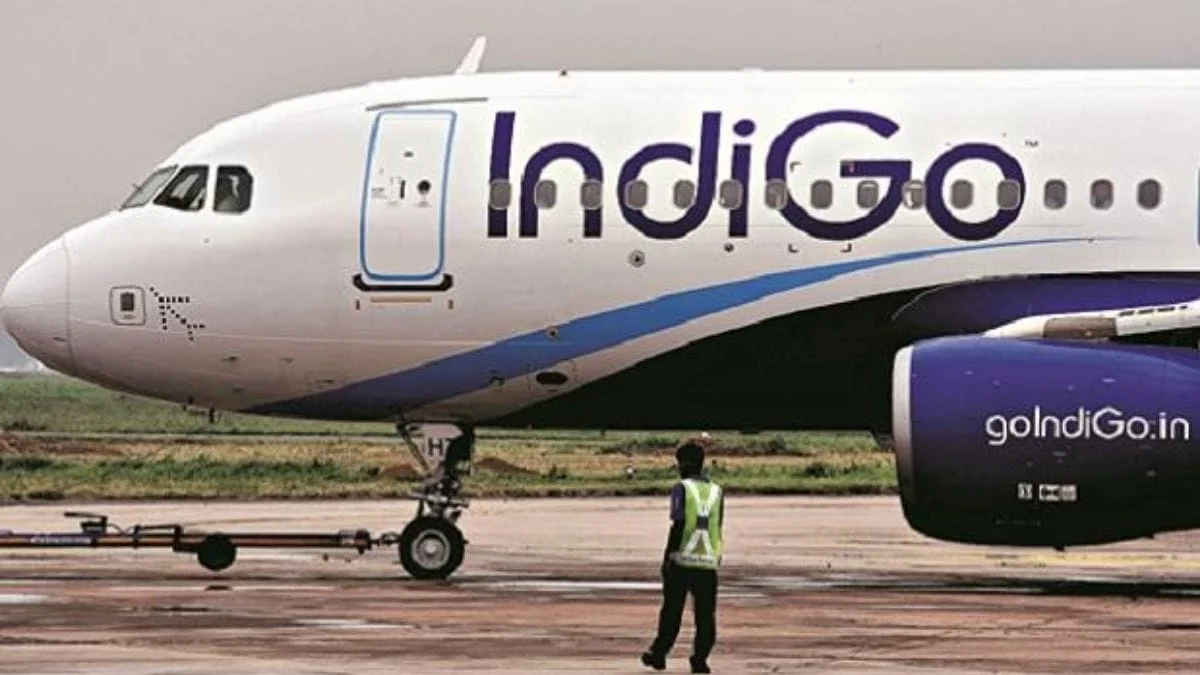
The massive flight disruptions caused by IndiGo’s widespread cancellations have triggered a ripple effect across India’s aviation sector, leading to a sudden and steep surge in airfares, with ticket prices on several routes shooting up to five times the normal rates.
As IndiGo — India’s largest airline by market share — struggles with operational breakdowns, including thousands of stranded passengers and cancelled flights across Delhi, Mumbai, Bengaluru, Hyderabad, Kolkata and Ahmedabad, the reduction in active flight capacity has created an immediate supply-demand imbalance.
Airfares jump sharply on high-traffic routes
Travel booking platforms show drastic price spikes on multiple domestic routes:
-
Routes like Delhi–Mumbai, Bengaluru–Delhi, Hyderabad–Mumbai have seen fares rise 3× to 5× within hours of IndiGo’s cancellations.
-
Some last-minute tickets that normally cost ₹4,000–₹6,000 are now being listed at ₹18,000–₹25,000.
-
Flights with limited seats remaining experienced the sharpest increase as passengers scrambled for alternatives.
Why are prices rising?
With IndiGo cancelling hundreds of flights—including all Delhi departures till midnight and Mumbai departures till 6 p.m.—other airlines are witnessing a sudden rush of demand. Under dynamic pricing models, fares automatically rise as seat availability decreases.
Aviation analysts note that fare surges of this scale typically occur only during peak holiday travel, but IndiGo’s operational crisis has pushed prices to extreme highs in just a few hours.
Passengers express frustration
Many stranded passengers reported that rebooking options were either unavailable or unaffordable, with some calling the price hikes “exploitative” and “unfair during an emergency.”
Social media is filled with screenshots of skyrocketing fares, including:
-
₹28,000 for a Delhi–Mumbai economy seat
-
₹55,500 for Bengaluru–Hyderabad
-
₹48,000+ for Delhi–Bengaluru
Situation likely to continue
IndiGo has warned that disruptions may persist for 2–3 more days, with full stability expected only by February 10, 2026. Until operations normalise, airfare volatility is likely to remain high, especially on routes where IndiGo typically dominates capacity.
