
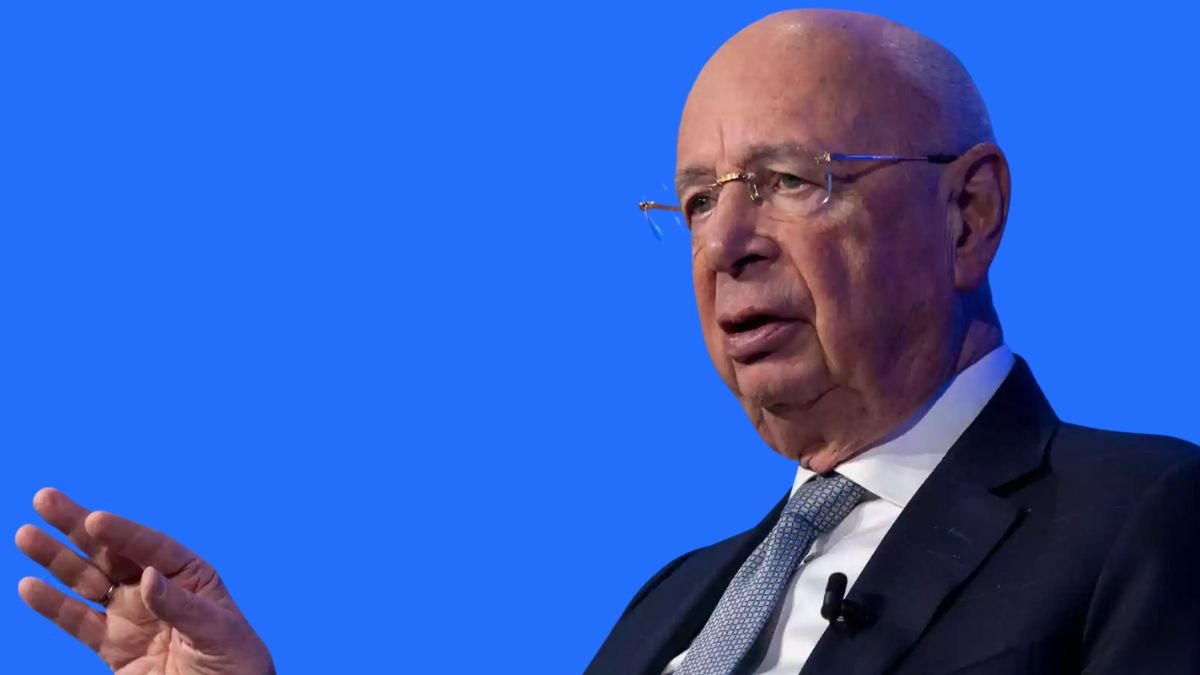
Klaus Schwab, the founder and long-time Chairman of the Board of Trustees of the World Economic Forum (WEF), has announced his resignation with immediate effect, marking the end of a historic leadership tenure that helped shape global economic and policy dialogue for over five decades.
Schwab, who founded the World Economic Forum in 1971, has been widely recognized as the architect of the annual Davos summit, a gathering that brought together world leaders, CEOs, academics, and civil society to address the planet’s most pressing challenges.
Under his leadership, the WEF evolved from a small academic conference into a global platform for public-private cooperation, influencing agendas on climate change, trade, technology, and inclusive growth.
Born in Germany in 1938, Schwab was a mechanical engineer and economist by training. He launched the WEF as the “European Management Forum” and rebranded it in 1987. He was also a prominent advocate of stakeholder capitalism, calling for companies to serve all stakeholders, not just shareholders.
His 2020 initiative around the “Great Reset” gained global attention, pushing for a post-pandemic transformation in the way economies, businesses, and societies function.
While Schwab’s resignation brings a historic chapter to a close, it is expected that he will continue to play an honorary role or serve in an advisory capacity as the organization prepares for new leadership.
The WEF is yet to announce his successor or share details on the transition process.
Disclaimer: This article is based on publicly available information and official announcements.
