
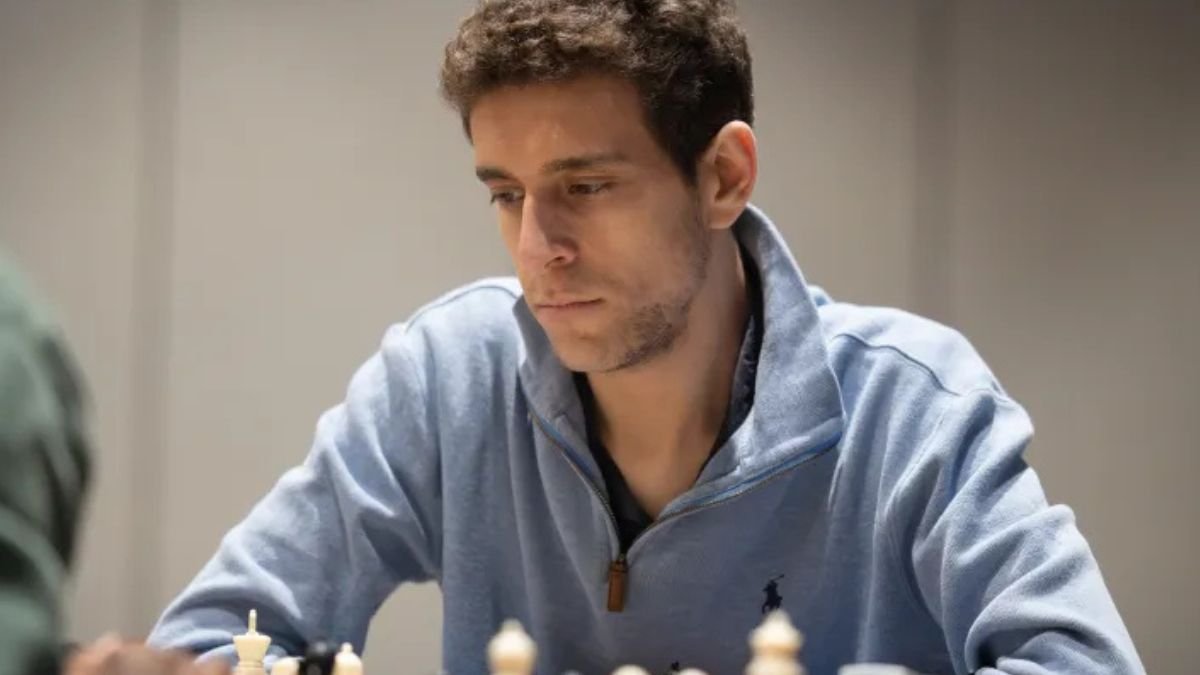
Daniel Naroditsky, one of the brightest minds in American chess, left behind an extraordinary legacy both on and off the board. Known for his strategic brilliance, engaging teaching style, and inspiring presence in the online chess community, his sudden death in October 2025 shocked the world. Here’s an in-depth look at his life, career, estimated net worth in 2025, and the legacy he leaves behind.
Early Life and Rise in Chess
Born on November 9, 1995, in San Mateo, California, Daniel Naroditsky showed a rare gift for chess from a young age. He became an international sensation after winning the Under-12 World Youth Chess Championship in 2007, signaling the arrival of a prodigy.
By 2013, at just 18, Naroditsky had earned the prestigious Grandmaster (GM) title, making him one of the youngest American players to achieve the honor. His peak FIDE classical rating reached 2647 in May 2017, and he consistently ranked among the top blitz players in the world, known for his creative and sharp attacking style.
Beyond tournaments, Daniel was admired for his deep understanding of chess strategy, which he shared through lectures, books, and online content. His calm demeanor and articulate commentary made him one of the most beloved educators in the chess community.
Career Beyond the Board
Daniel Naroditsky’s influence extended far beyond traditional tournaments. He became a respected chess commentator, streamer, coach, and author, helping popularize chess among younger audiences.
His engaging YouTube lessons, insightful Twitch streams, and collaborations with the Charlotte Chess Center showcased his passion for making chess accessible and enjoyable. Naroditsky also authored several well-regarded books, including Mastering Positional Chess (2010) and Mastering Complex Endgames (2012), which are widely read by players seeking to improve their game.
Daniel Naroditsky’s Net Worth in 2025
While exact figures are not publicly disclosed, Daniel Naroditsky’s estimated net worth in 2025 was believed to be between $500,000 and $1 million.
His earnings came from multiple sources:
-
Chess tournaments: Although prize money in chess is modest, consistent international participation provided a steady income.
-
YouTube and Twitch streaming: His online channels attracted large audiences, generating significant revenue through ads, sponsorships, and viewer donations.
-
Coaching and lectures: As a grandmaster-in-residence at the Charlotte Chess Center, Daniel offered private lessons, workshops, and commentary.
-
Books and writing: His instructional chess books and online columns also contributed to his income over the years.
Daniel’s ability to balance professional play with teaching and digital content creation made him one of the few chess players to successfully bridge the worlds of competition and media.
