
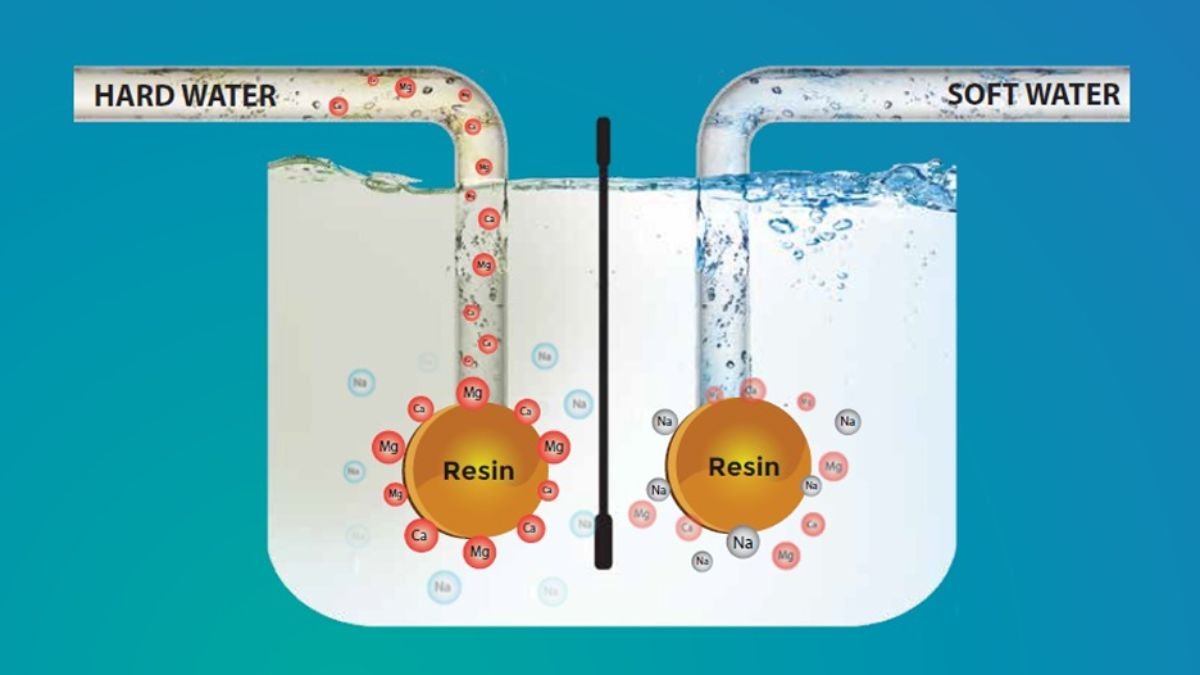
Hard water and soft water may look the same, but their mineral content creates noticeable differences in daily use. Understanding the distinction between hard and soft water helps homeowners make informed decisions about comfort, maintenance, and long-term savings.
Hard Water vs. Soft Water
Hard water contains elevated levels of dissolved calcium and magnesium, typically absorbed from the ground. This leads to issues like the formation of mineral deposits on fixtures and inside appliances, soap that doesn’t lather well, and potentially dry skin and hair.
On the other hand, hard water converted to soft water has had most of these hardness-causing minerals removed, preventing problems and generally extending the lifespan and efficiency of household water-using equipment.
Key Differences Between Hard and Soft Water
| Aspect | Hard Water | Soft Water |
| Mineral Content | High in calcium & magnesium | Lower Calcium and Magnesium mineral concentration |
| Effect on Skin & Hair | Causes dryness and dullness | Gentle and comfortable |
| Plumbing Impact | Builds limescale, clogs pipes | Keeps plumbing cleaner |
| Soap Interaction | Produces scum, poor lather | Rich lather, less soap needed |
Now that we know what sets them apart, let’s look at how hard water affects your home.
Effects of Hard Water in Homes
Hard water affects your home in ways that are both visible and hidden. You may notice:
- White scaling on taps, showers, and bathroom tiles
- Reduced water flow as mineral deposits narrow pipes
- Higher electricity bills because geysers and appliances take longer to heat water or operate efficiently
- Dull laundry, stiff fabrics, and the need for more detergent
- Rough skin and dry hair due to hard water
- Faster wear and tear on everyday fixtures and appliances
When these problems continue to resurface despite regular cleaning, many homeowners realise the need to address the root cause and choose a hard water softener for their home.
How Does a Water Softener Work?
A water softener uses ion-exchange technology to replace hardness-causing minerals with sodium or potassium ions. This turns hard water into soft water before it reaches your taps, protecting every part of your home’s plumbing and appliances.
Benefits of Converting Hard Water to Soft Water
Switching from hard to soft water brings several long-lasting advantages:
- Reduced scaling on taps, tiles, and bathroom fittings
- Better lathering with soap and shampoo
- Longer lifespan for geysers, washing machines, and dishwashers
- Healthier skin and hair
- Lower detergent and electricity use
- Overall cost savings due to fewer repairs and improved appliance performance
For homes facing persistent water hardness issues, installing a hard water softener for home becomes a worthwhile investment.
Conclusion
Understanding the difference between hard and soft water helps you protect your home, save on maintenance costs, and improve your daily comfort. For lasting results, a reliable hard water to soft water converter for the home is one of the most effective ways to remove water hardness and ensure better water quality throughout your home.
When it comes to choosing the best water softener for your home, trust the expertise and proven quality of Aquaguard Water Softeners from Eureka Forbes. Their advanced water softeners are specifically made to efficiently tackle India’s diverse water hardness levels, providing you with soft water that protects your appliances, keeps your skin and hair healthy, and reduces frustrating scale buildup. Choose Eureka Forbes for superior technology, unparalleled reliability, and the ultimate soft water experience.
