
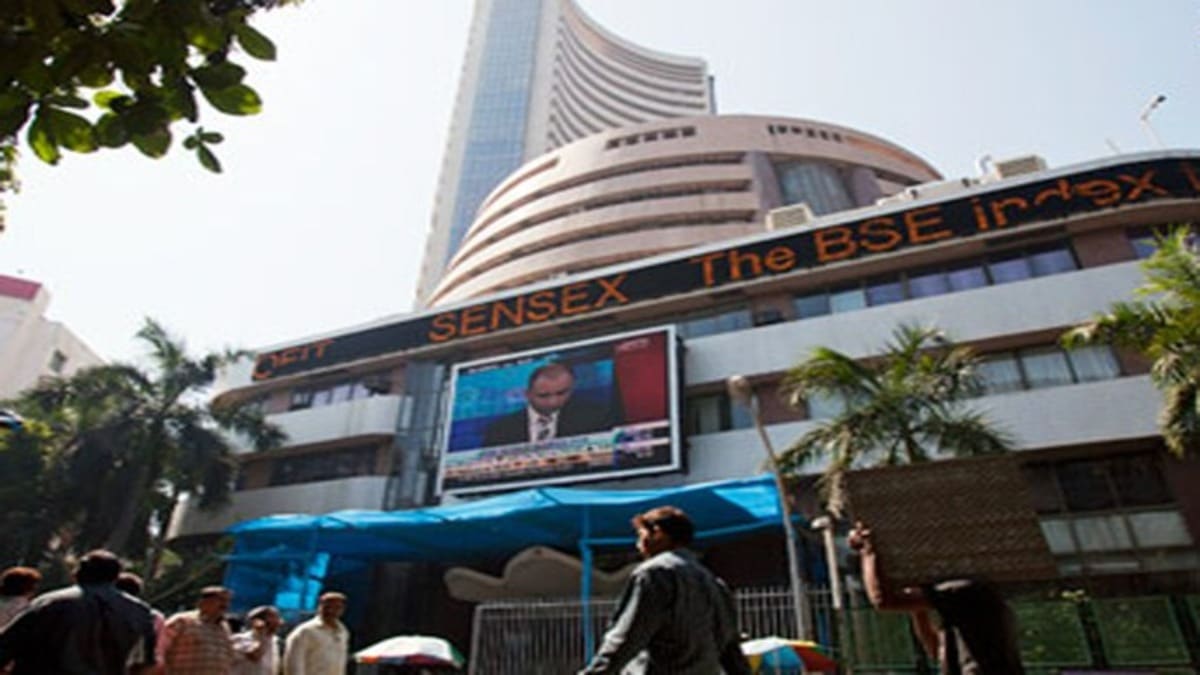
Indian equity markets witnessed a sharp sell-off in early trade on March 9, with the Nifty 50 plunging below the crucial 24,000 mark and slipping toward 23,700 levels, while the Sensex dropped over 1,800 points amid a wave of global and domestic risk-off sentiment. The decline was broad-based across sectors, with banking, auto, PSU banks, metals and financial stocks leading the fall, while several heavyweight stocks also came under pressure.
Data shows that nearly all sectoral indices were trading in the red, while heavyweights across banking and energy stocks dragged the benchmark indices lower in early trade.
Here are five key reasons behind today’s market fall:
1. Crude oil surge amid Strait of Hormuz crisis
One of the biggest triggers for the market sell-off is the sharp spike in crude oil prices following escalating tensions in the Middle East. Brent crude has surged sharply as fears of supply disruption grow after Iran moved to block the Strait of Hormuz, one of the world’s most critical oil shipping routes.
The Strait of Hormuz handles around one-fifth of global oil shipments, and disruptions have triggered fears of a global supply shock. Higher crude prices pose a significant risk for India, which imports a majority of its energy requirements. Rising oil prices can increase inflation, widen the current account deficit and pressure corporate margins across sectors such as aviation, paints, cement and logistics.
2. Escalating geopolitical tensions between the US and Iran
Investor sentiment has also been hit by the widening conflict involving the US, Israel and Iran, which has intensified geopolitical uncertainty across global markets. The conflict has already led to shipping disruptions and supply concerns across energy markets, triggering volatility in equities worldwide.
The crisis has led to sharp declines across Asian markets as investors move toward safer assets such as the US dollar and gold.
3. Heavyweights and banking stocks dragging indices lower
The sell-off was led by large-cap stocks and banking heavyweights. Key sectors including private banks, PSU banks, auto and financial services witnessed sharp declines in early trade.
Sectoral indices showed steep losses, with Nifty PSU Bank falling over 5%, while auto, financial services and metals also declined sharply. Broad-based selling in large-cap stocks amplified the pressure on benchmark indices, pushing the Nifty decisively below key psychological levels.
4. FIIs continue to pull money out of Indian markets
Another major factor behind the weakness is persistent selling by foreign institutional investors (FIIs). Data shows that FIIs remained net sellers in the cash segment, offloading over ₹6,030 crore worth of equities, while domestic institutional investors provided some support through buying.
Sustained FII outflows typically weigh on market sentiment, especially during periods of global uncertainty and rising interest rate expectations.
5. Key technical support levels broken
From a technical perspective, the market weakness accelerated after the Nifty broke multiple key support levels, including 24,300 and the psychologically important 24,000 mark. Analysts had earlier warned that a break below these levels could push the index toward the 23,800 zone, triggering further selling pressure.
Once these supports were breached, stop-loss selling and algorithmic trades likely intensified the downside momentum.
Broader market impact
The sharp correction was visible across market segments, with midcap and smallcap indices also declining more than 2–3%, indicating a broad-based sell-off rather than a sector-specific correction.
With geopolitical tensions, oil price volatility and foreign fund outflows dominating sentiment, analysts expect continued volatility in the near term, with crude oil prices and global developments likely to remain the key triggers for market direction.