
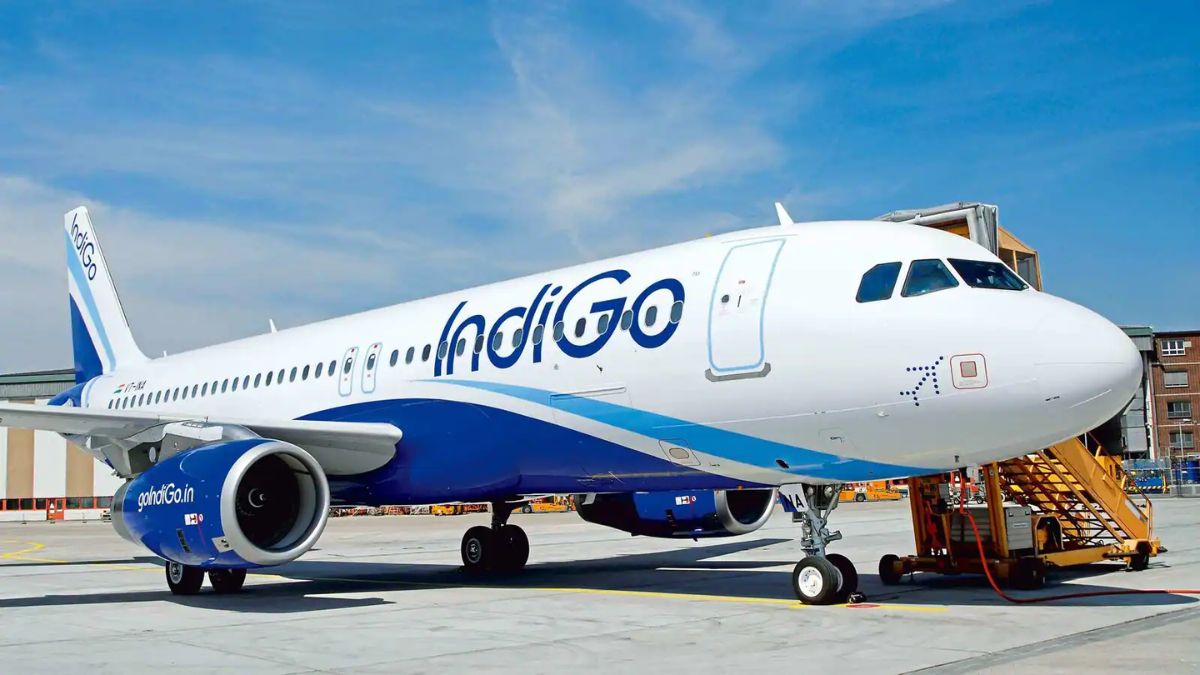
Shares of Interglobe Aviation, the parent company of IndiGo, fell sharply in early trade on March 9, with the stock declining more than 7% to around ₹4,087–₹4,100, compared with the previous close of ₹4,404.10. The stock opened at ₹4,199.90 and dropped to an intraday low of ₹4,086.90, reflecting pressure on aviation stocks amid rising global uncertainties.
The decline in the stock comes amid a combination of macro, geopolitical and sector-specific factors that have weighed on investor sentiment.
1. Surge in crude oil prices
One of the biggest factors impacting airline stocks is the sharp rise in crude oil prices. Brent crude prices have jumped nearly 60% over the last ten trading sessions, rising from around $70 per barrel to nearly $110 per barrel.
The surge follows Iran’s blockade of the Strait of Hormuz, one of the world’s most critical oil shipping routes, along with production cuts announced by major Gulf oil producers amid escalating geopolitical tensions. Since aviation turbine fuel (ATF) is derived from crude oil, higher oil prices significantly increase operating costs for airlines and pressure margins. Rising crude prices also tend to weigh on sectors such as aviation, paints and cement that rely heavily on oil-linked inputs.
2. Flight disruptions and airspace closures
The escalating conflict in the Middle East has also resulted in airspace restrictions and disruptions to flight routes across several regions. Airlines may have to take longer routes to avoid conflict zones, increasing fuel consumption, flight time and operational costs. This uncertainty around global travel corridors has added to the pressure on aviation stocks.
3. Rising aviation turbine fuel costs
Aviation turbine fuel accounts for a significant portion of airline operating costs, often forming the single largest expense for carriers. With crude oil prices surging sharply, ATF prices are expected to rise further, which could weigh on profitability for airlines in the near term.
4. Uncertainty around passenger demand
Higher airfares caused by rising fuel costs could eventually affect demand. Analysts note that airline demand is sensitive to ticket pricing, and any significant fare hikes may slow passenger growth in the near term.
5. Brokerage commentary highlighting sector risks
Brokerage Kotak Institutional Equities recently highlighted the aviation sector’s large exposure to crude oil prices and jet fuel spreads, which makes cost structures difficult to forecast during periods of oil price volatility.
The brokerage has upgraded IndiGo to a ‘buy’ rating with a target price of ₹5,500, but cautioned that investors should remain mindful of the rapidly increasing losses among some of IndiGo’s peers, which could influence sector profitability.
Kotak also noted that airlines should be viewed largely as a play on consumer spending, where consumers eventually absorb inflation through higher ticket prices, while airlines benefit during periods when fuel costs ease.
Despite the brokerage’s positive long-term outlook, the near-term volatility in oil prices and geopolitical developments appears to have weighed on the stock in the current session.