
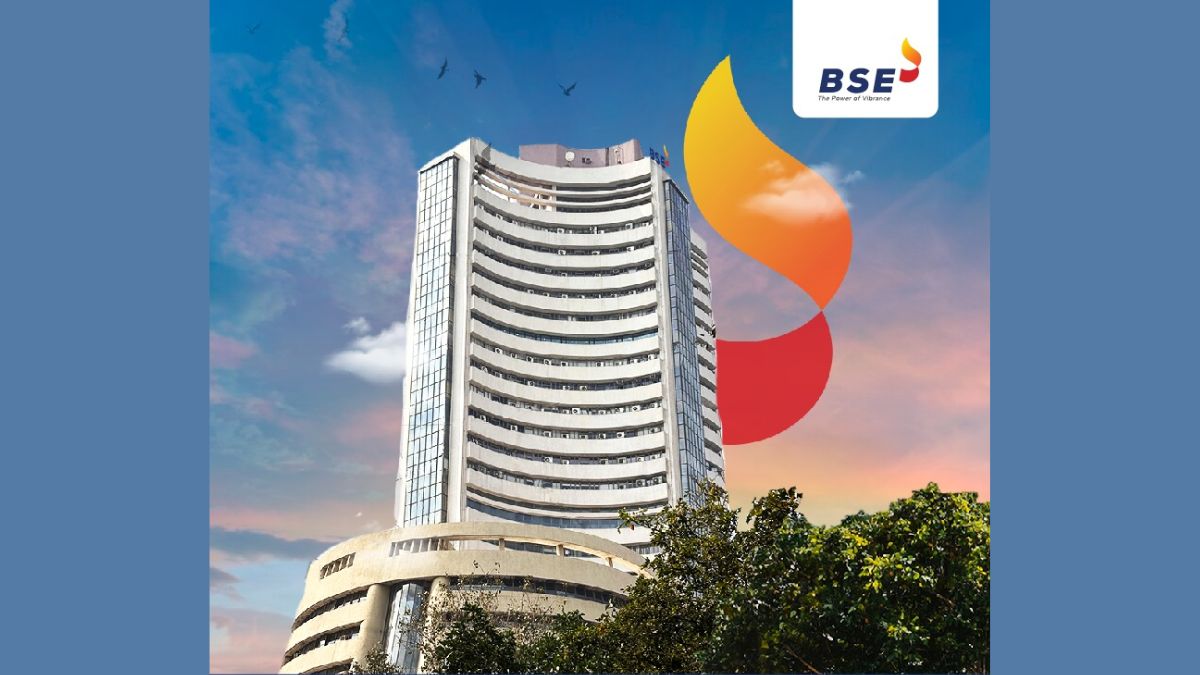
Shares of BSE plunged sharply on Sunday, February 1, sliding over 11% after Union Budget 2026 confirmed a steep hike in Securities Transaction Tax (STT) on futures trading, triggering concerns over derivatives volumes and exchange revenues.
STT hike on futures spooks markets
The sell-off followed confirmation that STT on futures contracts has been increased from 0.02% to 0.05%, effectively more than doubling transaction costs for futures traders. The move directly impacts derivatives-heavy market participants, including retail traders, high-frequency traders, and algorithmic trading firms.
Higher STT increases the cost of leveraged trades, making frequent futures trading less attractive. Market participants fear this could lead to lower F&O volumes, which form a key revenue driver for stock exchanges and brokerage firms.
Why BSE is under pressure
BSE’s business model is closely linked to trading volumes, particularly in derivatives. Any slowdown in F&O activity can directly impact transaction fee income and ancillary revenues. The sharper-than-expected STT hike has raised concerns that derivatives participation could soften in the near term as traders reassess costs.
Broking stocks and exchange-linked businesses also came under pressure, as higher transaction taxes tend to curb speculative and short-term trading activity, especially among retail participants.
Short-term impact in focus
The immediate market reaction reflects concerns over near-term revenue pressure rather than long-term structural issues. Investors are now assessing how sustained the impact on trading volumes could be and whether the higher STT leads to a shift in trading behaviour across exchanges.
For now, BSE shares remain under pressure as markets digest the implications of the Budget’s derivatives taxation changes on exchange earnings and overall market liquidity.
Disclaimer: The information provided is for informational purposes only and should not be considered financial or investment advice. Stock market investments are subject to market risks. Always conduct your own research or consult a financial advisor before making investment decisions. Author or Business Upturn is not liable for any losses arising from the use of this information.
