

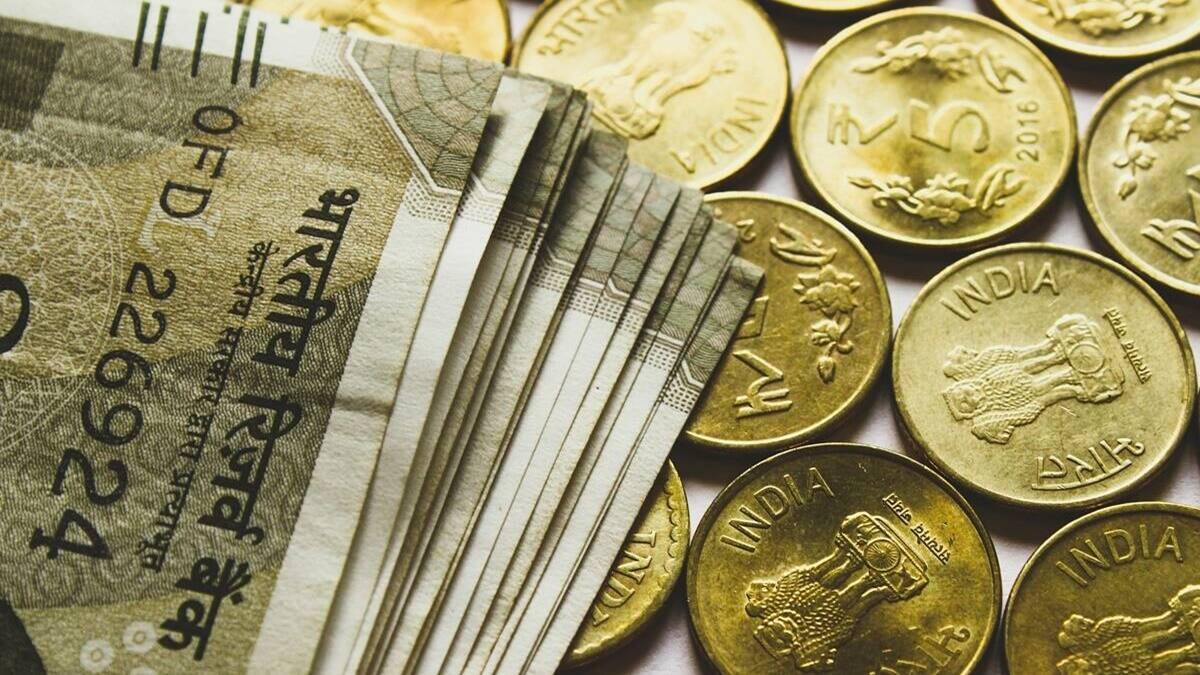
The Indian rupee fell to an all-time low of 96.9650 against the US dollar on Wednesday, triggering intervention by the Reserve Bank of India, which sold small amounts of dollars in the onshore currency market to arrest the decline. The move provided temporary support but did little to change the underlying narrative — foreign institutional investors are now openly discussing scenarios where the rupee breaches the psychologically significant 100-per-dollar level.
Who is saying what
Aberdeen Investments, MetLife Investment Management, and Gamma Asset Management SA are among the firms that have put a triple-digit rupee on the table as a genuine possibility rather than a tail risk. The common thread across their reasoning is a prolonged stalemate in the US-Iran war — one that keeps the Strait of Hormuz effectively shut, sustains elevated oil prices, inflates India’s import bill, and drives global investors toward the dollar as the default safe-haven currency.
The rupee hitting 100 per dollar would represent a decline of roughly 3% from Wednesday’s record low — a move that, in the current environment of persistent pressure, investors are no longer treating as implausible.
Why the rupee is where it is
India’s vulnerability in this environment is structural. As the world’s third-largest oil consumer, a 50% surge in oil prices since the war began translates directly into a ballooning dollar-denominated import bill. Every dollar spent on oil that was not budgeted for is a dollar draining from reserves and adding to current account pressure. The RBI has already spent approximately $32 billion in foreign exchange reserves defending the rupee since the war began — a significant drawdown that itself narrows the central bank’s future intervention capacity.
The dollar is simultaneously being pushed higher by expectations of a more hawkish Federal Reserve, as energy-driven inflation in the US keeps rate cut expectations off the table and Treasury yields near multi-year highs. A stronger dollar and a weaker rupee are two sides of the same coin in this environment.
What the government has done and what is left
Authorities have already deployed a significant portion of the available policy toolkit. Import duties on gold and silver have been more than doubled to 15%. Silver imports have been reclassified as restricted. Fuel prices have been raised twice in less than a week. The RBI has clamped down on FX derivative activity by banks and imposed position limits. A reduction in taxes on foreign investor bond holdings and a plan for state lenders to sell foreign-currency bonds are both under active consideration.
What has not yet been used — but remains available — includes a tightening of the Liberalised Remittance Scheme, a cash reserve ratio hike to drain banking system liquidity, mandatory exporter dollar repatriation, and potentially a sovereign NRI deposit scheme, though the latter is prohibitively expensive at current US interest rates.
The 100 number and what it would mean
A rupee at 100 per dollar would not just be a psychological milestone. It would materially increase the cost of every dollar-denominated import, push inflation higher across fuel, edible oil, electronics, and capital goods categories, increase the rupee cost of servicing dollar-denominated corporate debt, and potentially trigger further FII outflows as currency losses compound equity market returns for foreign investors. It would also represent a significant political moment for a government that has staked considerable credibility on macroeconomic stability.
The RBI’s intervention signal on Wednesday — selling dollars, however modestly — is a statement that the central bank is watching and willing to act. Whether it has the reserves and the appetite to fight a market that is increasingly pricing in further weakness is the question that will define the rupee’s trajectory in the weeks ahead.
This article is for informational purposes only and does not constitute investment advice. Please consult a qualified financial advisor before making any investment decisions.