
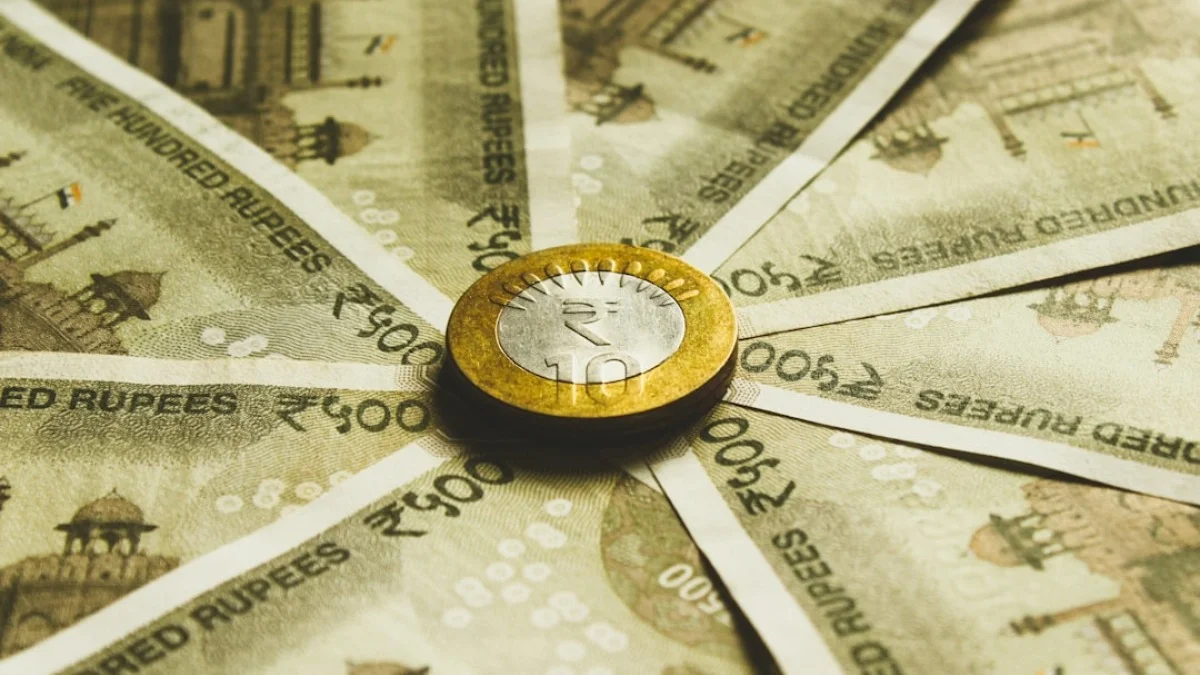
The Indian rupee has slipped to record low levels near 92 against the US dollar, pressured by a combination of external shocks, trade-related concerns, and strong dollar demand. The decline marks one of the sharpest phases of weakness for the currency in recent years.
1. US tariff shock on Indian exports
The most immediate trigger behind the rupee’s recent fall has been steep tariffs imposed by Donald Trump on Indian merchandise exports to the United States, India’s largest export market. The move has raised concerns over export earnings, trade balance pressures, and potential disruptions to dollar inflows.
With exporters facing higher costs and reduced competitiveness, markets have priced in a weaker external position for India, weighing on the rupee.
2. Strong US dollar globally
The rupee’s decline is part of a broader emerging market currency sell-off, driven by a sharp rise in the US dollar. Safe-haven demand has pushed global investors toward the dollar amid geopolitical uncertainty and concerns over global growth.
A stronger dollar typically pressures currencies like the rupee by making imports costlier and increasing demand for dollars from oil companies and importers.
3. Widening trade and current account pressures
India remains a net importer, particularly of crude oil, gold, and electronic goods. Elevated commodity prices and a weaker rupee increase the country’s import bill, adding pressure to the current account balance and increasing dollar demand in the domestic market.
4. Portfolio outflows and risk aversion
Foreign investors have turned cautious amid global uncertainty and trade-related risks. Reduced foreign portfolio inflows or outright outflows from Indian equities and bonds have limited dollar supply, further weakening the rupee.
5. RBI intervention focused on smoothing volatility
Traders said the Reserve Bank of India likely intervened in the foreign exchange market as the rupee approached the psychologically important 92-per-dollar level. However, the central bank’s action appears aimed at slowing volatility rather than defending a specific level, allowing the currency to adjust to external pressures.
6. Psychological levels and momentum selling
Once the rupee breached previous record lows, technical selling and momentum-driven trades accelerated the fall. The move toward the 92 level triggered stop-losses and fresh dollar buying, amplifying intraday weakness.
Bottom line
The rupee’s fall is being driven primarily by external factors, including US trade actions, global dollar strength, and rising risk aversion, rather than domestic macro instability. While RBI intervention may help smooth sharp swings, the currency’s direction will remain sensitive to global trade developments, capital flows, and dollar movement in the near term.
