
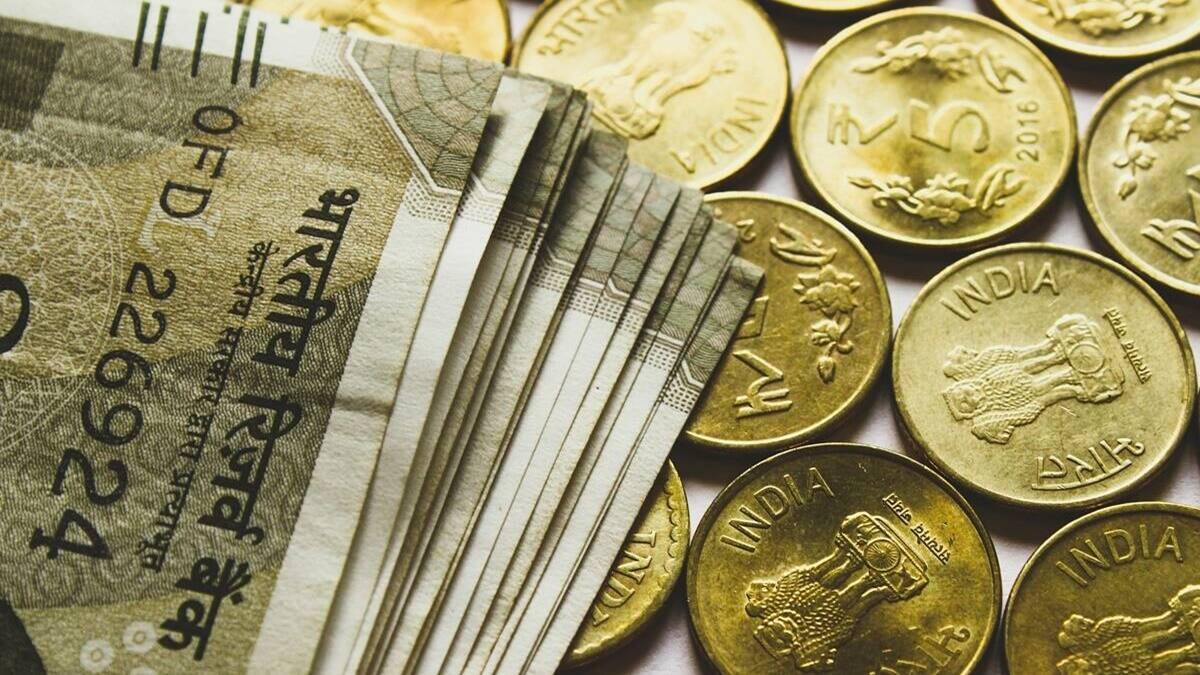
The Indian rupee slipped to a record low of 91.18 against the US dollar on Wednesday, January 21, extending its recent weakness as global risk sentiment deteriorated sharply.
Global risk-off mood weighs on rupee
The immediate trigger behind the fall was heightened geopolitical tension linked to Greenland, which has raised fears of renewed US–Europe trade friction. These developments pushed global investors toward safe-haven assets such as the US dollar, strengthening the greenback across the board and pressuring emerging market currencies, including the rupee.
Dollar strength adds to pressure
The US dollar remained firm as investors reassessed global growth and geopolitical risks. A stronger dollar typically leads to capital moving away from riskier assets, resulting in outflows from emerging markets and increased demand for dollars, which weakens local currencies like the rupee.
Rupee’s existing vulnerabilities amplified
Currency traders pointed out that the rupee was already under strain, making it more vulnerable to global shocks. Compared with several Asian peers, the rupee has been relatively sensitive to sudden shifts in risk sentiment, causing sharper reactions during periods of global uncertainty.
RBI intervention limited the damage
Market participants indicated that Reserve Bank of India was present in the market to smooth volatility. However, persistent dollar demand and the global risk-off environment meant that intervention could only slow, not reverse, the rupee’s decline.
What to watch next
Analysts said the rupee’s near-term movement will remain closely linked to global developments, including geopolitical headlines, US dollar strength, and risk appetite across financial markets. Any easing in global tensions or moderation in the dollar could offer temporary relief, while continued uncertainty may keep the rupee under pressure.
In the coming sessions, traders will also track overseas flows, crude oil prices, and central bank cues for further direction in the currency.
