
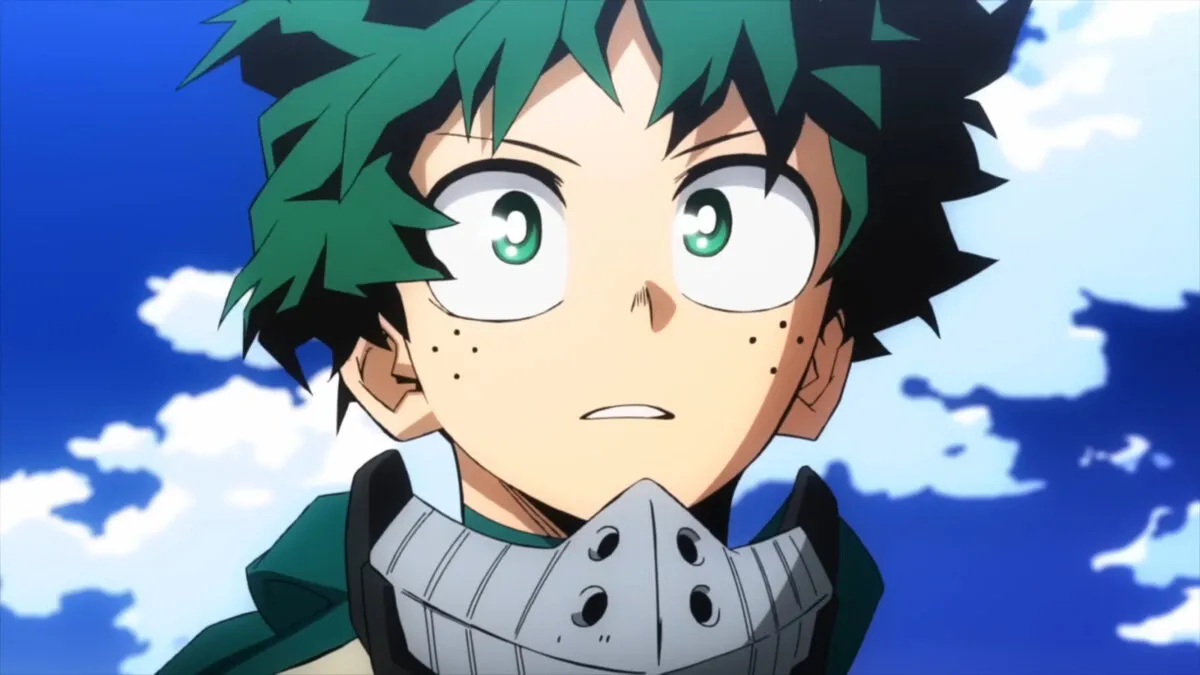
After a decade of gripping storytelling, My Hero Academia has wrapped up its run, and the fan reactions have been intensely mixed. It’s not uncommon for passionate fans to have strong opinions, but sometimes the criticism may not fully reflect the series’ actual qualities.
Why the Criticism?
Despite its global acclaim, My Hero Academia has faced its share of criticism from outside its fanbase. It’s unclear why some people feel so entitled to voice negative opinions about the series without engaging with it fully. Of course, even within the fandom, there are critiques, especially following the release of chapter 430.
What’s Wrong with the Ending?
The series finale has its flaws, no doubt, but some criticisms seem misplaced. For example, some fans are upset that Deku, after the war, retreats into a normal life as a teacher rather than becoming a famous hero. However, the final chapter shows that Deku does receive recognition. Characters like Dai are starstruck by him, and action figures of Deku and his classmates suggest he is celebrated.
Moreover, the story emphasizes that true heroism isn’t just about fame but making a difference in everyday life. Deku’s journey ends with him living a quirkless life, which aligns with the series’ message that heroism can come from simple, everyday acts.
Misunderstandings and Misinformation
Another common complaint is about Deku’s relationships with his friends after graduation. Some fan translations suggested that Deku lost contact with his friends, which led to claims that he was abandoned. However, this is a misunderstanding. In reality, while the Class A students struggle to meet up due to busy schedules, there’s no indication that Deku was abandoned. In fact, his friends go out of their way to support him, even funding a special hero suit for him to continue his work without a quirk.
