
“My 600-Lb Life,” a reality TV show on TLC, has garnered significant attention over the years for its focus on extreme weight loss journeys. Here are some lesser-known aspects about the show and its key figures:
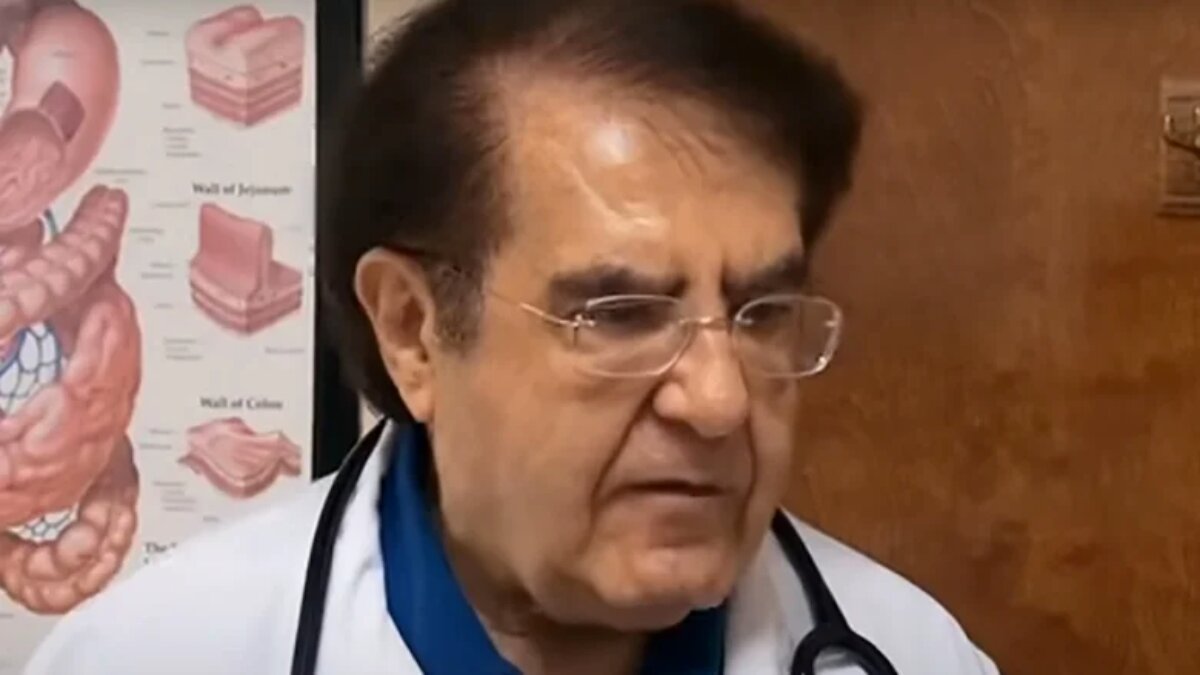
- Dr. Nowzaradan’s Legal Issues: Despite being a central figure on the show, Dr. Younan Nowzaradan, known as Dr. Now, has faced legal challenges. One notable case involved a patient, Michelle Park, who sued him for leaving a nearly seven-inch tube inside her after surgery. This led to complications and required further medical intervention. Another lawsuit followed, where the wife of a patient alleged negligence that contributed to her husband’s death. These incidents highlight the risks and legal complexities associated with surgical interventions featured on the show.
- Exploitative Nature of the Show: Critics argue that “My 600-Lb Life” sensationalizes the struggles of obese individuals for entertainment. Author Evette Dionne criticized the show for its portrayal of obese individuals, emphasizing their physical limitations and struggles with food in a dehumanizing manner. Some viewers and critics believe that the show prioritizes dramatic narratives over the holistic treatment of obesity, neglecting the psychological aspects and complexities involved in weight management.
- Financial Compensation for Participants: Participants on the show face grueling challenges beyond their weight loss journeys. They receive a modest stipend of $1,500 for a year’s worth of filming, with an additional $1,500 for follow-up episodes. This compensation is minimal given the extensive commitment and invasive nature of the filming process. Moreover, the participants do not receive residuals for reruns or subsequent airings of their episodes.
- Allegations of Emotional Distress: Several former participants have accused the show’s production company, Megalomedia, of causing emotional distress during filming. Destinee LaShaee (formerly Matthew Ventress) filed a lawsuit alleging that producers pushed her to perform tasks that exacerbated her emotional distress. Another participant, Gina Marie Krasley, accused producers of manipulating her eating behaviors to create a more sensational storyline, which she argued worsened her mental health.
- Impact on Participants’ Lives: Being on “My 600-Lb Life” can have profound personal consequences beyond weight loss. Several participants have reported strained relationships with family members or spouses due to their transformations. For instance, Zsalynn Whitworth and Laura Perez both experienced marital challenges post-weight loss, with their partners struggling to adapt to their changed appearances and increased independence.
- Legacy and Public Perception: Despite criticisms, “My 600-Lb Life” remains a popular show that highlights the struggles and triumphs of individuals battling severe obesity. It has sparked important discussions about healthcare, body image, and the ethics of reality television. However, the controversies surrounding the show underscore ongoing debates about the responsibilities of media producers in portraying sensitive health issues sensitively and ethically.
Overall, while “My 600-Lb Life” has achieved significant viewership and highlighted important health issues, it also faces scrutiny for its portrayal of participants and ethical concerns regarding their treatment and representation.
3.5
ChatGPT can make mistakes. Check important info.
