
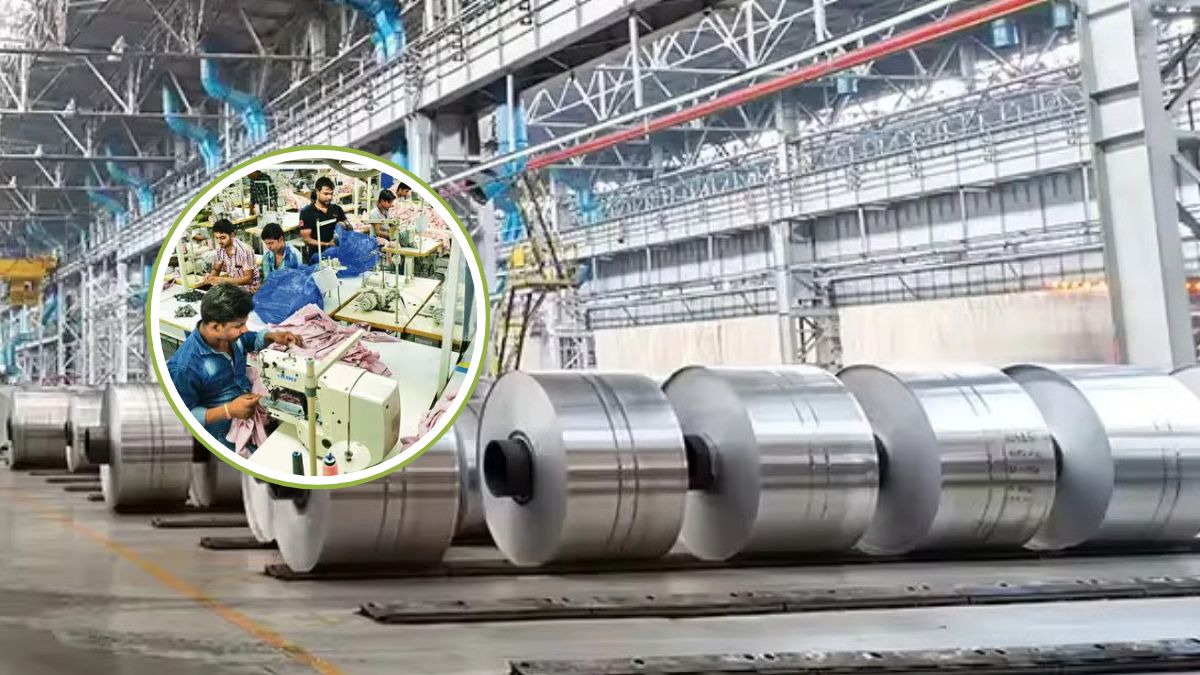
A new policy paper by CUTS International has raised an alert on the rising cost pressures facing India’s secondary aluminium sector, warning that unchecked input prices could undermine the nation’s manufacturing momentum at a time when aluminium demand is projected to rise sharply—from 5.3 million tonnes today to 8.3 million tonnes by 2030.
Released at a critical moment for India’s industrial expansion, the report argues that the existing import duty structure is inadvertently hurting MSMEs, the backbone of India’s manufacturing supply chain and a central pillar in the pursuit of Viksit Bharat 2047.
Maharashtra at the Centre of the Challenge
Maharashtra, one of India’s largest aluminium-consuming and manufacturing states, has become the focal point of this issue. With major smelting and refining operations in Nagpur, Chandrapur, Raigad and Pune, and thousands of MSMEs engaged in casting, fabrication, extrusion and component manufacturing, the state hosts a wide and tightly linked aluminium value chain supporting jobs, innovation and industrial stability.
However, this ecosystem is under pressure. The current 7.5% import duty on primary aluminium has contributed to higher input prices, squeezing MSMEs that already operate on thin margins.
“The aluminium industry in Maharashtra represents more than just production numbers—it’s about livelihoods, skill development and regional economic stability,” said an industry observer. “When MSMEs feel cost pressure, the entire value chain feels the ripple.”
Competitiveness Under Strain
Navendu K. Bharadwaj of the Aluminum Secondary Manufacturers Association (ASMA) noted that duty reform is now essential to national priorities.
“Reducing duty on primary aluminium will enable downstream manufacturers to support development initiatives required for a Viksit Bharat 2047,” he said. “Aluminium value-added products are vital for construction, infrastructure, automobiles and electronics.”
The policy paper points out that the current duty structure keeps domestic aluminium prices higher than global benchmarks, weakening the competitiveness of fast-growing sectors such as construction, renewable energy, electric vehicles and electronics—all of which depend on aluminium.
The Path Forward
The report recommends reducing import duties to:
• Make India’s 3,500 aluminium MSMEs more competitive against duty-free finished imports under FTAs.
• Correct the inverted duty structure, where raw aluminium faces duties while finished goods enter duty-free.
• Boost employment and exports by strengthening downstream value addition.
As India targets global manufacturing leadership under Viksit Bharat 2047, the study concludes that duty rationalisation is not a minor policy tweak but a strategic industrial priority. Addressing cost distortions, it says, will unlock the full potential of India’s aluminium value chain across states—from Odisha and Gujarat to Tamil Nadu and Maharashtra.
