
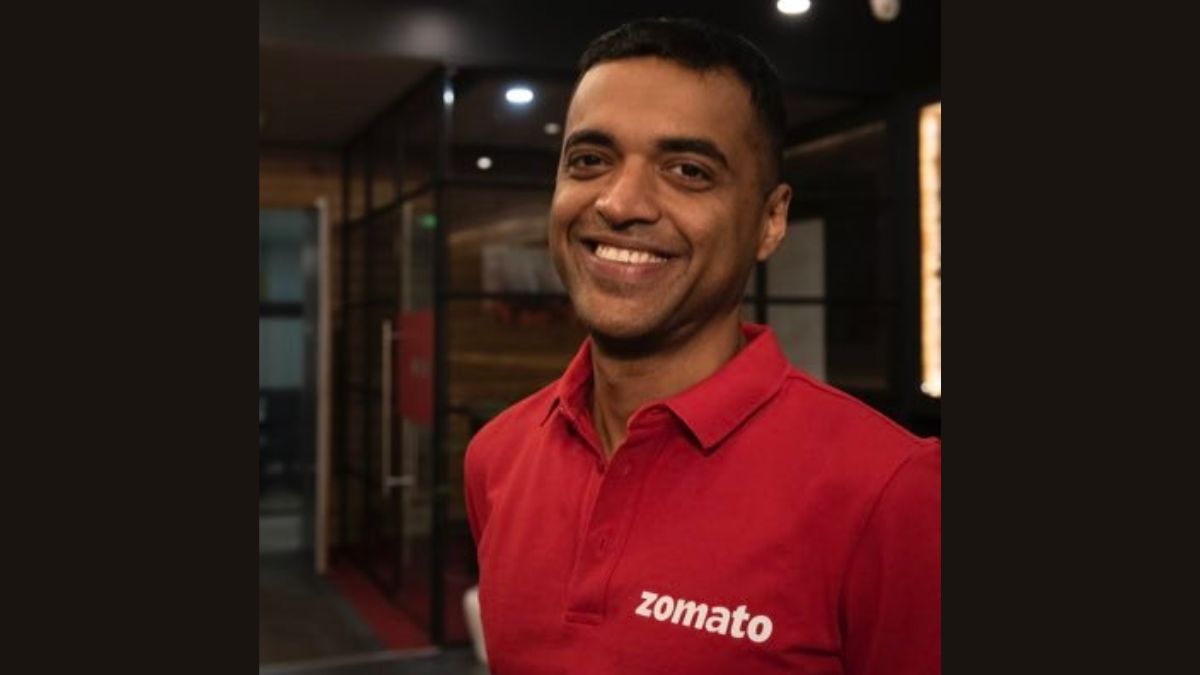
Deepinder Goyal has stepped down from his role as Group CEO of Eternal primarily due to a strategic divergence between his personal entrepreneurial interests and the demands of leading a public company.
Shift toward high-risk experimentation
In his statement, Goyal explained that he has increasingly been drawn to new ideas involving significantly higher-risk exploration and experimentation. These ideas, by their nature, are better pursued outside a listed public company, where shareholders typically expect predictability, discipline, and a clear link to existing business lines.
As Eternal is a publicly traded entity, its leadership is expected to prioritise execution, consistency, and near-to-medium-term value creation, rather than exploratory bets that may not align with current operations.
Public company CEO role demands singular focus
Goyal acknowledged that the role of a public company CEO in India comes with intense expectations and regulatory scrutiny, requiring near-total focus on the core business. He noted that Eternal deserves leadership that remains sharply aligned with its present businesses and growth priorities, without distraction.
Rather than splitting attention between Eternal and unrelated experimental ventures, Goyal chose to step aside from executive responsibilities.
Continuity through board role
Importantly, Goyal is not exiting Eternal entirely. Subject to shareholder approval, he will remain on the board as Vice Chairman, allowing him to contribute at a strategic level while stepping away from day-to-day management.
Albinder Dhindsa takes charge
Following this transition, Albinder Dhindsa has been appointed as Group CEO. The move is aimed at ensuring operational continuity and sustained focus across Eternal’s businesses, including food delivery and quick commerce.
The bottom line
Deepinder Goyal’s resignation as CEO is not driven by performance issues or governance concerns, but by a conscious choice to separate:
- Eternal’s need for focused, disciplined public-market leadership
- His personal desire to pursue bold, high-risk entrepreneurial ideas independently
The transition reflects a maturing organisation prioritising stability, while its founder steps into a more strategic, non-executive role.
