
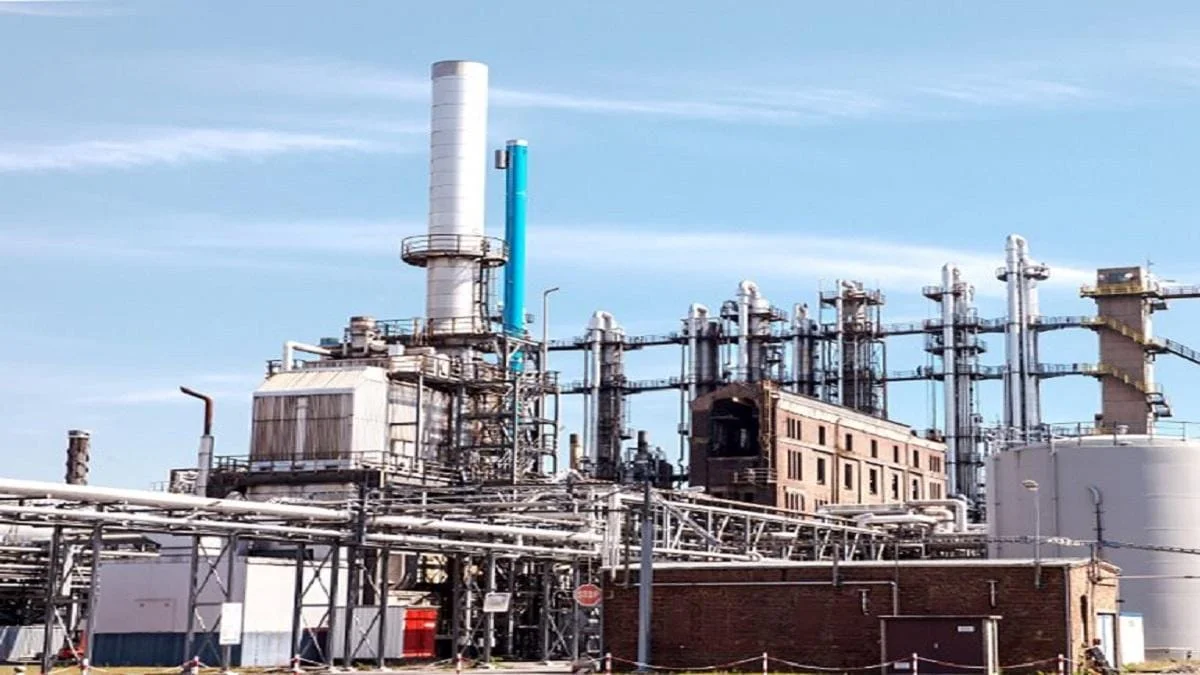
Northern Graphite Corporation, along with its partners Rain Carbon Germany GmbH, H.C. Starck Tungsten GmbH and Friedrich Schiller University Jena, has announced the launch of USE-G, a three-year research and development programme focused on environmentally friendly and safe graphite extraction for Europe’s battery industry.
The USE-G project is largely funded by the German Federal Ministry for Economic Affairs and Energy, which is contributing €1.14 million toward the total project budget of €1.70 million. The initiative is aimed at developing cleaner, less energy-intensive graphite processing technologies while reducing Europe’s dependence on Chinese supply chains for battery-grade graphite.
Graphite is a key raw material used in lithium-ion batteries and can account for up to forty percent of the active materials in a typical anode. Despite growing battery manufacturing capacity, Europe currently relies heavily on China for graphite purification, coating and shaping technologies. The USE-G programme seeks to address this gap by creating a fully European processing route.
Under the project framework, Northern Graphite will supply natural graphite from its operating mine in Canada and, subject to restart, its mine in Namibia, which is presently under care and maintenance. Both sites produce graphite that has been certified as suitable for battery applications. Northern Graphite will also carry out milling, shaping and final battery testing of processed materials at its laboratory in Germany.
In parallel, H.C. Starck Tungsten will apply its technology to extract graphite from the black mass generated during lithium-ion battery recycling. This process enables graphite, which is typically destroyed during conventional recycling, to be recovered, purified, coated and reintroduced into the supply chain.
A key technical focus of USE-G is the development of a new purification method led by Friedrich Schiller University Jena. The university will evaluate the use of chlorine gas as an alternative to hydrofluoric acid, which is commonly used in graphite purification. The chlorine-based method is considered cleaner and less energy-intensive than both hydrofluoric acid treatment and high-temperature thermal purification. While chlorine purification has been used in other industrial applications, its use for graphite has not yet been systematically studied.
Following purification, the graphite materials will be processed by Rain Carbon Germany, which will develop new carbon coating materials and related coating processes. These coatings will be derived from alternative carbon raw materials designed to improve future availability and reduce environmental impact compared with traditional coal tar-based inputs.
During the initial stages of the programme, natural and recycled graphite will be processed separately to establish baseline purity and performance levels. In later stages, the partners will assess the feasibility of blending recycled and natural graphite into a single anode material, with the objective of developing a next-generation European product suitable for commercial qualification by battery manufacturers.
