
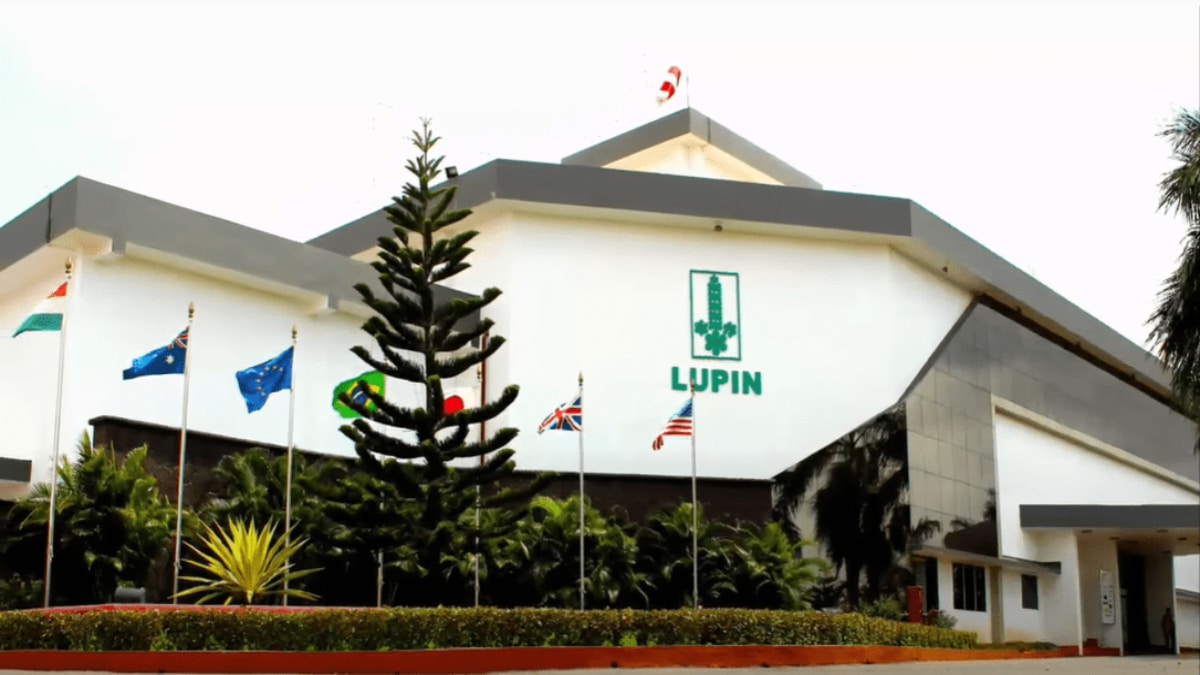
Global pharmaceutical major Lupin Limited has achieved a significant sustainability milestone with its greenhouse gas (GHG) emission reduction targets receiving official validation from the Science Based Targets initiative (SBTi). The approval covers Scope 1, Scope 2, and Scope 3 emissions, aligning Lupin’s climate strategy with the Paris Agreement’s 1.5°C pathway.
This validation places Lupin among a select group of global companies that have secured comprehensive SBTi approval across all emission scopes within a year of setting their climate targets. The development highlights the company’s structured, science-driven approach to climate action and long-term sustainability.
Under its validated targets, Lupin aims to reduce absolute Scope 1 and Scope 2 emissions by 42 percent by FY2030, using FY2023 as the base year. In addition, the company has committed to a 61.07 percent reduction in Scope 3 emissions by FY2033, measured against an FY2024 baseline. Scope 3 reductions will span key areas including purchased goods and services, fuel and energy-related activities, transportation and distribution, business travel, employee commuting, and the processing and use of sold products.
The targets have been validated under SBTi’s latest guidelines, reinforcing Lupin’s alignment with globally accepted climate science and strengthening its role in global decarbonisation efforts.
Commenting on the achievement, Ramesh Swaminathan, Executive Director, Global CFO, and Head of IT and API Plus SBU at Lupin, said that the SBTi validation reflects the company’s strong commitment to reducing emissions through a disciplined and science-based framework. He noted that sustainability is being actively integrated into Lupin’s financial and operational planning, guiding investments in renewable energy, energy efficiency initiatives, and low-carbon technologies across its global footprint.
He further emphasised that proactive climate action is not only critical for managing environmental risks and improving cost efficiencies, but also for driving innovation and supporting sustainable long-term growth.
