
How Fast Payments and Digital Money Are Changing Daily Life: Decoding the Future of Payment Systems
Money is moving faster than ever before. When you send money to a friend or pay for something online, it often arrives in seconds instead of days. At the same time, fewer people carry cash in their wallets. These two changes are reshaping how the world handles money.
Why Speed Matters
Traditional bank transfers used to take days to complete. If you paid someone on Friday, they might not see the money until Monday or Tuesday. Now, many countries have systems that move money instantly, any time of day or night. This matters for everyday people who need to split a dinner bill, pay rent, or send money to family members quickly.
Small businesses benefit too. They receive payments right away instead of waiting, which helps them manage their expenses better. Workers who get paid daily or weekly can access their earnings immediately rather than waiting for a scheduled payday.
The Disappearing Wallet
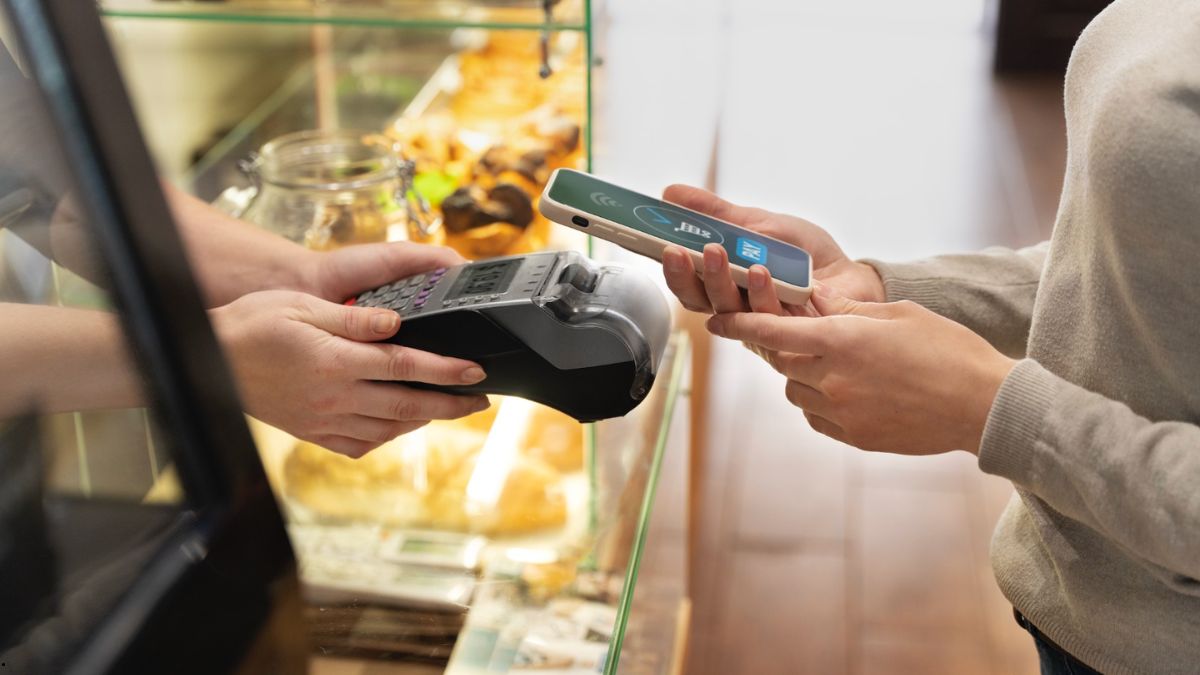
Cash is becoming less common in many places. People tap their phones or cards to pay for coffee, groceries, and bus rides. Some stores no longer accept paper money at all. During the recent pandemic, this shift happened even faster as people avoided touching cash and coins.
Younger people especially prefer paying with their phones or cards. They like seeing all their spending in one place and not worrying about losing physical money. Going cashless also means no more searching for exact change or making trips to the ATM.
What This Means for Everyone
These changes create both opportunities and concerns. Digital payments are convenient and create clear records of every purchase. Sending money across borders is becoming cheaper and faster. People without traditional bank accounts can use mobile payment apps to participate in the economy.
However, not everyone benefits equally. Older adults who are comfortable with cash sometimes struggle with new payment technology. People without smartphones or reliable internet access can feel left behind. There are also worries about privacy, since digital payments create a trail of where you go and what you buy.
Some communities still depend heavily on cash. Street vendors, small farmers, and workers in informal jobs often prefer physical money. If society moves too quickly away from cash, these people might face difficulties.
Looking Ahead
The future of payments will likely blend speed, convenience, and choice. Instant digital payments will continue growing, but cash probably won’t disappear completely. The challenge is making sure new payment methods work for everyone, not just those comfortable with technology.
Banks, technology companies, and governments are working to build systems that are fast, safe, and accessible to all. The goal is a world where moving money is as easy as sending a text message, while still giving people options that fit their needs and circumstances.
