

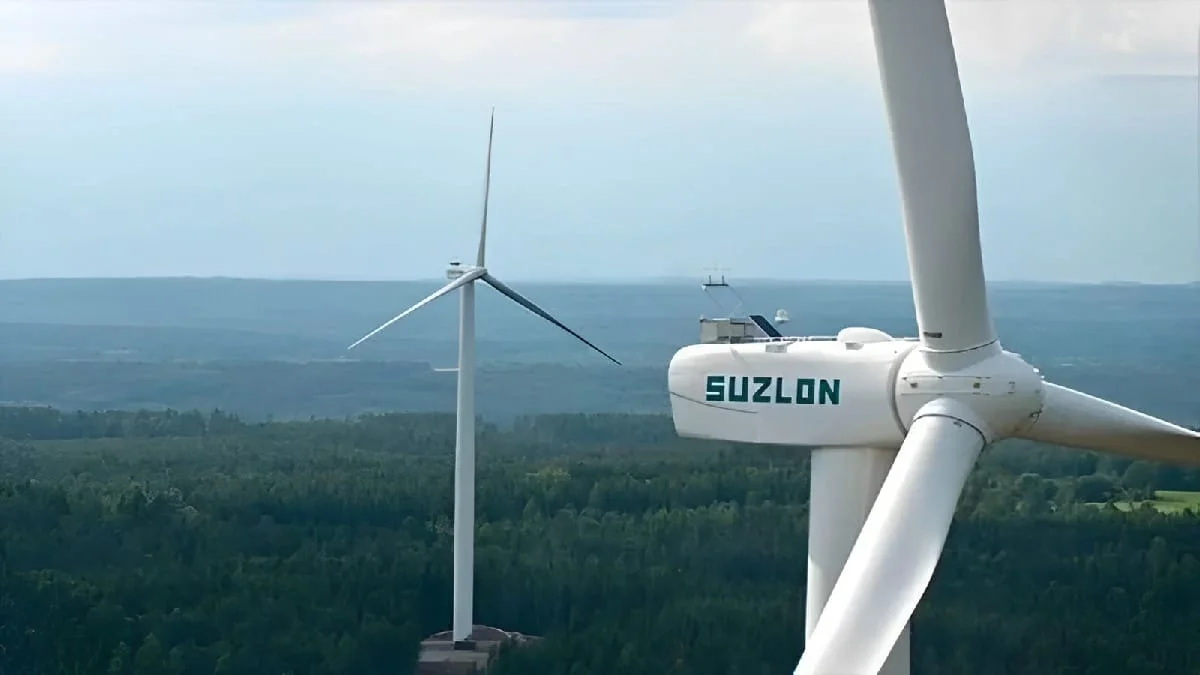
Suzlon Energy Q4 results: Revenue jumps 45%, EBITDA rises 39% YoY
Suzlon Energy reported a strong operational performance for the fourth quarter of FY26, driven by robust growth in its wind...
Latest News
ALL NEWS →
BRAND POST Indian Restaurant Congress Goes Global with Landmark London Edition During India Week 2026
JEOL: Sales Launch of the Laser SEM System “LazEdge” 26 mins ago
BUSINESS Kajaria Ceramics COO Rajveer Choudhary resigns citing personal reasons 27 mins ago
BUSINESS Ajmera Realty reports 46% revenue growth in FY26, driven by strong sales and collections 27 mins ago
QUARTERLY RESULTS Yatharth Hospital Q4 Results: Net profit Rises 23% YoY, EBITDA margin slips to 23.3%; Shares fall sharply over 5%
Shares of Yatharth Hospital & Trauma Care Services fell nearly 5% during Monday’s trading session despite the company…
1 hrs ago
Morgan Stanley sees TVS Motor rising 31% in a month — here’s the buyback play behind the call May 20, 2026
BUSINESS Ramco Cements wins six honours at Kyoorius Creative Awards 2026
The Ramco Cements Limited's Hard Worker campaign won six honours at the Kyoorius Creative Awards 2026, including the Grey Elephant Grand Prix…
46 mins ago
Yatharth Hospital Q4 Results: Net profit Rises 23% YoY, EBITDA margin slips to 23.3%; Shares fall sharply over 5% 1 hrs ago
Adani group stocks rise across the board on May 25, Adani Power leads with 5.55% gain 1 hrs ago
Saksoft Q4 Results: Net profit jumps 20% YoY to Rs 36 crore, margin expands; Shares rally sharply over 8% 1 hrs ago
Cosmic CRF shares drop 5% ahead of Q4 FY26 financial results announcement 2 hrs ago
Cockroach Janta Party beats BJP on Instagram, crosses 10 million followers in just 5 days May 21, 2026
Viral ‘Cockroach Janta Party’ nears BJP’s Instagram dominance as follower count races past 8 million May 21, 2026
How to Prevent FRP Lock from Triggering – Best Practices Before Selling or Gifting Your Android May 20, 2026
Paytm launches ‘Pocket Money’ for teenagers; Here’s how to enable May 18, 2026
eFootball 26 to end services in Russia and Belarus from June 15, Konami confirms May 15, 2026
Nation
MORE →
Supreme Court issues notice to Centre, NTA over NEET-UG 2026 paper leak allegations 3 hrs ago
Petrol crosses ₹100 in Delhi for first time as 4th fuel hike in 12 days adds ₹2.61 per litre 6 hrs ago
‘Anything India wants, they get’: Donald Trump praises PM Modi during live phone call at Delhi event 17 hrs ago
Top 5 OTT shows with the craziest cliffhanger endings
Some series end an episode and leave you curious for the next one. Others completely shock viewers and make waiting...
18 hrs ago
Top 5 films where one scene became more famous than the whole movie 18 hrs ago
Top 5 shows that are perfect if you loved Stranger Things 18 hrs ago
Chand Mera Dil Day 3 Box Office Collection: Ananya Panday-Lakshya film looks for stronger weekend push 19 hrs ago
Top 5 series with the most satisfying endings 19 hrs ago
Drishyam 3 Day 4 Box Office Collection: Mohanlal’s thriller continues strong run after crossing ₹100 crore worldwide 19 hrs ago
Top 5 bollywood friendship groups we all wanted to be part of 19 hrs ago
5 movies where the hero and villain had better chemistry than everyone else 19 hrs ago