
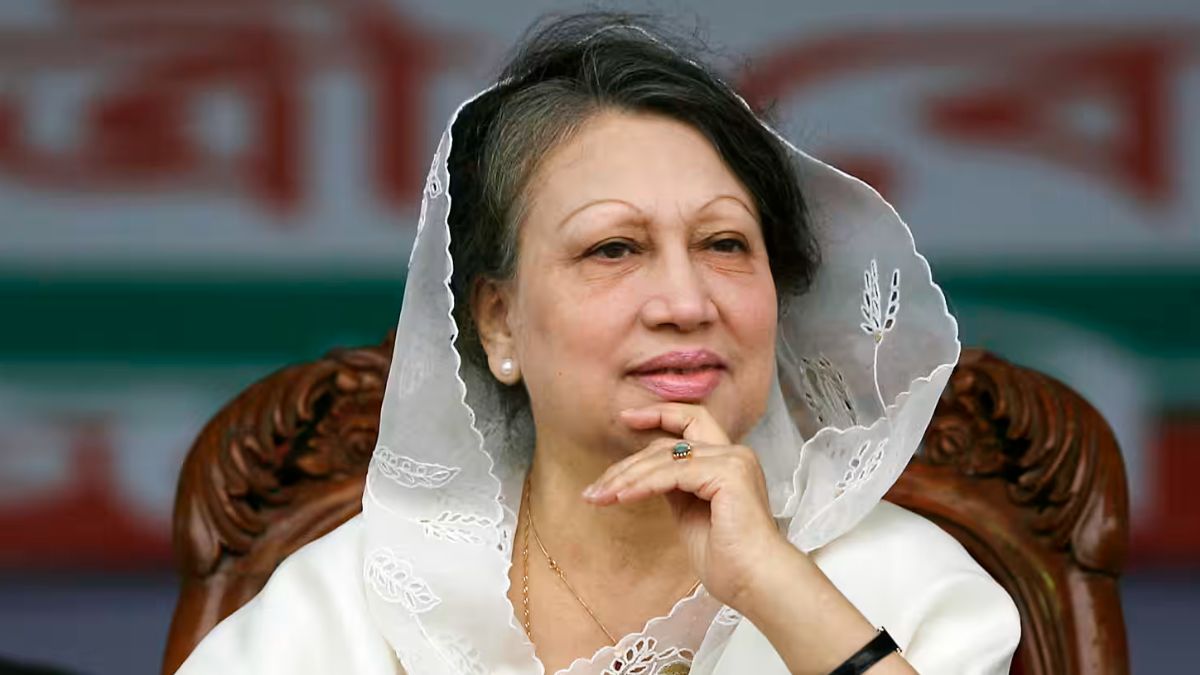
Khaleda Zia, Bangladesh’s first female prime minister and one of the most influential figures in the country’s political history, died at the age of 80 after a prolonged illness, according to a statement issued by her party, the Bangladesh Nationalist Party (BNP).
Her death has drawn national and international attention, with many seeking clarity on the medical reasons behind her passing after years of declining health.
Cause of Khaleda Zia’s Death
As per a Reuters report, Khaleda Zia had been suffering from advanced cirrhosis of the liver, a serious and irreversible condition that progressively damages liver function.
In addition to liver cirrhosis, she was also battling multiple chronic illnesses, including diabetes, arthritis, and long-standing heart and chest-related problems.
Who Was Khaleda Zia?
Khaleda Zia was a central figure in Bangladesh’s modern political history. Born on August 15, 1945, she entered politics following the assassination of her husband, Ziaur Rahman, the former President of Bangladesh and founder of the Bangladesh Nationalist Party.
She rose to prominence during the movement against military rule and went on to make history in 1991 by becoming Bangladesh’s first female prime minister through a democratic election. She served two major terms in office, from 1991 to 1996 and again from 2001 to 2006.
During her tenure, she played a key role in restoring parliamentary democracy and shaping Bangladesh’s political institutions. Her leadership years were marked by economic reforms, social development initiatives, and intense political rivalry that defined the country’s political discourse for decades.
