
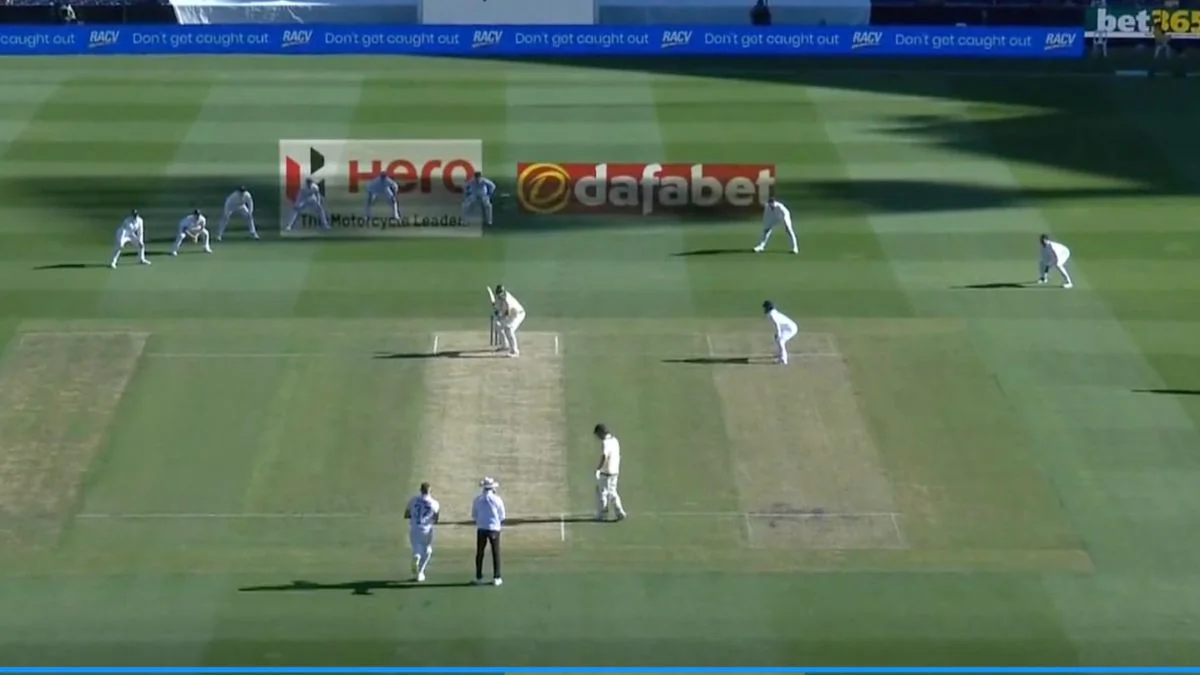
The Melbourne Cricket Ground pitch has become the centre of debate after 20 wickets fell on Day 1 of the ongoing Ashes Test, raising questions over whether the surface offered excessive assistance to fast bowlers.
With around 10mm of grass on the pitch—roughly 3mm more than the last Boxing Day Ashes Test at the venue—conditions heavily favoured seamers from the outset. Several deliveries were genuinely unplayable, with steep bounce, lateral movement and seam deviation testing even the best batters. Australia and England collectively collapsed, producing a day of cricket more reminiscent of the early 1900s than the modern era.
The scrutiny is significant given the ICC rated the MCG pitch “poor” in 2018 for being too flat, prompting criticism that it offered little to bowlers. This time, the pendulum appears to have swung the other way. While the pitch undeniably provided substantial assistance, questions are also being asked about shot selection and batting temperament, with multiple dismissals resulting from loose strokes and indecisive footwork rather than unplayable deliveries alone.
Players and analysts remain divided. Some argue the pitch has crossed the fine line between competitive and excessive, while others believe this is a welcome correction after years of batter-friendly surfaces—especially in an Ashes contest where balance and contest are paramount.
