
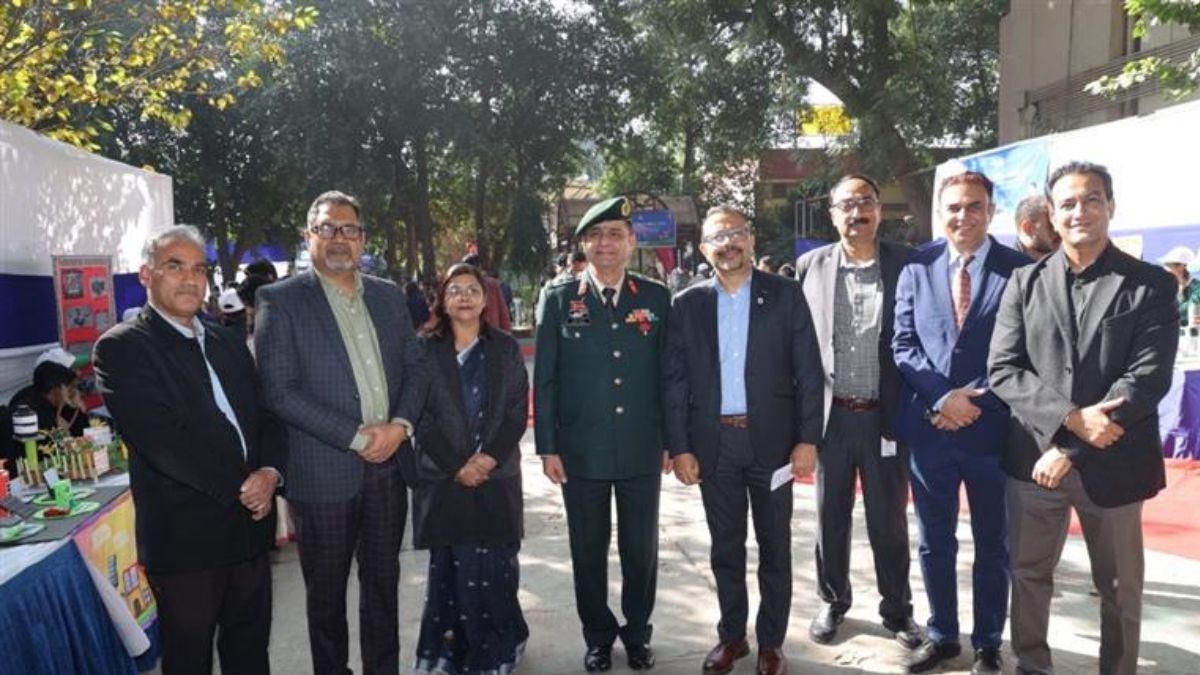
Tata Power hosted the National Urja Mela 2025 at the Tata Power–DDL Learning Center (CENPIED) in Rohini, Delhi, as part of National Energy Conservation Week, bringing together over 1,000 students and educators from 200 schools across 15 states.
Organised under Tata Power’s decade-old Club Enerji school engagement programme, the event marked the culmination of year-long learning initiatives focused on clean energy and sustainability. Students showcased STEM-based models and solutions aligned with the theme “Clean Energy, Greener Tomorrow” through science exhibitions, poster-making and quiz competitions.
Speaking on the occasion, Mr. Himal Tewari, CHRO and Chief – Sustainability & CSR, Tata Power, said:
“At Tata Power, we believe the transition to a cleaner energy future can only be sustained when it is driven by informed, responsible citizens. Platforms like the National Urja Mela, under our Club Enerji initiative, are instrumental in shaping this mindset from an early age. It is inspiring to see young students apply scientific thinking, collaborate across regions, and engage meaningfully with real-world energy and conservation challenges. When learning moves beyond the classroom and finds expression in everyday choices, that is when lasting change truly begins.”
The event was attended by Brigadier Atulya Bamjai, Deputy Director General, NCC, as Chief Guest and Pramod Katiyar, Deputy Director of Education, New Delhi, as Guest of Honour. Senior Tata Power leaders were also present. The programme included workshops, expert interactions and educational exposure visits.
Speaking on the occasion, Mr. Dwijadas Basak, CEO, Tata Power–DDL, said: “This platform brings together students from diverse regions across the country, fostering meaningful learning, collaboration, and the exchange of ideas. Through Urja Mela, we are moulding young students from an early age to build awareness about climate change, sustainability, and clean energy. By nurturing a new generation of informed and responsible leaders, we aim to empower them to drive sustainable change within their communities. Encouraging peer learning and the sharing of best practices further strengthens their commitment to resource conservation and a greener tomorrow.”
