

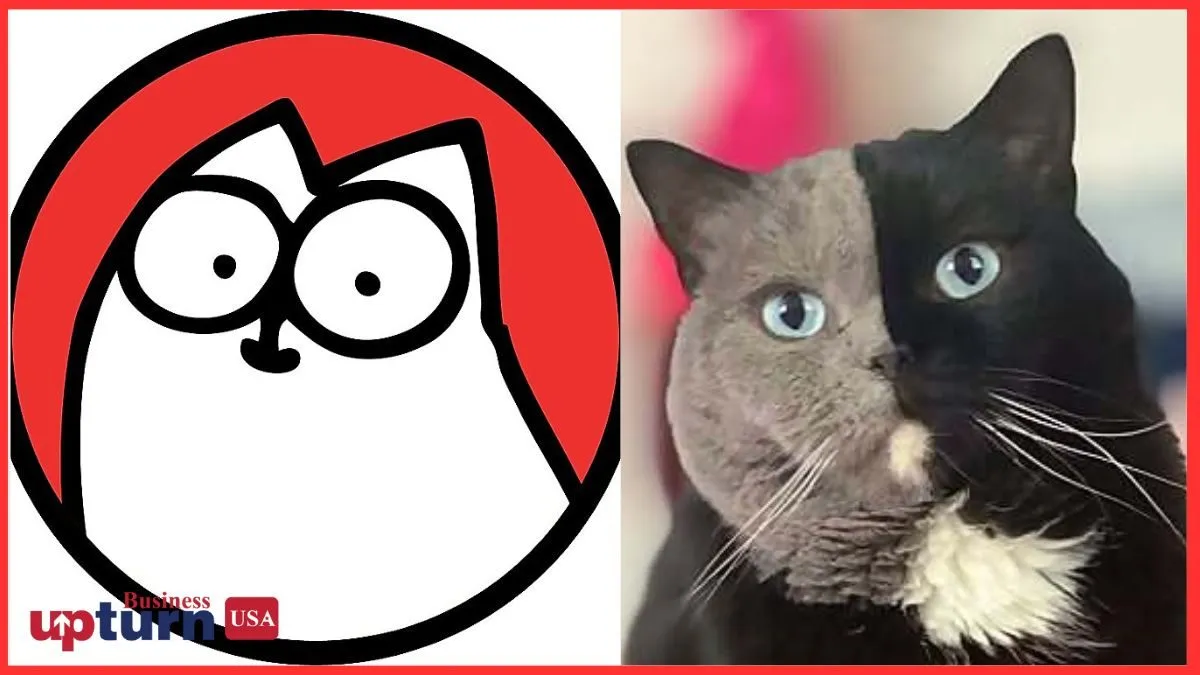
In today’s digital age, pet influencers have emerged as a powerful and highly profitable niche within social media and online entertainment. Among the standout examples are Simon’s Cat and Amazingnarnia, two globally adored pet personalities with distinctive business approaches. While Simon’s Cat has captured audiences through clever animations, Amazingnarnia leverages real-life pet charm in engaging digital content. Both have cultivated robust U.S.-centric business models, converting follower engagement into multiple revenue streams. This article explores how these two pet influencers generate income, their monetisation strategies, and the lessons U.S.-based marketers and fans can learn from their success.
Simon’s Cat: From Adorable Animations to Multi-Stream Revenue in the U.S.
Simon’s Cat, created by British animator Simon Tofield, is a globally recognised animated character. Despite its UK origins, Simon’s Cat has strategically tailored its monetisation model for the U.S., capitalising on the vast American market for pet-related content and merchandise.
Animation and Video Content: YouTube Monetisation and Sponsored Partnerships
Simon’s Cat began as short, humorous animations showcasing the antics of a mischievous feline. These videos quickly found a receptive audience on YouTube, one of the primary platforms driving revenue in the U.S. Here, the influencer generates income through several key mechanisms:
- YouTube Ad Revenue: Simon’s Cat videos attract millions of views from U.S. viewers. Using YouTube’s ad revenue-sharing model, each million views can translate into thousands of dollars, depending on CPM rates. High engagement from U.S. audiences increases the value of these ads significantly.
- Sponsored Content and Brand Partnerships: Simon’s Cat collaborates with pet brands, toy manufacturers, and lifestyle companies. Sponsored animations subtly integrate products while maintaining the charm and humour that fans love, resulting in lucrative brand deals.
- Streaming Platforms and Digital Licensing: Some Simon’s Cat episodes are available on streaming services, generating licensing fees and expanding audience reach in the U.S., where digital streaming consumption is exceptionally high.
Merchandise and Licensing: From Print to Plush Toys
Beyond videos, Simon’s Cat has built a highly successful merchandise empire, which remains a cornerstone of its U.S. income. This includes:
- Print and Books: Simon’s Cat storybooks, comic strips, and illustrated guides are widely sold in U.S. bookstores and online retailers.
- Plush Toys and Collectibles: Branded toys and collectibles cater to pet enthusiasts and children, with licensing agreements allowing for widespread retail distribution.
- Limited Edition Products: Occasional collaborations with U.S. lifestyle brands introduce limited edition merchandise, adding exclusivity and boosting sales.
This merchandise strategy capitalises on brand loyalty, translating digital adoration into tangible revenue streams.
Social Media Influence and Brand Collaborations
Simon’s Cat maintains a strong presence on Instagram, TikTok, and Twitter, engaging millions of U.S. followers. These platforms serve multiple monetisation purposes:
- Sponsored Posts: U.S. pet product brands and lifestyle companies pay for curated posts, leveraging Simon’s Cat’s visual storytelling.
- Affiliate Marketing: Select collaborations include affiliate links, allowing direct conversion of follower engagement into sales.
- Audience Expansion for Merchandise: Social media campaigns support merchandise sales, promoting new books, toys, and limited editions directly to fans.
By integrating these channels, Simon’s Cat ensures a diverse and resilient U.S.-focused revenue model.
Amazingnarnia’s Digital Pet Empire: Unique U.S.-Focused Monetisation Strategies
Amazingnarnia, a real-life pet influencer, has captured hearts with playful, relatable content featuring its charismatic animal cast. Unlike Simon’s Cat’s animated approach, Amazingnarnia leverages the authenticity of real pets, resonating strongly with U.S. audiences who value genuine connections.
High-Engagement Video Content: YouTube Shorts and TikTok Monetisation
Amazingnarnia has effectively harnessed short-form content platforms that dominate U.S. social media:
- YouTube Shorts and Ad Revenue: Quick, engaging videos attract high viewership. Monetisation occurs through YouTube’s Shorts Fund and ad revenue sharing, which is increasingly lucrative in the U.S.
- TikTok Sponsorships: With TikTok’s growing influence, Amazingnarnia partners with U.S. brands for sponsored challenges, product placements, and collaborative content.
- Exclusive Digital Content: Some videos are monetised through subscription models on platforms like Patreon, where dedicated fans can access behind-the-scenes footage and interactive content.
Merchandise and Custom Products
Amazingnarnia extends its income through a well-curated merchandise line. Unlike Simon’s Cat, which primarily leverages animated character appeal, Amazingnarnia focuses on products reflecting the real pet personalities:
- Branded Apparel and Accessories: Hoodies, T-shirts, and pet accessories featuring Amazingnarnia’s iconic pets are marketed to U.S. consumers.
- Custom Collectibles: Limited-edition plush toys and figurines, often inspired by viral video moments, create high-demand opportunities.
- Digital Products: Wallpapers, stickers, and emoji packs provide lower-cost, scalable revenue, particularly appealing to U.S. digital-native audiences.

Brand Collaborations and Affiliate Marketing
Amazingnarnia has cultivated partnerships with U.S. pet brands, lifestyle products, and e-commerce platforms. Revenue is generated through:
- Sponsored Social Media Campaigns: Posts and reels integrate products naturally into content, maintaining authenticity.
- Affiliate Revenue: Links to pet food, toys, and lifestyle items earn commissions from sales, creating a direct connection between audience engagement and monetisation.
- Event Appearances and Media Features: U.S. brands often feature Amazingnarnia in digital campaigns or live events, adding a supplementary revenue layer.
Comparing Income Streams: Merchandise, Sponsorships, and Digital Content
Both Simon’s Cat and Amazingnarnia exemplify the diverse ways U.S. pet influencers monetise digital popularity. However, their approaches differ substantially, reflecting the unique appeal of animation versus real-life pet personalities.
Merchandise Strategies: Tangible vs. Character-Based Products
- Simon’s Cat: Focuses on character-driven merchandise such as books, plush toys, and collectibles. The key advantage is scalability; the animated character can be reproduced endlessly without logistical challenges of live animals.
- Amazingnarnia: Leverages real pets for products that celebrate authenticity, such as custom plush toys and lifestyle accessories. This approach resonates with audiences seeking tangible connections to beloved real-life pets.
Sponsorships and Brand Partnerships
Both influencers capitalise on sponsorships but in distinct ways:
- Simon’s Cat: Sponsored content often aligns with the animation’s humorous and universal appeal. U.S. companies benefit from family-friendly, widely shareable content.
- Amazingnarnia: Brand partnerships are more experiential and lifestyle-oriented. Real pets interacting with products provide relatable endorsements that influence U.S. consumer behaviour directly.
Digital Monetisation Channels
- Simon’s Cat: Primarily through YouTube ad revenue, licensing, and streaming deals, enhanced by social media cross-promotion.
- Amazingnarnia: Short-form videos on TikTok and YouTube Shorts dominate, supplemented by subscription-based platforms like Patreon for exclusive content, creating a direct fan-to-creator revenue channel.
Emerging Revenue Channels and U.S. Market Opportunities
Looking ahead, both influencers are exploring innovative revenue streams to maximise U.S. market potential.
- Virtual and Augmented Reality Experiences: Simon’s Cat could develop immersive digital experiences, turning classic animations into interactive content, a potentially untapped U.S. revenue stream.
- NFTs and Digital Collectibles: Amazingnarnia has the opportunity to capitalise on digital collectibles featuring its pets, appealing to tech-savvy U.S. audiences.
- Subscription Boxes and Pet Products: Both influencers could expand into curated pet subscription boxes, combining brand merchandise with third-party products, creating recurring revenue and deepening audience engagement.
Conclusion: Lessons from U.S.-Centric Pet Influencer Business Models
Simon’s Cat and Amazingnarnia exemplify the evolving landscape of pet influencer monetisation in the U.S. While Simon’s Cat relies on timeless animated content, merchandise, and licensing, Amazingnarnia thrives on authentic engagement, short-form videos, and lifestyle-oriented products. Together, they demonstrate that success in the U.S. pet influencer market requires a strategic blend of creativity, multi-channel monetisation, and audience-centric product offerings.
Future U.S. pet influencer strategies are likely to emphasise experiential and interactive content, merging physical and digital products, while maintaining authenticity and relatability. Brands and content creators observing these models can gain invaluable insights into generating sustainable income from pet-focused media. In essence, Simon’s Cat and Amazingnarnia show that monetising happiness—whether animated or real—is both an art and a business in the American market.
This article is intended solely for informational and editorial purposes. It does not constitute endorsement or promotion of any artificial intelligence technology. Business Upturn makes no representations or warranties regarding the accuracy, completeness, or reliability of the information provided.