

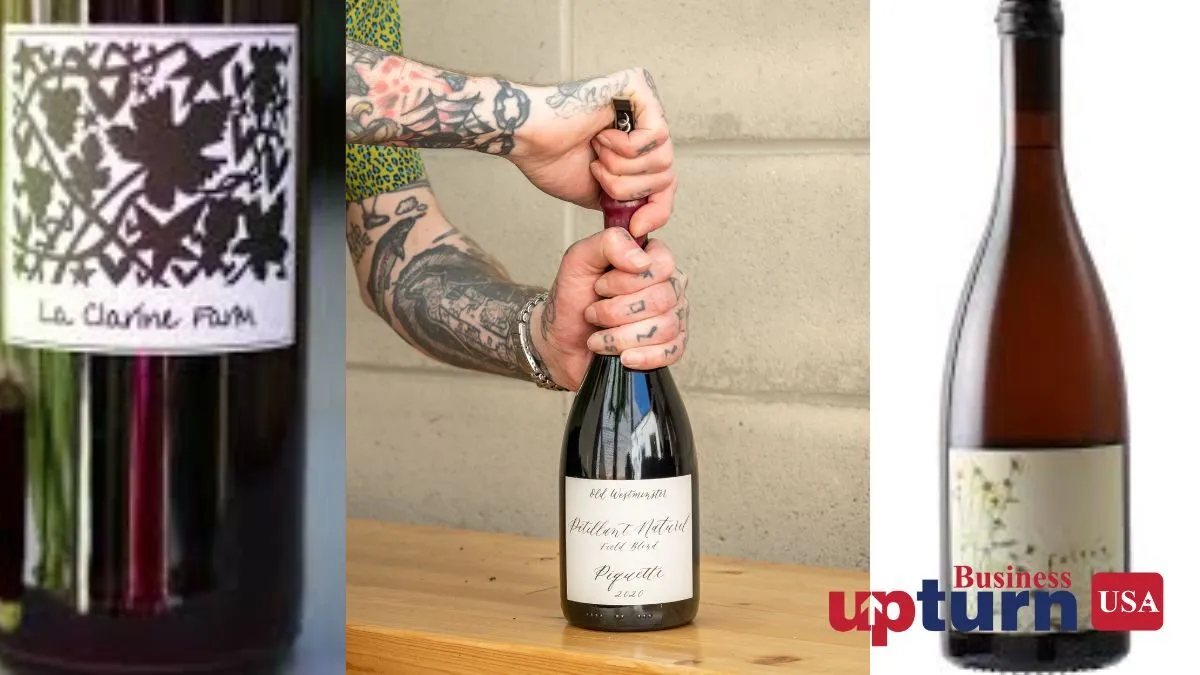
In 2025, the American wine scene is experiencing a powerful resurgence of authenticity and ecological consciousness, spearheaded by the revival of traditional raw wine. This movement emphasizes wines crafted with minimal intervention—meaning little to no additives, no synthetic chemicals, spontaneous fermentation with native yeasts, and often unfiltered bottling. In the United States, “traditional raw wine” aligns closely with natural wine principles, yet it distinguishes itself through a stricter devotion to ancestral practices, often rooted in Old World methodology adapted to New World terroir.
This trend matters because it represents more than a stylistic shift; it signals a cultural and environmental pivot in American winemaking. As consumers become more attuned to provenance, purity, and sustainability, the demand for traditional raw wine in the USA has surged. And it’s not a fringe movement anymore—these wines are winning awards, capturing sommeliers’ attention, and dominating curated wine club lists.
What is raw wine? Understanding the minimal-intervention movement in the USA
Raw wine refers to wines made with as little human intervention as possible from grape to bottle. In the U.S. context, this means:
- Grapes are farmed organically or biodynamically (no synthetic herbicides, pesticides, or fertilizers).
- Native yeasts are used for fermentation, avoiding lab-cultured strains.
- Wines are typically unfined and unfiltered.
- No or extremely low levels of sulfur dioxide (SO2) are added.
- Winemakers employ gravity rather than pumps, hand-harvesting, and old-school fermentation vessels (e.g., clay amphorae, large neutral oak, or concrete).
The minimal-intervention philosophy in the U.S. has developed uniquely due to diverse terroirs across California, Oregon, Washington, and even up-and-coming regions like New York and Texas. Unlike mass-market natural wines, which can be inconsistent, traditional raw wines in 2025 are increasingly refined, age-worthy, and recognized by major wine critics.
How traditional raw wines are shaping America’s natural wine renaissance
The traditional raw wine movement has done more than challenge industrial winemaking; it has redefined what quality means in a bottle of American wine. Winemakers are returning to pre-Prohibition methods, rediscovering forgotten grape varieties, and reviving dry-farming techniques in drought-prone regions. The outcome? Wines that express their origin vividly and resonate with eco-conscious consumers.
In 2025, traditional raw wine is no longer relegated to Brooklyn bistros and West Coast farmers’ markets. It is winning gold medals at Decanter and receiving praise in Wine Enthusiast. From Michelin-starred restaurants to boutique hotel wine lists, these wines are now key players in the premium wine conversation.
Best performing traditional raw wines in the USA: a 2025 review
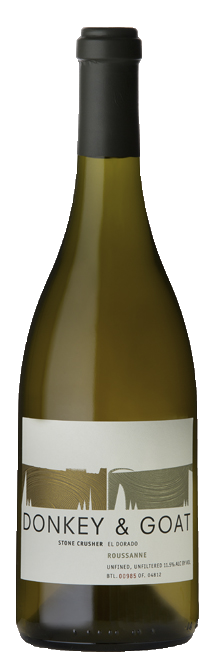
1. Donkey & Goat “Stone Crusher” Roussanne – Berkeley, California
- Vineyard and location: El Dorado AVA, Sierra Foothills, California
- Year of release: 2022 (performing strongly through 2025)
- Grape variety: Roussanne
- Traditional/raw methods: Skin-fermented for 12 days, native yeast, no fining or filtering, minimal SO2
- Tasting notes: Orange peel, apricot, herbal tea, firm tannins, mineral backbone
- Awards or recognition: Top 100 Wines by Wine & Spirits Magazine (2024)
- Market performance: Tripled its distribution in high-end natural wine bars across the U.S.
- Why it’s a top performer: A benchmark for American orange wines, it balances rustic charm with serious structure.
2. Las Jaras “Glou Glou” Red Blend – Mendocino, California
- Vineyard and location: Mendocino County
- Year of release: 2023
- Grape variety: Zinfandel, Carignan, Petit Syrah
- Traditional/raw methods: Carbonic maceration, spontaneous fermentation, unfined/unfiltered
- Tasting notes: Juicy raspberry, watermelon rind, bright acidity, chillable red
- Awards or recognition: Gold at RAW Wine LA 2024
- Market performance: Best-seller on wine e-commerce platforms such as Dry Farm Wines and Primal Wine
- Why it’s a top performer: An approachable gateway into raw reds, praised for consistency and drinkability.

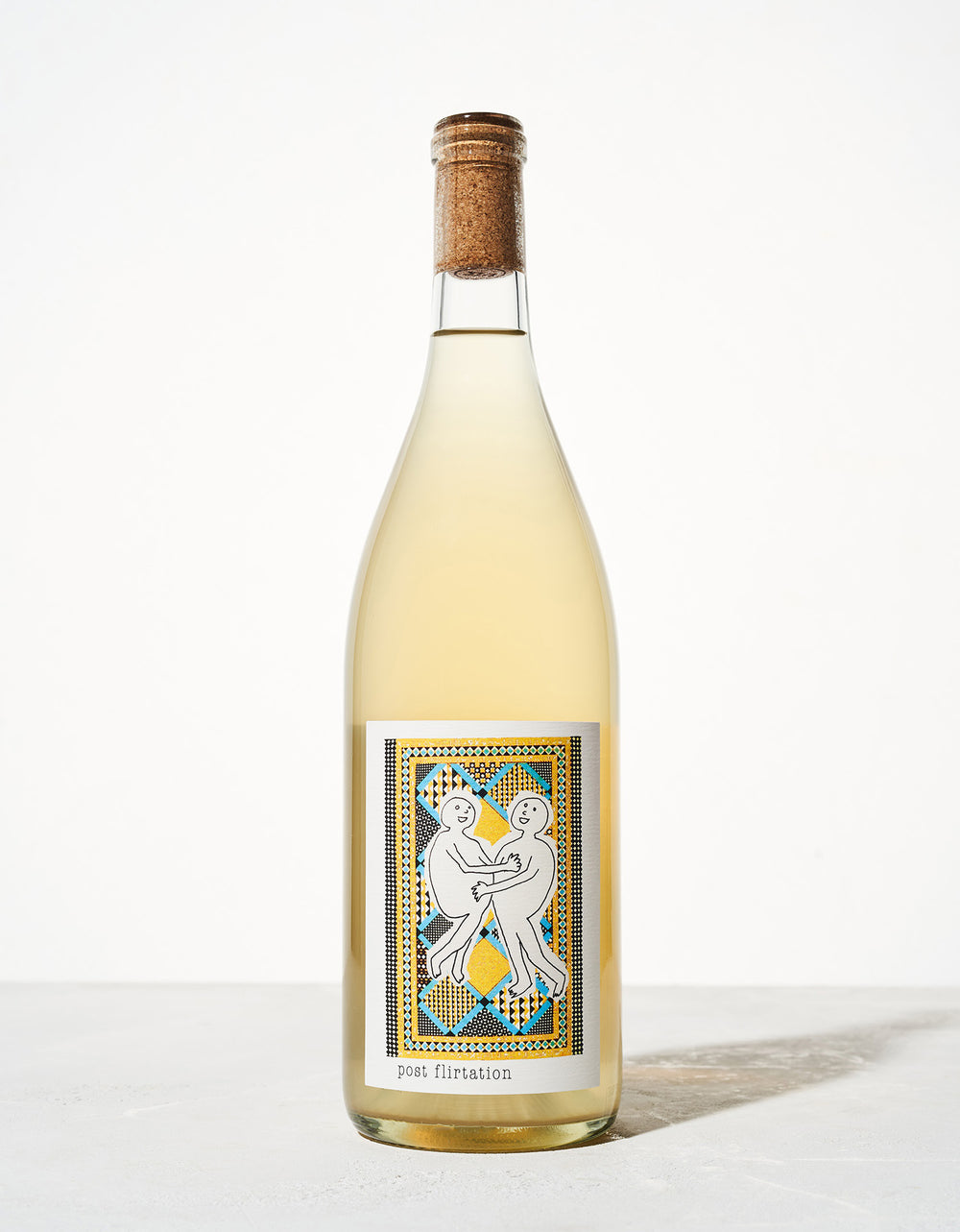
3. Martha Stoumen Wines “Post Flirtation” White – Sonoma, California
- Vineyard and location: Suisun Valley and Mendocino
- Year of release: 2024
- Grape variety: Colombard, Vermentino, Muscat
- Traditional/raw methods: Whole-cluster pressing, natural fermentation, no additives
- Tasting notes: White peach, lime zest, jasmine, slightly cloudy
- Awards or recognition: 92 points from Wine Enthusiast, Editor’s Choice (2025)
- Market performance: Featured in over 200 independent wine shops nationwide
- Why it’s a top performer: Combines rarity with flavor precision; a darling among sommeliers.
4. Hiyu Wine Farm “Falcon Box” Field Blend – Hood River, Oregon
- Vineyard and location: Columbia Gorge AVA
- Year of release: 2022
- Grape variety: Mixed co-fermentation of up to 30 varietals
- Traditional/raw methods: Biodynamic farming, clay amphora fermentation, no sulfur added
- Tasting notes: Earthy funk, sour cherry, spice box, complex and evolving
- Awards or recognition: James Beard Foundation featured wine (2024)
- Market performance: Limited release, sells out via allocation in days
- Why it’s a top performer: A masterclass in field blending and terroir storytelling.
5. Old Westminster “Co-Ferment” – New Windsor, Maryland
- Vineyard and location: Estate vineyard in central Maryland
- Year of release: 2023
- Grape variety: Blaufränkisch, Vidal Blanc, and Chambourcin
- Traditional/raw methods: Spontaneous co-fermentation, native yeasts, aged in neutral oak
- Tasting notes: Cranberry, wildflowers, crisp minerality, slight effervescence
- Awards or recognition: Featured in Forbes and Bon Appétit‘s wine editions (2025)
- Market performance: Top-selling natural wine on the East Coast
- Why it’s a top performer: Showcases innovation outside traditional wine regions.

6. La Clarine Farm “Jambalaia Rouge” – Somerset, California
- Vineyard and location: Sierra Nevada Foothills
- Year of release: 2022
- Grape variety: Mourvedre, Tempranillo, Syrah
- Traditional/raw methods: Dry-farmed vineyards, native yeast, no fining
- Tasting notes: Dark berries, pepper, rustic texture, lifted acidity
- Awards or recognition: Best of Class, California Artisan Wine Festival 2024
- Market performance: Significant cult following in Northern California
- Why it’s a top performer: Aged naturally, it highlights how restraint can enhance complexity.
7. Division Winemaking Company “L’Isabelle” Chardonnay – Willamette Valley, Oregon
- Vineyard and location: Eola-Amity Hills
- Year of release: 2023
- Grape variety: Chardonnay
- Traditional/raw methods: Spontaneous fermentation in neutral oak, malolactic fermentation, no filtering
- Tasting notes: Lemon curd, flint, almond skin, saline edge
- Awards or recognition: 95 points from Wine & Spirits, Top 10 American Chardonnays 2024
- Market performance: Widely distributed in fine dining restaurants
- Why it’s a top performer: Proof that elegance and minimalism can co-exist in American Chardonnay.

Where to buy the best raw traditional wines in the USA in 2025
If you’re looking to explore traditional raw wine in the USA, these curated sources are your best bet:
- Primal Wine (online): Specializes in natural and raw wines with detailed provenance info.
- Dry Farm Wines (subscription club): Focuses exclusively on lab-tested, low-intervention wines.
- Verve Wine (New York, Chicago, San Francisco): Boutique selection with strong sommelier curation.
- Chambers Street Wines (NYC): A pioneer in natural wines with a deep raw wine portfolio.
- Bacchus Wine Shop (LA): Known for small-batch and imported raw wines, including American standouts.
- Wright’s Wine Club (Oregon): Direct access to exclusive Oregon raw labels like Hiyu and Division.
Conclusion
Traditional raw wine in the USA has evolved from a niche curiosity to a cultural force in 2025. These wines offer more than a sensory experience; they carry ecological intent, artisanal pride, and regional identity. As climate change reshapes agricultural practices and consumers push for authenticity, the growth of minimal-intervention wine from California, Oregon, Maryland, and beyond is poised to continue.
With each vintage, traditional raw wine USA 2025 is defining what modern American wine should taste like—alive, unpredictable, and undeniably real.
Disclaimer: Consumption of liquor is injurious to health and Business Upturn does not promote or advertise the featured brand(s) or suggest ingesting liquor through this article. Business Upturn does not guarantee the accuracy of information in this article.