

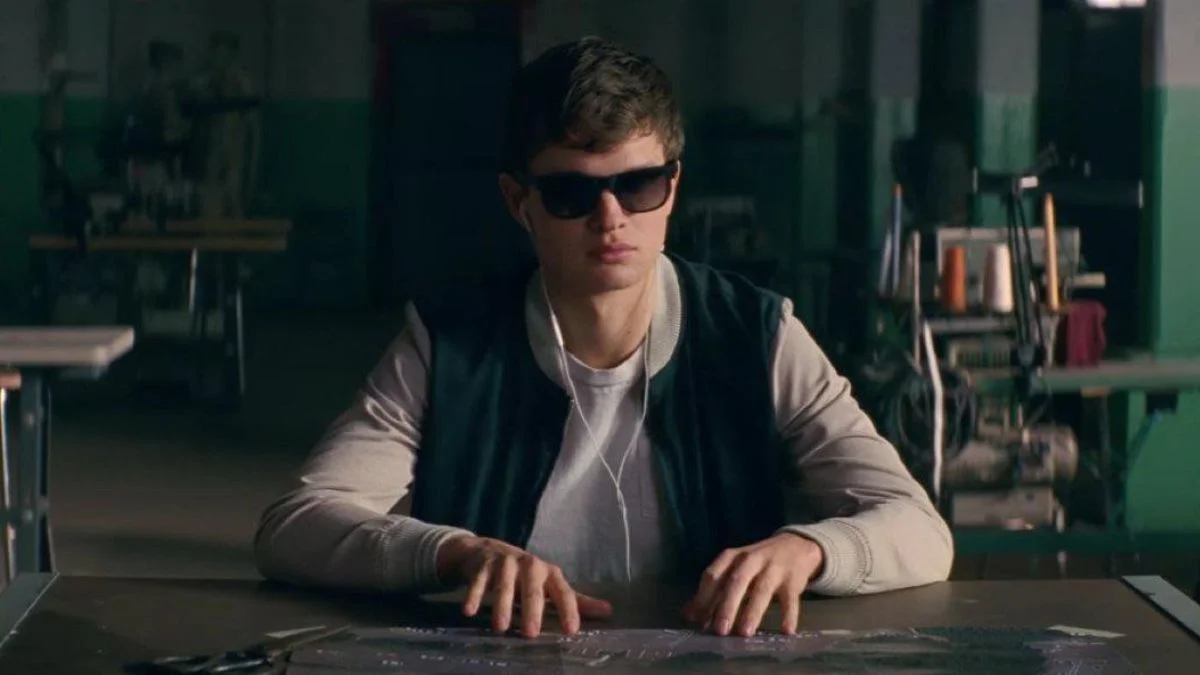
When your life feels like it’s always “on camera,” it usually means you’ve started to experience yourself from the outside instead of from within.
It’s not that someone is actually watching you all the time. It’s that you feel watched. Your mind has picked up the habit of observing, judging, and shaping your actions as if they are being seen, even in completely private moments.
At first, this can feel subtle. You might just become more aware of how you speak, how you sit, how you react. But over time, that awareness grows into something constant. You are not just living your life, you are also monitoring it.
That creates a kind of pressure that is hard to switch off.
When you feel “on camera,” your actions stop being fully natural. You may start adjusting small things without even realizing it, your tone, your expressions, your behavior. Even your thoughts can feel slightly filtered. It is like you are always trying to match an invisible standard.
This splits your attention.
Part of you is in the moment, and another part is watching how you exist in that moment. That split takes energy, and it slowly becomes exhausting. Even simple activities can feel heavier because you are never fully at rest.
There is also a loss of privacy within yourself. Normally, private moments are where you relax, where you are unfiltered and free from judgment. But when you feel like you are always being seen, even those moments lose their ease. You might find it hard to completely let go or be fully yourself.
Another layer is emotional control. When you feel observed, you may try to manage how your emotions appear. You might soften them, hide them, or reshape them so they feel more “acceptable.” Over time, this creates distance between what you feel and what you allow yourself to express.
This feeling often comes from constant exposure to being seen, whether through social media, attention from others, or even just a habit of overthinking your self-presentation. Eventually, that external awareness becomes internalized.
The difficult part is that there is no clear off switch. Even when you are alone, the feeling can stay.
But it can soften.
It starts by creating moments where you consciously step out of that observer role. Doing things without thinking about how they look. Letting yourself act a little messily, speak without perfect wording, or just sit without analyzing anything.
At first, it might feel uncomfortable because you are used to that level of control. But slowly, your mind learns that it does not need to be “on” all the time.
You are not meant to live as if you are being watched. You are meant to have spaces where you are completely unobserved, even by yourself.