

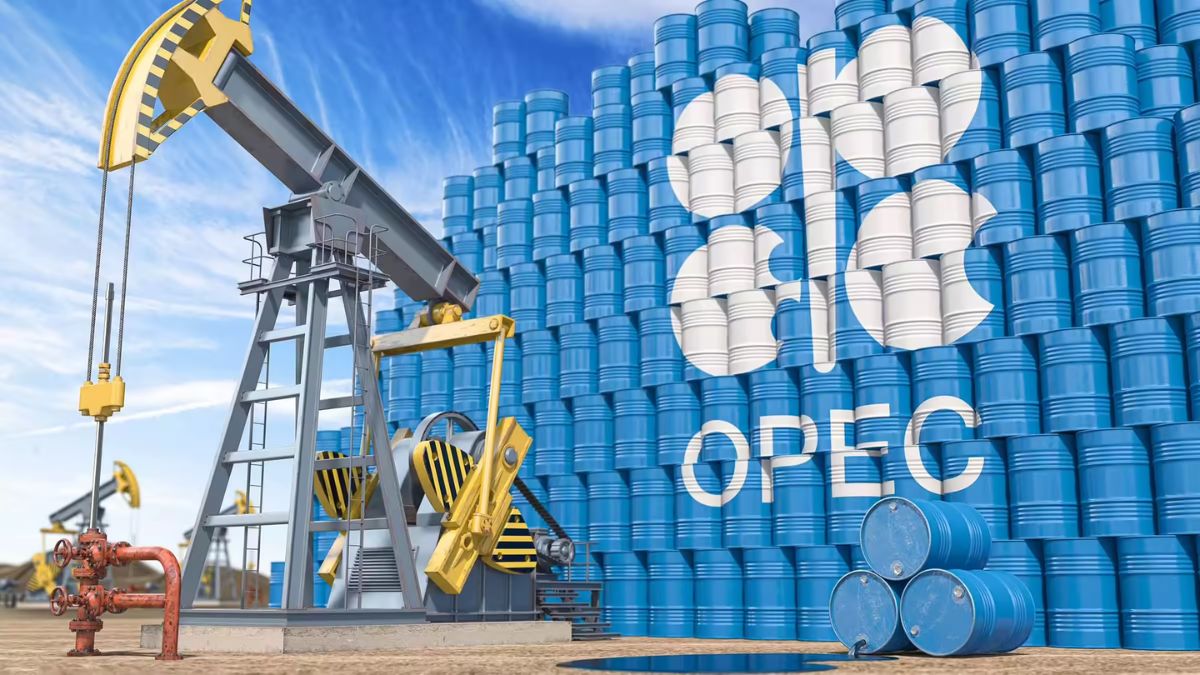
The United Arab Emirates has decided to leave OPEC and OPEC+ starting May 1. This marks a major shift in global oil dynamics.
The decision was reported by WAM. Officials said the move will allow the country to increase oil production more freely.
By exiting the group, the UAE will no longer be bound by production limits. These limits are usually set by OPEC to control global oil supply and stabilize prices.
The UAE now wants more flexibility. It plans to gradually raise output in the coming months.
UAE oil strategy focuses on future demand
The UAE believes this step will help it adapt to changing global demand. Energy markets are shifting fast. Countries are adjusting strategies to stay competitive.
The UAE has invested heavily in its oil capacity in recent years. It now wants to fully use that capacity. Leaving OPEC gives it the freedom to do that.
This move could impact global oil prices. If production rises, supply may increase. That can put pressure on prices over time.
At the same time, it may also create tensions within the oil market. OPEC has long played a key role in managing supply. A major producer leaving the group is a big development.
For now, all eyes are on how quickly the UAE increases output and how other oil producing nations respond.