

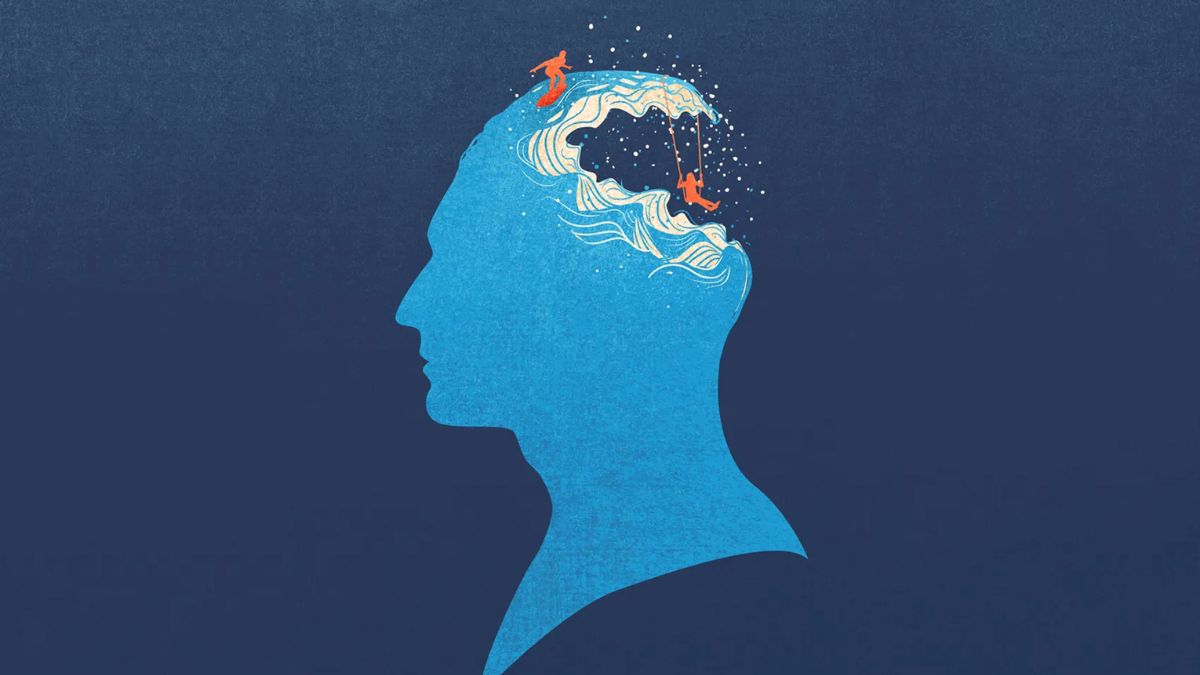
Resistance to change is the internal pushback a person feels when they are faced with something new, unfamiliar, or different from what they are used to. It is not always a conscious decision. More often, it is an automatic emotional and mental response that tries to keep things stable, even when change might be necessary or beneficial.
At its core, resistance to change comes from the brain’s preference for predictability. Familiar situations feel safer because the mind already knows how to navigate them. Change introduces uncertainty, and uncertainty requires adaptation, which the mind often interprets as risk.
One of the main reasons this resistance appears is fear of the unknown. When outcomes are not clear, the mind fills the gap with doubt or worst-case thinking. This creates hesitation, even if the current situation is not fully satisfying.
Another reason is emotional attachment to the existing state. People become used to their habits, routines, environments, and even their struggles. Over time, these patterns feel normal. Even discomfort can feel familiar, and familiarity often gets mistaken for safety.
Resistance to change is also linked to identity. When something changes, it can feel like a shift in who a person is. If someone strongly identifies with their current lifestyle, role, or belief system, change can feel like a threat to that identity rather than just a practical adjustment.
Another important factor is effort. Change usually requires learning, adapting, and breaking old patterns. This demands mental and emotional energy. The brain naturally prefers efficiency, so it resists processes that require more effort than the current routine.
Fear of failure also contributes. When change involves trying something new, there is always the possibility of not doing well at first. This discomfort can lead to avoidance, even when long-term growth is possible.
Social influence plays a role as well. People may resist change because of how it will be perceived by others or because it disrupts shared expectations. This can create pressure to stay the same even when internal awareness suggests otherwise.
Sometimes resistance is not loud or obvious. It can appear as procrastination, overthinking, delaying decisions, or finding reasons to stay in the current situation. These subtle forms of avoidance help maintain familiarity without directly confronting the need for change.
The challenge with resistance to change is that it can keep a person stuck in patterns that no longer align with who they are becoming. Even when there is awareness that something needs to shift, resistance slows down action and creates internal conflict.
However, resistance is not inherently negative. It is a protective mechanism designed to prevent sudden or unsafe disruptions. In many cases, it slows change enough for the mind and emotions to adjust gradually rather than abruptly.
As awareness grows, resistance becomes easier to understand rather than fight. People begin to notice that the discomfort they feel is often about uncertainty, not actual danger. This shift in understanding makes it easier to take small steps instead of avoiding change completely.
Over time, change becomes less threatening as experience builds. The mind learns that not all unfamiliar situations lead to harm, and that many transitions can be handled gradually. This reduces the intensity of resistance.
In the end, resistance to change is a natural response to uncertainty, effort, and emotional attachment to familiarity. It does not mean a person cannot grow. It simply means that growth often begins with hesitation, and progress happens when that hesitation is met with small, steady steps instead of avoidance.