

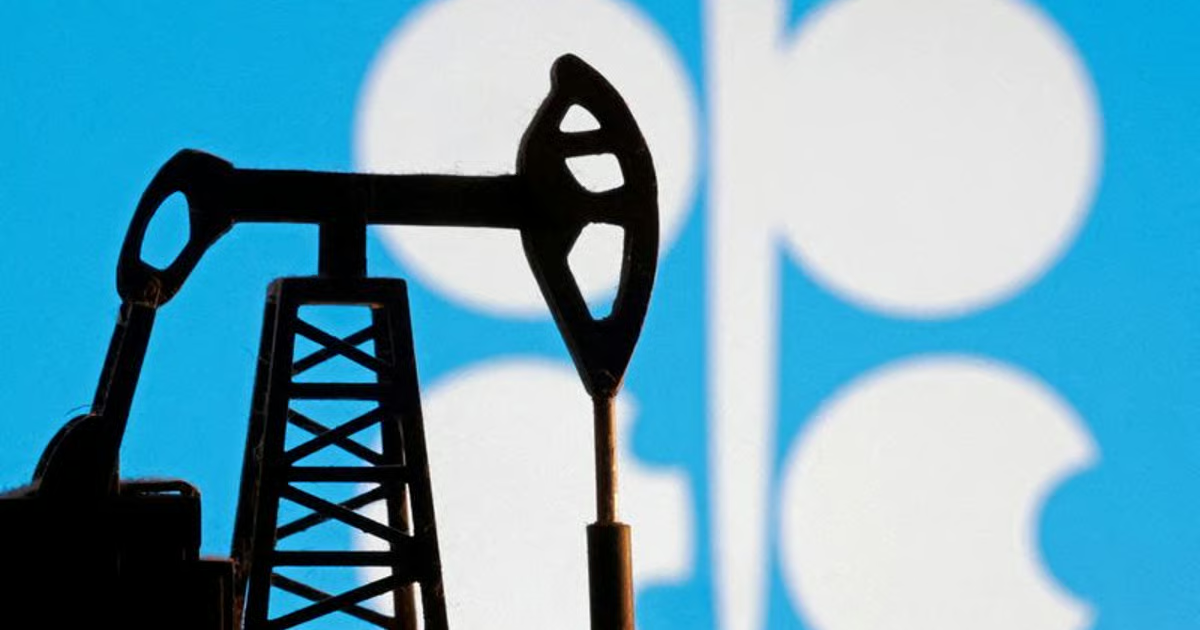
On Tuesday, the global energy landscape experienced another serious disruption when the UAE announced it would leave OPEC and the wider OPEC+ group effective May 1. With tensions over production quotas having caused much speculation about the UAE leaving, this exit represents a major blow to the oil cartel at the same time as the ongoing conflict between Iran and Saudi Arabia has already caused the largest supply disruption in history.
The Iran conflict, which began in late February, has disrupted flow through the Strait of Hormuz, which handles nearly 20% of all oil trades globally, as the Iranians have attacked Gulf producers’ infrastructure and threatened shipping in the region. Consequently, the Gulf producers closed in excess of 10 million barrels per day (bpd) of production capacity as a result. Brent crude prices reached an all-time high of approximately $120 per barrel and are now at an elevated level of about $100-$110 per barrel, with analysts warning of longer-term upward pressure on fuel prices around the globe. The International Energy Agency (IEA) has called this crisis unprecedented and has additionally caused shortages of crude oil, refined petroleum products, and even LNG.
The UAE’s departure from OPEC will remove one of OPEC’s best and lowest-cost producers, naturally hurting OPEC at the exact moment when the UAE was trying to grow production to 5 million bpd in capacity, along with being frustrated by production quota limits on the growth of its output, despite the UAE investing heavily in expanding its production of oil. In addition, the UAE cited its “long-term strategic vision” and desire to focus on more than just oil and gas as its reason for leaving OPEC.
Some analysts believe this separation could also create a potentially increased split between OPEC countries and a fragmented global oil market. The UAE may begin producing oil independently of the OPEC group without having to face any collective production cuts and may do so with a significant reduction in the price of its oil once supply chains are re-established after closure due to the Hormuz conflict. Nevertheless, if the UAE’s production activity is perceived to be disorganized in any way, that may increase price volatility and, therefore, the risk premium on their oil and cause other buyers, including those in Europe and Asia, to pay higher prices for their fuels (like gas, diesel, and heating oil) in the interim.
The worst part of all of this is probably how poorly timed this situation is. A lack of significant progress in the conversations between the U.S. and Iranian representatives will likely lead to even more uncertainty in the market for oil. The limited Yokoi adjustments made by OPEC+ much earlier this year don’t seem very effective with the physical distractions associated with oil exports out of the various exporting countries.
Therefore, the breakdown of the UAE within OPEC may signal a more competitive and uncoordinated oil-producing world ahead. The Iranian war that is currently reshaping the way supply routes and geopolitics of the Middle East work likely means that the price of oil will continue to be very high and unpredictable until at least 2026, putting pressure on economies already pressured by inflation and slower economic growth. The next few months will provide information as to whether the independent oil producer and exporter, such as the UAE, will help create better stability or further instability in the very fragile supply/demand balance.