

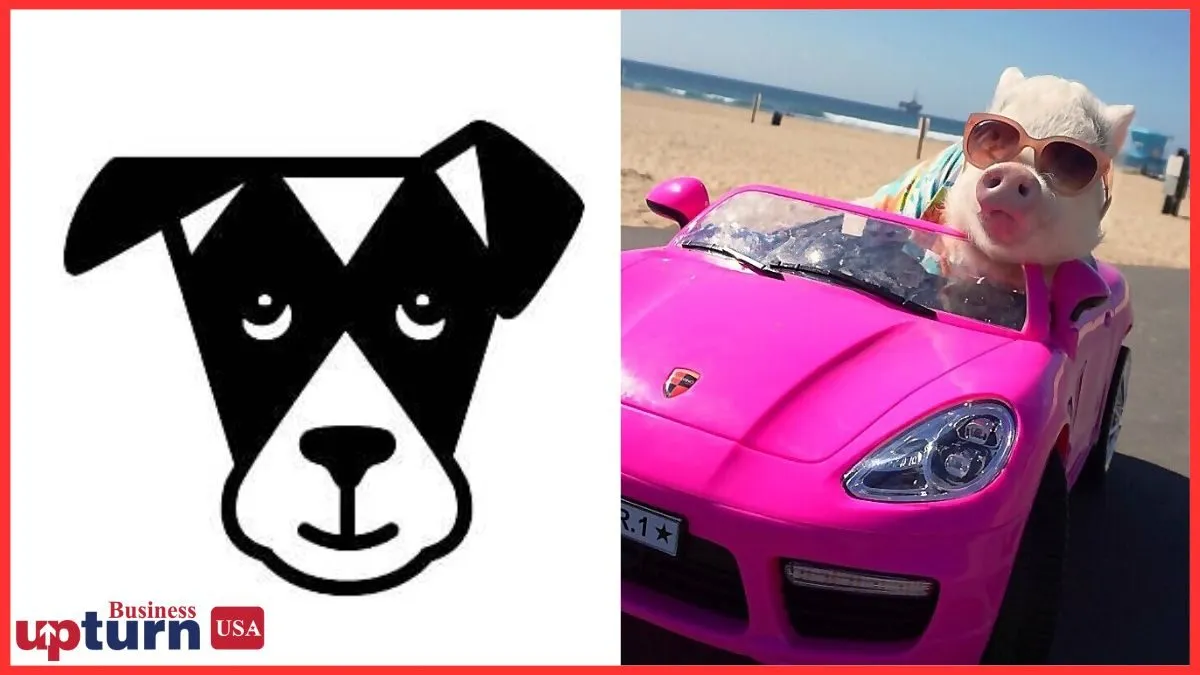
The U.S. pet influencer economy has exploded in the past decade, transforming adorable animals into marketing powerhouses. Among its brightest stars are The Dogist, a renowned dog photography brand and influencer platform, and Hamlet the Piggy, a beloved pig influencer who’s captured the hearts of millions. While their species and content styles differ dramatically, their income generation strategies reveal how diversified and sophisticated pet influencer businesses have become in the USA. This comparison of the Dogist business model and Hamlet pet influencer income streams offers a cheerful and detailed look at how two very different influencers monetise cuteness at scale.
Building distinct U.S. pet influencer brands
The Dogist began as a street photography passion project by Elias Weiss Friedman, whose signature portraits of dogs in urban environments quickly gained viral traction. By maintaining a clean, journalistic style, The Dogist established itself as both an artistic brand and a trusted voice in canine culture. This foundation—storytelling plus aesthetic excellence—paved the way for monetisation.
Hamlet the Piggy’s journey is rooted in lifestyle storytelling. Hamlet’s playful outfits and heartwarming appearances at therapy events position her as more than a novelty; she is an ambassador for animal welfare and positivity. Her brand appeals to families, lifestyle brands, and inclusivity-driven campaigns. Both influencers prove that personality and narrative consistency are crucial USA-centric differentiators in pet influencer monetisation.

Branded sponsorships: Tailored partnerships for USA markets
Branded sponsorships remain a core revenue stream for both influencers. The Dogist collaborates with premium pet food companies, camera equipment brands, and lifestyle labels seeking authentic canine engagement. These partnerships are carefully chosen to align with the Dogist’s journalistic image—maintaining trust with a U.S. audience that values authenticity.
Hamlet the Piggy’s sponsorships often span children’s brands, wellness products, and even travel companies looking for a cheerful, family-friendly mascot. By weaving sponsored content naturally into Hamlet’s playful adventures, her team ensures these partnerships feel organic. Both models show how targeting niche segments of the American market—whether urban dog lovers or family-focused consumers—maximises sponsorship value.
Affiliate marketing and e-commerce strategies
Beyond sponsorships, affiliate marketing plays a subtle yet profitable role. The Dogist uses affiliate links for pet accessories and photography equipment, leveraging its credibility to drive conversions. Fans trust recommendations from a platform known for professional-quality dog portraits, making affiliate commissions a steady stream.
Hamlet’s team integrates affiliate marketing through lifestyle products such as pet-friendly apparel and home décor. Her light-hearted content allows for creative product placements—turning simple props into shoppable moments. This approach reflects a broader trend in U.S. pet influencer revenue strategies, where affiliates supplement, rather than overshadow, primary income sources.
Merchandise and books: Turning fans into loyal customers
The Dogist expanded its brand with photo books featuring its iconic portraits and stories, which sell strongly across the United States. Merchandise like apparel, mugs, and prints further monetises its fanbase. The book tours double as community-building events, strengthening the emotional bond between the brand and its audience.
Hamlet the Piggy taps into merchandise with themed calendars, children’s storybooks, and plush toys. These products extend her playful persona beyond screens, transforming casual fans into invested supporters. Both brands understand that physical products turn fleeting online interactions into lasting brand relationships—a powerful revenue generator in the U.S. market.
Photography services and tours: Premium experiences
The Dogist capitalises on its roots by offering premium photography services, including commissioned pet portraits and branded campaigns. In U.S. cities where pet culture thrives—like New York, Los Angeles, and Austin—these services are both a revenue source and a brand enhancer.
Hamlet participates in appearances and meet-and-greet tours, often tied to charitable events or animal welfare campaigns. These appearances generate direct income while reinforcing her mission-driven brand. Such experiential offerings distinguish both influencers from competitors who rely solely on digital platforms.
Social media monetisation: Instagram, TikTok, and YouTube
Social media platforms provide consistent monetisation through ad revenue, sponsored reels, and branded takeovers. The Dogist’s high-quality Instagram reels and TikTok snippets attract millions of views, making platforms’ built-in monetisation tools a meaningful income stream. Their YouTube channel, though secondary, supports ad revenue and cross-promotion of other products.
Hamlet the Piggy’s TikTok presence leverages the platform’s algorithm to reach broad audiences. Viral videos often lead to increased sponsorship interest and merchandise sales. By diversifying platforms, both influencers insulate themselves against algorithm changes—an essential consideration in pet influencer monetisation USA.
Collaborations and unconventional partnerships
The Dogist has explored collaborations with animal shelters, leveraging its reach to promote adoption drives. These partnerships generate goodwill and open doors to sponsorships with corporate social responsibility initiatives. Collaborating with non-profits also positions The Dogist as a community leader rather than a purely commercial brand.
Hamlet’s collaborations often include wellness retreats, schools, and therapy programs—unusual but highly impactful partnerships that expand her audience and income streams. These collaborations showcase that revenue can flow from unexpected places when influencers embrace mission-driven opportunities.
Events and live activations: Building community through experience
Events are another pillar of both business models. The Dogist organises pop-up photo sessions, gallery exhibitions, and book signings across the United States. These events not only generate ticket and merchandise sales but also strengthen fan loyalty.
Hamlet attends fairs, charity galas, and brand-sponsored live shows. Her presence at community events builds grassroots connections and positions her as an accessible influencer. For both, events blur the line between content creation and experiential marketing—turning fandom into profitable, real-world engagement.
Community-building as a revenue driver
Community is a rarely discussed but critical piece of U.S. pet influencer revenue strategies. The Dogist fosters a community of dog lovers who feel personally connected to the stories behind each portrait. This community engagement makes fans more willing to purchase books, attend events, or subscribe to exclusive content.
Hamlet’s community-building comes through her uplifting storytelling. Many of her followers are drawn to her as a symbol of resilience and positivity, making them highly engaged consumers. By nurturing strong emotional connections, Hamlet’s team has created a loyal customer base that outlasts fleeting trends.
U.S.-specific marketing collaborations and brand positioning
The Dogist’s partnerships often emphasise American urban culture—featuring cityscapes, local brands, and nationwide pet food companies. This USA-centric positioning appeals to advertisers who want a distinctly American flavour in their campaigns.
Hamlet taps into Americana differently: through family values, rural imagery, and inclusive narratives that resonate with middle America. Her collaborations with U.S.-based wellness brands and children’s charities highlight her universal appeal while keeping her marketing firmly grounded in domestic culture.
The business resilience of diversified income streams
Both The Dogist and Hamlet demonstrate the importance of diversification. Relying on a single platform or sponsor would leave them vulnerable to algorithm changes or shifting trends. By balancing sponsorships, merchandise, events, and services, they’ve built stable and resilient businesses.
This diversified approach is especially crucial in the U.S., where the influencer economy is competitive and consumer behaviour evolves rapidly. Their models show that flexibility and foresight are as essential as charm and cuteness.
Lessons for aspiring U.S. pet influencers
The Dogist teaches aspiring influencers the power of high-quality content and consistent branding. Its polished photography and storytelling set a gold standard for professionalism in the pet influencer world. Meanwhile, Hamlet the Piggy illustrates how a unique personality and emotional connection can carve a profitable niche even in a crowded market.
Both prove that success comes from strategic planning: understanding audience demographics, selecting the right revenue streams, and staying true to the brand’s mission.
A surprising insight: Emotional equity as a business asset
Perhaps the most unexpected lesson from this The Dogist vs Hamlet comparison is the concept of emotional equity. Both brands have monetised not just their pets’ images but the feelings they evoke—joy, nostalgia, compassion, and hope. In an era where U.S. consumers crave authentic, heartwarming content, emotional equity has become as valuable as ad impressions or click-through rates.
By turning affection into revenue, The Dogist and Hamlet the Piggy remind us that in the pet influencer world, the most powerful business model isn’t just built on sponsorships or merchandise—it’s built on the emotional bonds between people and pets. That’s a uniquely American formula for success, and it’s why these two influencers continue to thrive in a crowded marketplace.
This article is intended solely for informational and editorial purposes. It does not constitute endorsement or promotion of any artificial intelligence technology. Business Upturn makes no representations or warranties regarding the accuracy, completeness, or reliability of the information provided.