

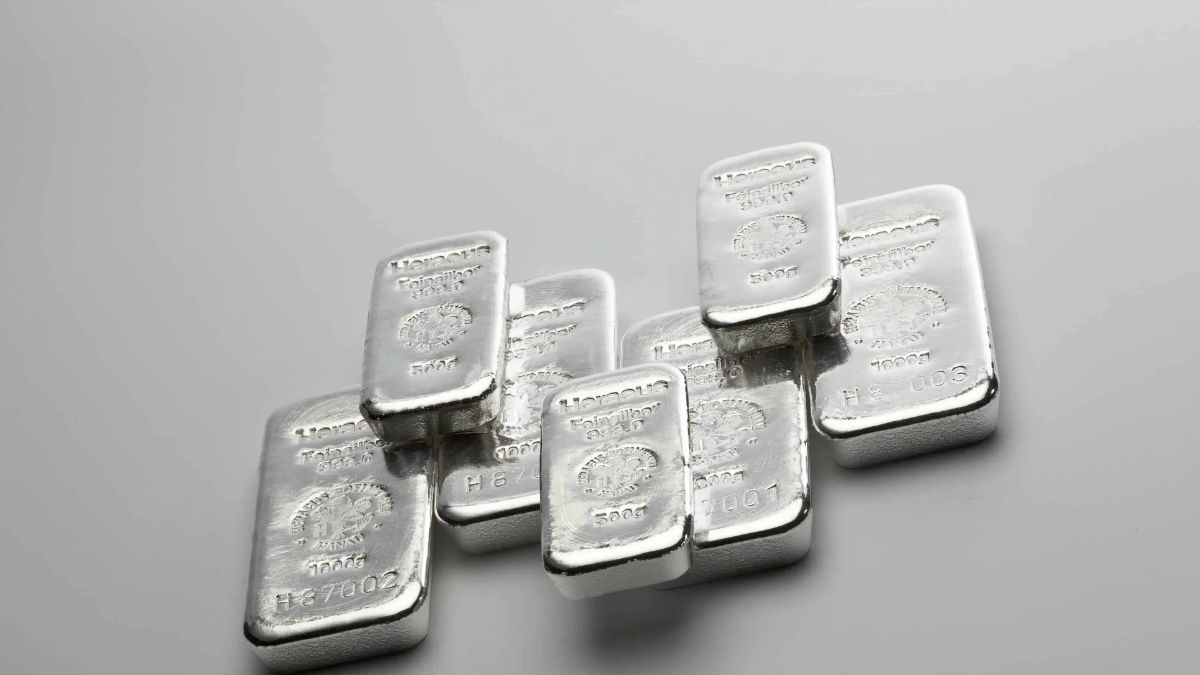
Spot silver prices plunged more than 8% on May 15, 2026, falling sharply to nearly $76.30 per ounce as investors rushed out of precious metals amid growing fears of higher US interest rates and persistent inflation pressures.
The sharp selloff marked one of the biggest single day declines in silver this year. The fall came as Treasury yields climbed, the US dollar strengthened, and markets reduced expectations for Federal Reserve rate cuts in 2026.
Silver prices tumble as inflation fears boost Fed rate hike expectations
Silver prices came under heavy pressure after stronger than expected US inflation data increased fears that the Federal Reserve could keep interest rates elevated for longer.
Markets have now largely priced out possible rate cuts for 2026, while some traders are even discussing the possibility of another rate hike later in the year. Higher interest rates usually hurt silver because the metal does not generate interest or yield, making bonds and fixed income assets more attractive to investors.
US Treasury yields surged to some of their highest levels in months, adding further downside pressure across the precious metals market. Analysts said rising yields and inflation concerns created a strong risk off environment for commodities.
Strong US dollar and profit booking accelerate silver selloff
The rebound in the US dollar also added major pressure on silver prices. Since silver is priced in dollars globally, a stronger US currency makes the metal more expensive for international buyers and often weakens demand.
Silver also tends to move more aggressively than gold because it has a dual role as both a safe haven metal and an industrial commodity used in solar panels, electronics, and manufacturing. When economic uncertainty rises, industrial demand expectations can quickly weaken and trigger larger price swings.
Market experts also pointed to heavy profit booking after silver’s historic rally earlier this year. Silver had surged above $120 per ounce during the peak rally in January before correcting sharply in recent months.
Some analysts believe futures market liquidations and leveraged selling may have intensified today’s sharp fall.
Silver still remains massively higher than last year despite correction
Despite the latest crash, silver prices are still dramatically higher compared to last year. Recent market data showed silver had gained more than 140% year over year before the latest correction.
Long term bullish sentiment around silver remains supported by strong industrial demand, especially from China’s solar sector and global clean energy expansion. Supply shortages in the silver market also continue to support long term price expectations.
Analysts expect silver prices to remain highly volatile in the short term as investors closely monitor US inflation data, Federal Reserve signals, Treasury yields, and movements in the US dollar.