

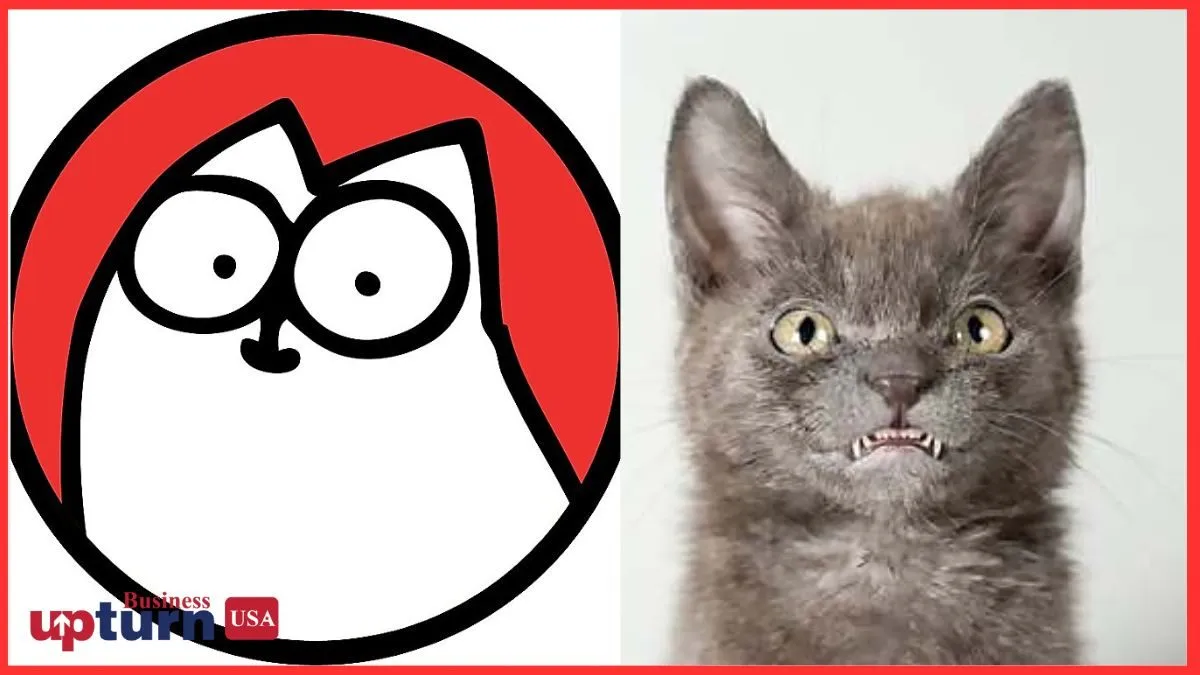
In today’s booming pet influencer economy, very few names stand out as distinctly as Simon’s Cat and Wolfie. Both have carved unique niches in the world of digital media, capturing the attention of millions of fans globally, with strong traction among U.S. audiences. While one is an animated feline with a whimsical take on everyday life, the other is a real-life charismatic dog whose charm radiates through every piece of content.
Yet beneath the laughs, likes, and shares lies something even more fascinating: their business models. Both Simon’s Cat and Wolfie have developed sophisticated income-generating strategies that go far beyond casual social media posting. From merchandise and licensing to brand collaborations and publishing, they represent two very different paths to monetization in the global pet influencer space.
This article takes a cheerful but analytical look at how Simon’s Cat and Wolfie generate income, comparing their monetization strategies, revenue streams, and U.S.-centric business impact.
How Simon’s Cat Built a Global Animation Empire Through U.S.-Friendly Digital Revenue
Simon’s Cat began as a simple animated sketch by illustrator Simon Tofield. What started on YouTube as a humorous depiction of feline antics has now blossomed into a global franchise, and a significant portion of its revenue comes from U.S. audiences who dominate YouTube viewership and merchandise purchases.
The backbone of Simon’s Cat’s business model is digital ad revenue. YouTube monetization remains one of the primary sources of income. With millions of subscribers and hundreds of millions of views, ad placements before, during, and after the videos create a steady income stream. Importantly, U.S. viewers typically attract higher CPM (cost per thousand impressions) rates than many other regions, meaning Simon’s Cat earns more per American view than from international audiences. This makes the U.S. a vital pillar in its revenue base.
But Simon’s Cat hasn’t stopped there. Recognizing the appetite of U.S. fans for collectible merchandise, the brand has built a thriving online store offering mugs, T-shirts, stationery, and plush toys. Seasonal collections and limited editions add a sense of exclusivity, ensuring fans don’t just watch—they buy. The merchandise arm is particularly strong because it ties into the American culture of gifting and fandom memorabilia, a lucrative market that many animated brands capitalize on.
Wolfie’s U.S. Market Success: Relatable Canine Content Meets Premium Branding
Wolfie, by contrast, is a real-world pet influencer—a dog who has captured hearts across Instagram, TikTok, and other social platforms with candid, relatable, and often humorous posts. His business model leans heavily into sponsorships and brand collaborations, especially with pet-related companies eager to target U.S. consumers who collectively spend billions annually on pet food, accessories, and lifestyle products.
The American pet market is uniquely receptive to influencers like Wolfie. U.S. dog owners view their pets as family members and are more likely to invest in premium products if recommended by trusted, relatable figures. Wolfie’s partnerships with pet food companies, grooming brands, and lifestyle businesses give him steady sponsorship revenue. Each sponsored post doesn’t just showcase a product—it’s woven into Wolfie’s authentic storytelling, making it appealing to U.S. audiences who crave both entertainment and recommendations they can trust.
Merchandise also plays a role in Wolfie’s model, though in a more lifestyle-oriented way. Apparel featuring Wolfie’s likeness, calendars, and even limited-edition dog accessories allow fans to integrate Wolfie into their daily lives. Unlike Simon’s Cat, where merchandise leans toward comic-inspired collectibles, Wolfie’s merch taps into the broader U.S. pet fashion market, where people happily buy coordinated pet-and-owner apparel.
Simon’s Cat and Licensing: A Goldmine in Publishing and Entertainment
Licensing is one of the most profitable long-term strategies for Simon’s Cat. Beyond YouTube ads and merchandise, the franchise has expanded into publishing deals and licensing agreements. Several Simon’s Cat books, calendars, and comic collections have been released in the U.S. market, appealing to both kids and adults who want a tangible slice of the animated world.
Additionally, licensing partnerships allow Simon’s Cat to appear on third-party products—everything from greeting cards to puzzles. These deals are particularly lucrative in the U.S., where licensed character merchandise is a multi-billion-dollar industry. Every licensing agreement not only generates income but also expands the visibility of the brand, ensuring Simon’s Cat stays relevant across generations.
Another hidden but powerful stream comes from entertainment syndication. Animated shorts have appeared on platforms like Netflix and streaming services that cater to U.S. audiences. With the rise of digital streaming, Simon’s Cat has cleverly leveraged licensing into new platforms, ensuring that U.S. households with children and animal lovers continue to engage with the brand.
Wolfie’s Sponsorship-First Approach and Lifestyle Partnerships
While Simon’s Cat monetizes largely through animation and licensing, Wolfie thrives on his image as a dog-next-door celebrity. Sponsorships remain Wolfie’s top income driver, and U.S. brands are particularly keen to work with him because pet influencers often outperform human influencers in engagement rates.
Wolfie’s partnerships are diverse—ranging from premium dog food to health supplements, grooming products, and even home décor that fits a “pet-friendly lifestyle.” For American brands, associating with Wolfie is not just about visibility; it’s about trust. Pet owners trust Wolfie’s content because it feels genuine, which in turn drives higher conversion rates for sponsored campaigns.

Wolfie also makes appearances at U.S. pet expos, charity events, and fan meetups, often monetizing through ticket sales, sponsored appearances, and promotional tie-ins. This physical presence adds a layer of authenticity that Simon’s Cat, as an animated character, cannot replicate. For U.S. fans, meeting Wolfie in person strengthens brand loyalty and generates revenue beyond digital screens.
U.S. Audience Behavior: Why Both Models Thrive Differently
What makes this comparison especially intriguing is how U.S. audiences engage differently with Simon’s Cat and Wolfie. American fans of Simon’s Cat gravitate toward collectible entertainment—books, merchandise, and animated shorts they can revisit repeatedly. The revenue here is more passive, driven by mass distribution, impulse buys, and online storefronts.
Wolfie’s U.S. audience, meanwhile, engages in a community-driven economy. They want to interact with Wolfie in real time, follow his daily adventures, and buy into the lifestyle he represents. This leads to higher engagement rates on platforms like TikTok and Instagram, which translate into stronger sponsorship deals. For U.S. pet-loving households, Wolfie feels like a member of their extended digital family.
Simon’s Cat vs Wolfie: Different Approaches to Longevity
When comparing their models for longevity, Simon’s Cat benefits from being evergreen content. The animated shorts are timeless, meaning they continue generating ad revenue years after release. U.S. publishing and licensing deals also lock in recurring revenue streams, making Simon’s Cat a durable intellectual property.
Wolfie, on the other hand, thrives on real-time relevance. His content depends on current trends, seasonal campaigns, and constant fan engagement. While this creates higher short-term earning potential, it requires ongoing adaptability to stay relevant. For U.S. audiences, this immediacy is highly appealing but may also require Wolfie’s brand to evolve faster than Simon’s Cat.
The Creative X-Factor: What U.S. Readers Should Consider
Here’s a thought-provoking angle: Simon’s Cat and Wolfie actually represent two different business archetypes in the U.S. pet influencer space. Simon’s Cat is essentially a media company disguised as a pet, while Wolfie is a celebrity persona in the body of a pet. One sells intellectual property; the other sells relatability.
For U.S. readers, this raises an unusual but insightful takeaway: pet influencer business models are not just about animals—they’re about audience psychology. Americans flock to Simon’s Cat because they want a stress-free escape in a neatly packaged, evergreen form. They flock to Wolfie because they want authenticity, relatability, and the warmth of real-life companionship, even if it’s digital.
Final Thoughts: Two Paths, One Massive U.S. Market
Simon’s Cat and Wolfie prove that there’s no single blueprint for pet influencer success. One thrives as a global animated franchise with long-term licensing and publishing power, while the other leverages real-life relatability and lifestyle partnerships for high engagement and immediate monetization.
For U.S. brands, both models are goldmines. Simon’s Cat provides evergreen visibility across publishing, merchandise, and streaming, while Wolfie offers dynamic, high-engagement pathways through sponsorships and lifestyle collaborations.
Ultimately, the secret sauce isn’t just about being cute or funny—it’s about understanding how U.S. audiences want to connect. Whether it’s through animated mischief or real-life canine charm, Simon’s Cat and Wolfie show that pet influencers can be both entertainers and powerful business entities in the American market.
This article is intended solely for informational and editorial purposes. It does not constitute endorsement or promotion of any artificial intelligence technology. Business Upturn makes no representations or warranties regarding the accuracy, completeness, or reliability of the information provided.