

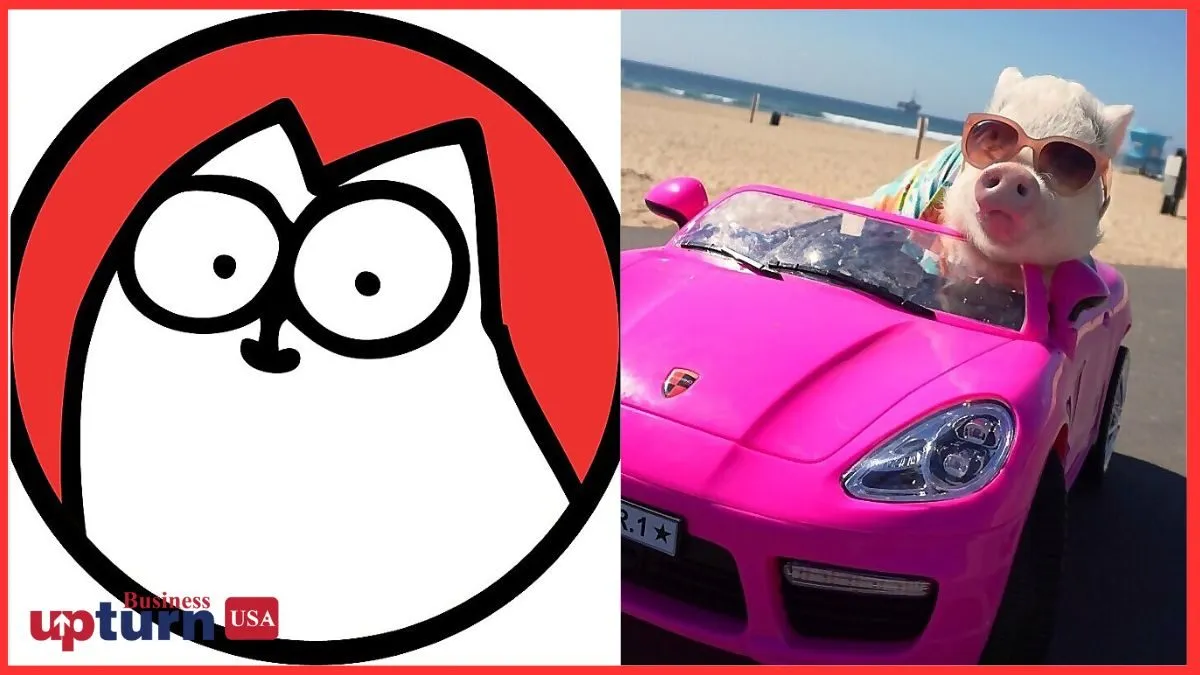
The rise of pet influencers has transformed social media landscapes in the United States, turning adorable cats, pigs, dogs, and other animals into bona fide brands. Among the most beloved in this arena are Simon’s Cat, a mischievous animated feline with global appeal, and Hamlet, the charming miniature pig influencer with a devoted following. Both have leveraged cuteness, humor, and relatability to build lucrative brands—but their business models are markedly different, reflecting unique approaches to monetization and revenue generation. In this article, we break down the intricacies of their income strategies and explore how these pet stars are redefining the U.S. pet influencer business model.
Understanding Simon’s Cat and Hamlet: Who They Are and Why They Matter
Simon’s Cat originated as a quirky animation series created by British artist Simon Tofield in 2008. Although the character is based on universal cat behavior, its influence has spread globally, including the U.S., with millions of followers across YouTube, Instagram, and merchandise platforms. The brand’s humor, accessibility, and timeless charm have created a wide demographic appeal, making it a prominent example of a successful pet influencer business model.
Hamlet, on the other hand, is a live-action miniature pig influencer known for his playful antics and photogenic personality. Hamlet’s presence on Instagram and TikTok has captured the hearts of U.S. audiences, particularly among families and millennials who enjoy animal content. Unlike Simon’s Cat, Hamlet is a real-life pet whose personal brand relies on authenticity, lifestyle integration, and a strong social media presence.
These two influencers highlight different paths in the U.S. market: one through animation and intellectual property, and the other through real-life charm and direct social engagement.
Simon’s Cat Revenue Streams: Animation Meets Global Licensing
Simon’s Cat has cultivated a multi-faceted revenue model that leverages intellectual property (IP) in numerous ways. Its primary income sources in the U.S. market include:
YouTube Monetization and Digital Content
One of the most consistent sources of income for Simon’s Cat comes from YouTube ad revenue. With millions of subscribers in the U.S., every video released generates earnings through ads, channel memberships, and super chats during live streams. This revenue stream is scalable and predictable, providing a foundation for broader monetization strategies.
Additionally, Simon’s Cat has expanded into digital products like mobile apps and downloadable games. These products not only provide direct sales revenue but also enhance brand loyalty and cross-promotional opportunities.
Merchandise and Licensing
Merchandise sales represent a significant portion of Simon’s Cat revenue streams in the U.S. market. From apparel and stationery to plush toys and home décor, the brand has successfully capitalized on its distinct aesthetic and humor. Licensing deals with retailers and product manufacturers amplify revenue through royalties, allowing Simon’s Cat to profit without bearing full production and distribution costs.
Books and Publications
Simon’s Cat books—comic collections and illustrated guides—serve as both revenue generators and brand-building tools. They cater to a U.S. audience seeking physical collectibles, helping diversify income while strengthening the influencer’s IP value. Book royalties provide a steady, passive income stream alongside merchandise and digital sales.
Brand Collaborations and Sponsorships
Strategic partnerships with pet and lifestyle brands in the U.S. provide Simon’s Cat with sponsorship opportunities. While the brand maintains a subtle advertising approach to preserve its charm, collaborations with pet food, pet toy, and lifestyle companies create lucrative campaigns. Sponsored content and co-branded products further expand revenue streams while enhancing market visibility.
Hamlet Pig Influencer Income: Real-Life Charm and Social Engagement
Unlike Simon’s Cat, Hamlet monetizes primarily through his real-life presence and social media engagement. The revenue model is tailored around his Instagram and TikTok dominance, where authentic personality and lifestyle integration drive income.
Sponsored Posts and Influencer Campaigns
Hamlet’s primary income source in the U.S. market comes from sponsored content. Brands pay a premium for posts featuring Hamlet, leveraging his relatability and the high engagement rates of pet content. This can include pet food, grooming products, lifestyle brands, or even tech and entertainment tie-ins. Each sponsored post represents a direct monetization opportunity tied to social influence.
Merchandise and Custom Products
Hamlet has ventured into branded merchandise, ranging from clothing to custom pig-themed accessories. While smaller in scale compared to Simon’s Cat, these products serve as an extension of the influencer’s personality and lifestyle brand, driving both revenue and fan engagement. Direct-to-consumer e-commerce platforms allow Hamlet’s team to retain higher margins on sales.
Appearances and Media Features
Hamlet occasionally participates in media appearances, live events, and television spots in the U.S., providing supplementary income. While less frequent than digital revenue, appearances strengthen brand visibility and credibility, creating additional monetization pathways.

Affiliate Marketing and Social Commerce
Social commerce and affiliate marketing have become important revenue streams for Hamlet. By promoting products in captions, stories, or TikTok videos with embedded shopping links, Hamlet can earn commissions on sales while maintaining authentic content. This approach reflects an emerging trend in the U.S. influencer economy where pet influencers double as micro-entrepreneurs.
Comparing Business Models: Key Differences and Similarities
While both Simon’s Cat and Hamlet operate in the U.S. pet influencer market, their business models differ fundamentally:
Intellectual Property vs. Real-Life Persona
Simon’s Cat relies on intellectual property as its core asset. The animated cat can be reproduced, licensed, and monetized across multiple platforms without physical constraints. Hamlet, by contrast, is a living animal whose value is tied to personality, lifestyle, and social engagement. This makes Hamlet’s revenue model more tied to day-to-day activity and audience interaction.
Diversified Revenue Streams vs. Social-Focused Monetization
Simon’s Cat benefits from highly diversified revenue streams, including merchandise, licensing, books, apps, and sponsorships. Hamlet focuses heavily on social media monetization, including sponsored posts, affiliate marketing, and selective merchandise. While both models are profitable, Simon’s Cat exhibits more stability and passive income potential due to IP leverage, whereas Hamlet’s income is more dynamic and tied to engagement metrics.
Audience Engagement Strategies
Both brands emphasize audience engagement but in different ways. Simon’s Cat relies on universal humor and storylines to attract repeat viewership, while Hamlet thrives on authentic interactions and lifestyle content, appealing to the emotional bond audiences form with real animals.
Unique Insights into Untapped Revenue Potential
Exploring beyond conventional income channels, both pet influencers have opportunities to expand their U.S. revenue models:
Simon’s Cat
The brand could capitalize further on digital experiences such as interactive web comics, VR/AR cat adventures, or subscription-based exclusive content. Collaborations with U.S.-based streaming platforms or animation studios could also unlock new revenue streams.
Hamlet
Hamlet could leverage experiential marketing, such as pop-up events, interactive fan experiences, or virtual meet-and-greets. Additionally, branded partnerships with pet tech companies (e.g., smart feeders or wearable devices) could create high-margin revenue opportunities, complementing existing social commerce strategies.
The Psychology Behind U.S. Pet Influencer Monetization
Both Simon’s Cat and Hamlet excel because they understand audience psychology in the U.S. market. Simon’s Cat appeals to nostalgia, humor, and collectibility, making audiences willing to purchase merchandise and digital content. Hamlet taps into the emotional bond between humans and animals, driving engagement and willingness to buy endorsed products. By aligning monetization strategies with audience behavior, both influencers maximize their income potential.
Lessons from Simon’s Cat and Hamlet for Aspiring Pet Influencers
- Leverage IP and Personality: Simon’s Cat demonstrates the power of creating a replicable, marketable brand. Hamlet shows that real-life authenticity can be equally profitable if combined with strategic social media engagement.
- Diversify Revenue Streams: Both influencers underscore the importance of multiple monetization channels. Relying solely on social media can be risky; combining merchandise, sponsorships, and digital products enhances financial stability.
- Understand U.S. Market Dynamics: Tailoring content and products to U.S. audiences—such as humor preferences, lifestyle trends, and consumer behavior—can dramatically impact revenue potential.
Conclusion: Who Wins the U.S. Pet Influencer Business Model Battle?
While it’s impossible to declare a clear winner, the comparison highlights the brilliance of contrasting approaches. Simon’s Cat’s IP-driven model offers passive, scalable revenue streams ideal for long-term stability, while Hamlet’s authentic social media presence captures dynamic, high-engagement income opportunities. Together, they showcase the full spectrum of how pet influencer business models can thrive in the U.S., demonstrating that whether through animated antics or miniature pig charm, the pet influencer economy is brimming with innovative income possibilities.
Ultimately, both Simon’s Cat and Hamlet teach aspiring pet entrepreneurs that creativity, authenticity, and strategic monetization are the keys to success in the U.S. pet influencer market. What might surprise most readers is that combining IP leverage with real-life engagement could be the next frontier, creating hybrid pet influencer models capable of redefining income in the digital age.
This article is intended solely for informational and editorial purposes. It does not constitute endorsement or promotion of any artificial intelligence technology. Business Upturn makes no representations or warranties regarding the accuracy, completeness, or reliability of the information provided.