

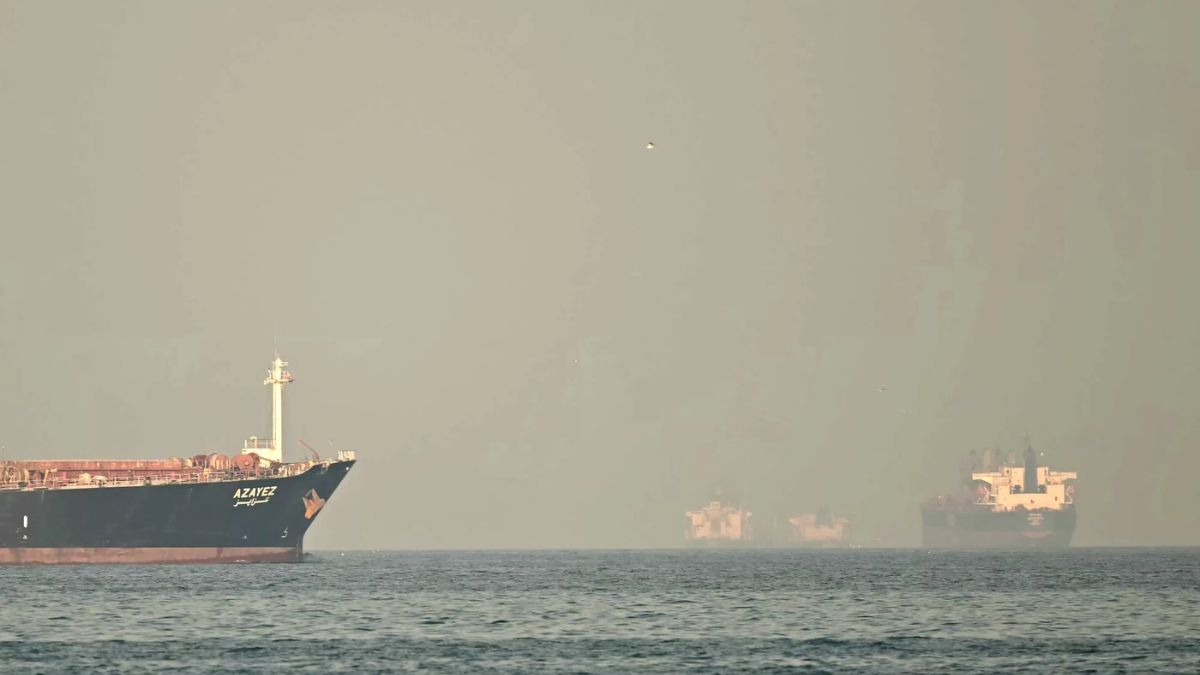
Two Qatari liquefied natural gas tankers carrying cargoes bound for overseas markets were forced to turn back before crossing the Strait of Hormuz on Monday. The Al Daayen and the Rasheeda had headed toward the narrow waterway in the Persian Gulf after loading LNG from Qatar’s Ras Laffan export plant in late February, just as the war between the U.S., Israel, and Iran escalated.
Ship‑tracking data showed the vessels reversed course near the strait’s entrance close to Oman. Had they made it through, it would have marked the first loaded LNG shipments to transit Hormuz since the conflict began, a key milestone disrupted by continued instability.
The turnbacks underline how Iran’s effective blockade and strict control over Hormuz are still dictating regional shipping patterns, even amid reported diplomacy and ceasefire discussions involving Pakistan and other mediators.
Why this matters for global LNG and energy markets
Qatar is one of the world’s largest exporters of LNG, and prior to the war about 20 % of global liquefied gas trade moved through the Strait of Hormuz. Much of that fuel heads to Asian markets like China, India, and South Korea.
Because the Strait is one of the world’s most critical energy chokepoints, disruptions in shipping there don’t just delay tankers, they create tighter global supply conditions that can push energy prices higher and strain importers far beyond the Middle East.
In recent weeks, Iranian attacks and retaliatory threats have also worsened Qatar’s export situation by damaging export infrastructure and forcing maintenance outages that analysts estimate could sideline significant volumes of Qatar’s LNG production for years, delaying exports of millions of tons annually.
Partial shipping exceptions and uncertain permissions
Earlier in the conflict, Iran allowed a small number of vessels, such as a Japanese empty LNG tanker, to pass through Hormuz, and ships from countries deemed “friendly” to Tehran were permitted under some arrangements.
However, Qatari tankers hauling cargo have not been allowed to complete transit, signaling that Iran is limiting energy shipments based on geopolitical considerations rather than purely commercial ones. Middle Eastern markets and investors reacted with caution on Monday, with Gulf equities ending mixed as traders awaited clarity on diplomatic talks and threats related to the strait.
Diplomats, including Pakistan’s leadership, have been promoting ceasefire frameworks aimed at ending hostilities and potentially reopening the strait. But as of now, Iran has not agreed to temporary or interim reopening conditions tied to peace proposals.
Impact on global trade and prices
The aborted transit attempts don’t just affect energy producers and importers. Continued closures or restrictions in Hormuz ripple through shipping, global LNG pricing, industrial supply chains, and fuel markets. With the war now in its sixth week, disruptions have contributed to spike in energy costs worldwide.
Even nations that can export oil or gas via alternative routes face logistical costs and longer voyage times that feed into higher consumer prices. Analysts warn that protracted restrictions could add sustained pressure on international energy markets unless diplomatic negotiations succeed in easing or ending the blockade.