

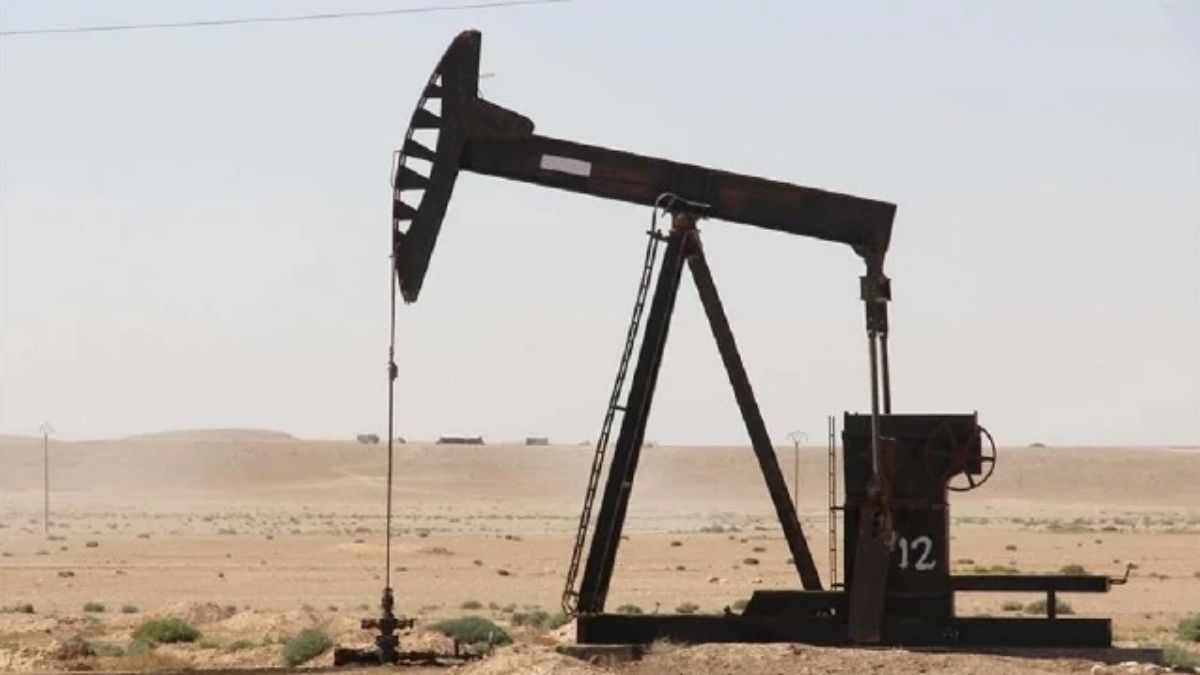
Oil markets moved sharply higher after fresh security concerns emerged from the Middle East. Prices reacted almost instantly after a warning from the United Arab Emirates about a possible missile threat, raising fears of disruption in a region that plays a key role in global energy supply.
According to early market updates, US crude oil climbed by about $1 per barrel, while Brent crude surged nearly $4 per barrel. The difference in the jump reflects how global benchmarks react more strongly to geopolitical risks, especially when the threat is close to major oil transit routes.
Oil futures surge after UAE missile threat warning
The spike in oil futures shows how sensitive the market is to geopolitical tension. Even a warning, without confirmed damage or attack, can push prices higher within minutes. Traders tend to react quickly in such situations, pricing in the risk of supply disruption before it actually happens.
The UAE’s alert about a missile threat has added to existing concerns in the region. With multiple recent incidents involving vessels and rising tensions near key shipping lanes, markets are already on edge. This latest development has only increased that nervousness, leading to aggressive buying in oil futures.
Brent crude and US oil prices react to Middle East tensions
The stronger jump in Brent crude highlights its global exposure. Since Brent is the main benchmark for international oil prices, it is more directly impacted by risks in the Middle East compared to US crude.
Any potential threat in this region raises concerns about supply flow through critical routes like the Strait of Hormuz, where a significant portion of the world’s oil passes daily. Even the possibility of disruption can lead to price spikes, as buyers rush to secure supply and hedge against uncertainty.
Global energy market outlook amid rising risks
This sudden move in oil prices reflects a broader trend. Markets are becoming increasingly reactive to geopolitical headlines, especially those linked to energy infrastructure and transport routes.
If tensions continue or escalate further, oil prices could remain volatile in the short term. On the other hand, if the situation stabilizes and no actual disruption occurs, prices may pull back just as quickly.
For now, the focus remains on real-time developments in the region. Traders, governments, and energy companies are all watching closely, knowing that even a small escalation can have a big impact on global supply and pricing.