

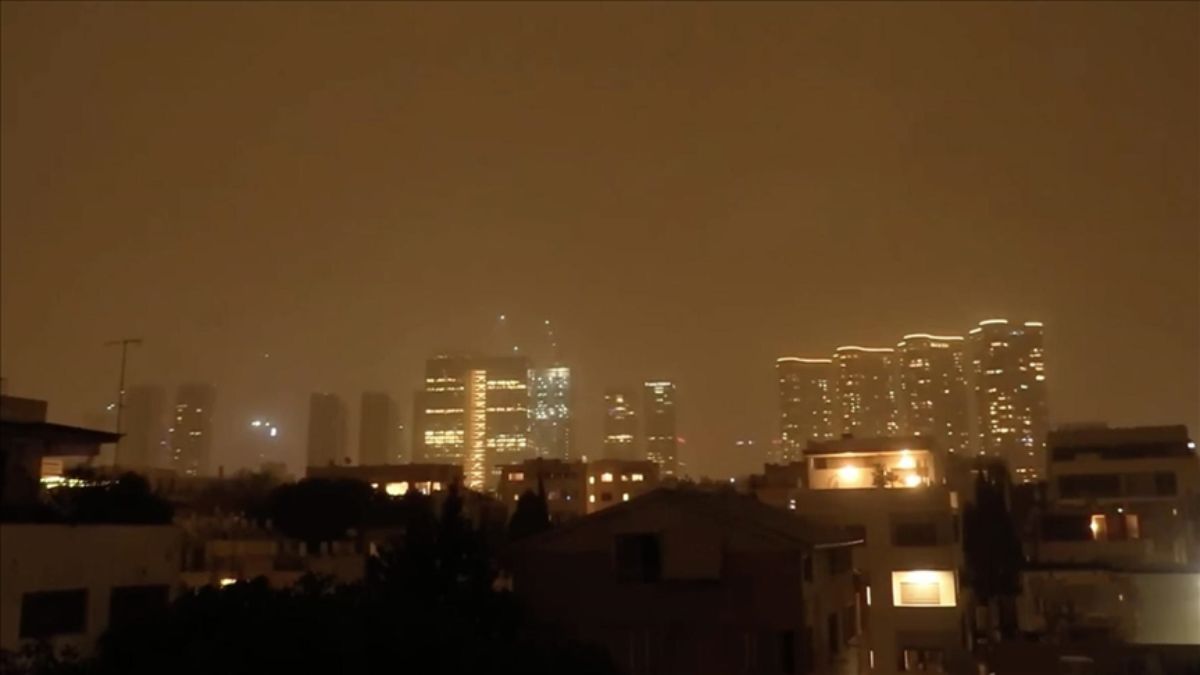
Tension has sharply increased in northern Israel after multiple rockets were launched from southern Lebanon, triggering emergency sirens across several border towns. The alerts forced residents to immediately leave their daily routines and rush into bomb shelters, highlighting how fragile the situation has become in the region. The sound of sirens is no longer rare here, but each new wave of attacks adds to fear and uncertainty among civilians.
Rockets from southern Lebanon trigger fresh panic
According to early reports, several rockets were fired toward northern Israel, with air defense systems intercepting a number of them mid air. Some projectiles, however, managed to land in open areas, while at least one reportedly struck near residential zones, raising concerns about potential casualties and property damage. Even when rockets do not directly hit populated areas, the psychological impact on residents is severe, as families are forced to stay close to shelters at all times.
The Israeli military responded quickly after the launches, targeting suspected launch sites in southern Lebanon. Such retaliatory strikes have now become a pattern, with both sides engaging in rapid exchanges that leave little room for de escalation. Each response increases the chances of a wider conflict, making the border one of the most sensitive flashpoints in the region right now.
Israel-Lebanon tensions continue to rise
This latest incident is part of a broader escalation that has been building over the past few weeks. Rocket fire from southern Lebanon has become more frequent, with armed group Hezbollah believed to be behind many of these attacks. The group has linked its actions to ongoing regional conflicts, especially those involving Iran, which has further complicated the situation.
On the other side, Israel has continued its military operations inside Lebanon, targeting what it describes as militant infrastructure. These strikes have caused damage and displacement, adding to the humanitarian concerns in the region. The cycle of attack and response is becoming more intense, with neither side showing clear signs of stepping back.
Situation remains volatile near Israel Lebanon border
The current situation remains highly unstable, with the risk of further escalation hanging over the region. While there have been occasional talks about possible negotiations, ground realities suggest that tensions are far from easing. Civilians on both sides of the border are paying the price, living under constant threat of sudden attacks.
For now, northern Israel remains on high alert, with authorities urging people to stay prepared for more sirens and possible rocket fire. The coming days will be critical in deciding whether this remains a contained conflict or grows into something much larger.